Three Key Components for Maintaining Health

The emerging field of epigenetics shows that the length of our active and fulfilling lives largely depends on ourselves. Lifestyle choices, including diet, physical activity, sleep patterns, and stress levels, can exert a much stronger influence than our genetic makeup: our genetic code can be “activated” or “deactivated” through habits and daily actions. “Daily choices have a profound impact on the aging process—at the biochemical, structural, and neurological levels,” notes Jeffrey Bland, MD, co-founder of the Institute for Functional Medicine.
Article Contents:
Take control of inflammation
What do we mean by inflammation? Typically, it’s redness of the skin at the site of a bite or swelling after a bruise—sure signs of an acute reaction in the body. This inflammatory response plays a key role in tissue healing. “Without this defense mechanism, even a minor injury, like a paper cut, could be fatal,” says Robert Rountree, chief medical officer at Boulder Wellcare in Colorado. Inflammation is a powerful tool of the immune system, promoting recovery from injury, muscle growth, and maintaining energy balance. However, it is only beneficial within reasonable limits. “If inflammation becomes chronic, it destroys healthy tissue and organs,” explains Professor Charles Reason of the University of Wisconsin Medical School.
Chronic inflammation can be likened to a slow simmer: the body gradually wears down, cells become damaged, and repair processes are disrupted. Over time, this leads to serious conditions such as heart disease, type 2 diabetes, and dementia.
Inflammation triggers the formation of free radicals—molecules with one or more unpaired electrons. Seeking the missing electron, they damage healthy cells, triggering a cascade of destructive reactions that generate new free radicals. This avalanche-like damage can lead to tissue destruction and the development of various free radical-related diseases, about which science is learning more every year.
While we easily notice acute inflammation—for example, redness at the site of a bite—identifying the underlying, irreversible oxidative processes that undermine the immune system and destroy tissue is much more difficult.
“Unfortunately, the brain is not equipped with pain receptors that would signal internal damage as clearly as the skin reacts to a mosquito bite,” says David Perlmutter, MD, author of Brain Maker. “Measurements of inflammatory markers in the brains of patients with Parkinson’s, Alzheimer’s, and multiple sclerosis show that these markers are consistent with the inflammatory processes that occur in arthritis.”
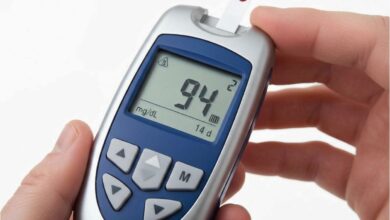
- What should I do? To assess inflammation, a blood test for high-sensitivity C-reactive protein (hsCRP) can be done. Elevated levels of this indicator indicate that lifestyle choices contribute to the development of chronic inflammation. Localized problems, such as gum disease or dysbiosis, are often just the tip of the inflammatory iceberg.
- Diet and Lifestyle Including antioxidant-rich foods in your diet—berries, greens, nuts, and fish oil—helps reduce inflammation. Limiting processed foods, sugar, and saturated fats also helps reduce inflammation. Regular physical activity, adequate sleep, and stress management are equally important for controlling inflammation.
- Probiotics and Prebiotics. Maintaining gut health by taking probiotics and consuming foods with prebiotics (such as garlic, onions, bananas, and whole grains) helps restore the balance of microflora and reduce the immune system’s inflammatory response.
- Abandoning Bad Habits. Smoking and excessive alcohol consumption increase inflammation and oxidative stress. Avoiding these habits significantly improves health and helps reduce hsCRP.
The most effective and simple method for reducing hsCRP—the main indicator of inflammation and biological aging—is by taking care of your gut health. After all, up to 70% of immune cells are located there, and an imbalance in microflora stimulates the immune system, causing an increase in C-reactive protein in the liver.
Maintain the harmony of your gut microbiome
“Genes do play an important role in our health,” says Perlmutter. “But more importantly, 99% of the DNA and genes that exist in our body belong to the gut microbiome, not to us. It is this microbiota that has a major impact on the aging process.” The total genome of the microbiome is 1,000 times larger than the human genome.
“Gut microorganisms are involved in cellular nutrition, regulate carbohydrate and fat metabolism, help absorb vitamins, and influence the production of neurotransmitters such as serotonin,” explains Mikhail Gavrilov, a psychotherapist and medical doctor who developed a unique method for correcting eating behavior and weight loss. “Overweight people and those prone to relapses have a predominance of opportunistic bacteria strains, which interfere with metabolism and poison the body with their own toxins.” Changes in the microbiota can trigger obesity, type 2 diabetes, depression, and autoimmune diseases. “Microbiota imbalances are associated with the development of age-related diseases such as Alzheimer’s and Parkinson’s,” adds Perlmutter.
A long-term study of over 300 people, published in Nature, found that the microbiome of overweight and obese patients is characterized by reduced diversity. “An imbalanced gut flora leads to increased cravings for sweets and fatty foods, increases appetite, and slows metabolism,” explains Raphael Kellman, founder of the Kellman Centre for Functional and Integrative Medicine.
Research published in the Journal of Neuroinflammation in 2015 also confirmed that chronic intestinal inflammation slows the formation of new cells in the hippocampus, a part of the brain responsible for cognitive function and mood regulation.
Furthermore, bacteria are important for maintaining the integrity of the intestinal lining. Poor diet, stress, toxins, and infections damage the lining, leading to the leakage of inflammatory substances into other organs and causing serious disruptions and diseases that contribute to premature aging.
- What to do? Monitor symptoms of microbiome imbalance—diarrhea, constipation, abdominal pain and bloating, chronic joint pain, and headaches. If these occur, consult a doctor. You can also take the “Microbiota Genetics” test, which will determine not only the types of bacteria but also their proportions. Modern analyses allow us to compare the composition of the microflora with typical indicators for atherosclerosis, diabetes, Crohn’s disease, ulcerative colitis, and obesity. The most accessible and effective method for restoring the microbiome is diet. Many specialists recommend an elimination diet at the first sign of problems.
Eliminating allergenic foods is often the key to reducing inflammation and normalizing the microbiome. To further support the flora, Perlmutter recommends including probiotics in the diet—yogurt, kefir, kimchi, sauerkraut—as well as prebiotics, which serve as a breeding ground for beneficial bacteria.
Maintain social connections
Communication and social activity are among the most important factors influencing life expectancy. “It’s about belonging to a community and having hobbies,” explains Nortin Hadler, a professor of immunology at the University of North Carolina at Chapel Hill. “Social interactions and a supportive community can sometimes play an even more significant role in healing than medications and medical procedures.” A 2014 study from the University of Chicago found that loneliness increases the risk of premature death by 14%.
Another study found that strong social and emotional connections help reduce biochemical levels of stress and inflammation, boost immunity, maintain hormonal balance, and even influence gene activity.
In his best-selling book, “Blue Zones: 9 Longevity Tips from the Longest-Living People,” Dan Buettner emphasizes that a sense of connection with loved ones is one of the key factors for longevity. “Long-living people in the Blue Zones always put family at the center of their lives,” says Buettner. “Their lives were built on strong family ties, raising children, observing traditions, and spiritual closeness. This is especially noticeable in Sardinia, where family values remain steadfast.”
- What to do? Make time in your hectic schedule for real human interaction and strong relationships. Review your monthly plan: does it include events, gatherings with friends, or volunteer work? If not, rethink your priorities! Real-life connection creates a powerful sense of belonging, which is critical for psychological and physical well-being. “Create family rituals,” advises Buettner. “Eating together every day should become a sacred tradition. Organize regular get-togethers with family members—for example, dinner at Grandma’s on Tuesdays. Put family first, value your time and attention, and give it to your children, spouse, and parents. Play with your children, cherish your marriage, and honor your parents.”