11 Essential Supplements You Should Start Taking Today

When choosing supplements, consider your age and the recommendations of leading medical experts specializing in women’s health.
Article Contents:
For women aged 30 and older
Calcium. Starting at age 30, changes in bone health begin, and this is a signal to consider ensuring an adequate intake of calcium. As Mary Jane Minkin, MD, and professor of obstetrics and gynecology at Yale School of Medicine, notes, “monitoring calcium levels helps maintain bone strength and also helps alleviate menstrual cramps by regulating muscle contractions.” For women aged 30 to 40, it is recommended to consume about 1,000 mg of calcium per day from food and supplements, and after age 50, to increase the dose to 1,200–1,500 mg. Minkin recommends calcium carbonate—an effective and safe form of the mineral—for supplementation.
For better calcium absorption, adequate intake of vitamin D is necessary, as it aids in the mineral’s absorption in the intestines. Sources of vitamin D include sunlight, fatty fish, eggs, and fortified foods. If vitamin D levels are low, doctors recommend taking appropriate supplements.
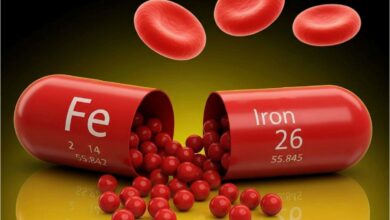
Iron. According to Roberta Ann Lee, MD, associate chief of the Division of Integrative Medicine at Beth Israel Medical Center (New York), “if you often feel irritable toward the end of your menstrual cycle, it’s worth taking 200 mg of iron to help you relax.” Many women experience iron deficiency as they age due to dietary deficiencies and significant blood loss during menstruation. Be sure to consult your doctor to check your iron levels. If your levels are low, it is recommended to take approximately 18 mg of iron daily to maintain energy throughout the day.
For better iron absorption, combine iron-rich foods with vitamin C—for example, eat meat with vegetables and berries. Avoid drinking coffee or tea immediately after meals, as they reduce the absorption of this mineral.
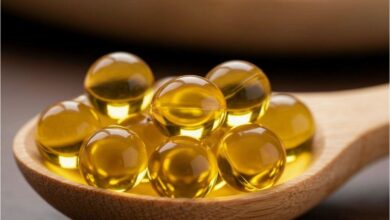
Omega-3. Omega-3 fatty acids, found in fatty fish such as salmon, sardines, and mackerel, have a beneficial effect on women’s health. Roberta Lee emphasizes that taking omega-3 after age 30 helps reduce PMS symptoms and the intensity of menstrual cramps, and also plays an important role in a child’s brain development during pregnancy and in reducing the risk of postpartum depression.
In addition to fish, omega-3s are found in flaxseeds, chia seeds, and walnuts—healthy plant sources of fatty acids that are especially important for women who follow a vegetarian or vegan diet.
Eleuthero and licorice. Stress at work and household responsibilities often lead to fatigue. Naturopathic physician Sheila Kingsbury of Bastyr University recommends using these two adaptogenic herbs to improve stress resilience and combat fatigue without overstimulation. “I advise my patients to take eleuthero and licorice tinctures in the morning and midday,” she notes. Look for liquid forms of these herbs at the pharmacy and take one teaspoon of each tincture, diluted with a small amount of water.
It is important to remember that licorice can raise blood pressure with long-term use and in people with hypertension. Therefore, it is recommended to consult a doctor before starting to use adaptogens.
For women over 40
Probiotics. Roberta Lee emphasizes that probiotics are especially important for women entering menopause. Since estrogen is partially broken down in the gut, maintaining a healthy gut flora with probiotics helps alleviate hot flash symptoms and reduce night sweats. It is recommended to take supplements containing at least 10 billion colony-forming bacteria daily.
Flaxseed. As we age, digestive issues become more common: bloating, constipation, and discomfort. A high-fiber food like flaxseed can help regulate gastrointestinal function. Add 2 tablespoons of freshly ground flaxseed daily to your morning oatmeal or low-fat yogurt to improve digestion.
Vitamin B12. Fatigue is a common companion for women over 40. The constant demands of work, caring for a family, and hormonal changes often prevent them from getting proper rest. Maintaining optimal B12 levels is vital for emotional balance, but the body’s ability to absorb the vitamin decreases with age. The main sources are meat, eggs, and dairy products, but because these are often limited in the diet, doctors recommend taking up to 200 mcg of vitamin B12 daily to maintain energy throughout the day.
For women over 50
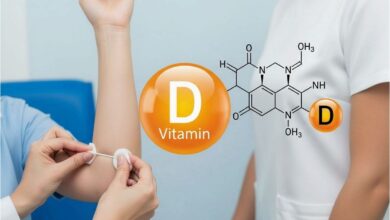
Vitamin D. Age-related changes often lead to vitamin D deficiency, especially in regions with cold climates. Mashel Seibel, MD, and professor at the University of Massachusetts Medical School, warns that a lack of this vitamin can cause decreased bone density, mood swings, joint pain, and increase the risk of certain types of cancer.
It is important for women over 50 to have their blood vitamin D levels checked and, depending on the results, take 1,000 to 2,000 IU daily—which is significantly higher than the standard recommended amount. If necessary, a doctor may recommend an even higher dosage.
Hawthorn. About 60% of women aged 55 and older struggle with high blood pressure. In addition to a healthy lifestyle, Kingsbury recommends incorporating hawthorn extract into your diet: “This natural ingredient helps reduce inflammation, lowers blood pressure, and prevents blood clots.”
Zinc. Hair thinning is often linked to zinc deficiency, which is common in women over 50. Doctors recommend a daily intake of 15 to 30 mg of this mineral. In addition to its benefits for hair, zinc strengthens the immune system and helps preserve vision as you age.
Risks and contraindications associated with taking dietary supplements
Consult your doctor before starting any dietary supplement, especially if you are taking medications or have chronic health conditions. Some supplements can interact with medications, reducing their effectiveness or increasing side effects.
An overdose of vitamins and minerals can lead to toxic reactions. For example, excessive amounts of vitamin A can cause headaches, nausea, and liver damage, while an excess of iron can lead to gastrointestinal problems and cardiovascular issues. Follow the recommended dosages and take into account the nutrient content of your diet.
Allergic reactions may occur when taking supplements containing plant extracts or ingredients derived from dairy or fish. If you have a known sensitivity to bee products, fish, nuts, or soy, be sure to check the ingredients list.
Pregnant and breastfeeding women should avoid certain supplements, such as St. John’s wort and ginseng, which may affect hormonal balance and fetal health. Only age-appropriate specialized formulations are suitable for children.
If you have chronic conditions such as hypothyroidism, diabetes, or kidney disease, taking supplements requires strict monitoring. Some ingredients may exacerbate symptoms or affect blood test results.
Never combine several similar supplements without consulting a healthcare professional to avoid double exposure to certain substances and the risk of overdose. Read the instructions carefully and pay attention to quality marks and product certifications.