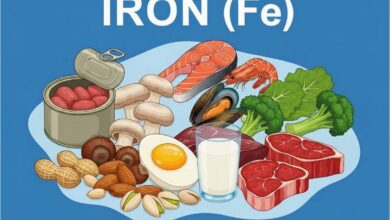
Top Powdered Supplements for a Healthy Diet
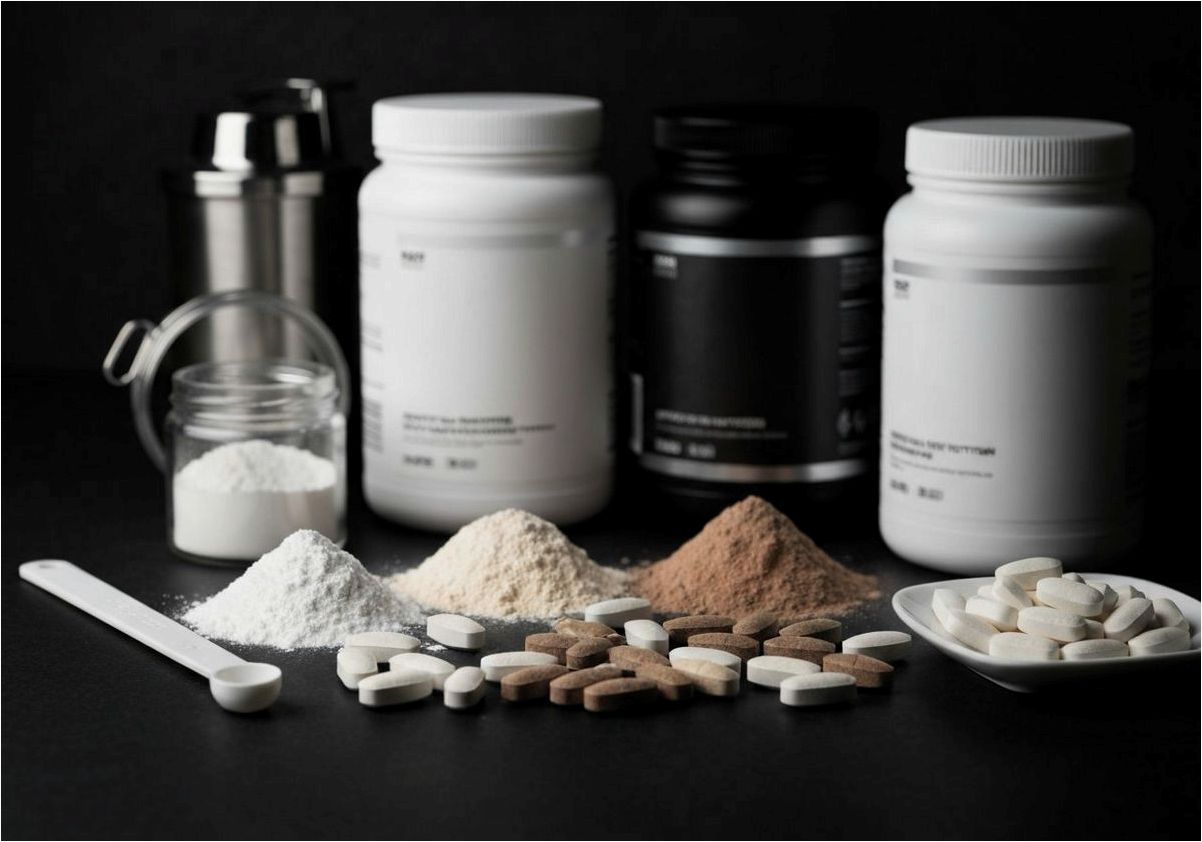
Supplements made from plant-based ingredients, vegetables, and seaweed are rapidly gaining popularity and becoming a worthy alternative to traditional protein powders. Whether they contain unique micronutrients or provide an extra boost of vitamins, more and more people are choosing these products, trusting in their benefits and effectiveness.
Article contents:
Manufacturers claim that the latest powdered supplements are a powerful tool for maintaining beauty and prolonging youth. However, not all modern blends actually deliver the promised results. “The benefits of some products are backed by extensive scientific research, while others are far less effective, and still others, though beneficial, often contain too much sugar or salt, which reduces their overall benefit to the body,” notes Mark Moyad, MD, a preventive medicine specialist at the University of Michigan Medical Center.
Our selection features powdered supplements whose effectiveness has been confirmed by numerous rigorous scientific studies.
Collagen
“Hydrolyzed collagen, a special form of protein, helps repair joint cartilage and reduces the negative effects of physical stress,” says Chris Clark, director of sports nutrition at the University of Pennsylvania.
“Collagen is one of the key types of protein in the human body, forming connective tissue from the skin to the bones, muscles, ligaments, and tendons,” says Sheri Marchbein, a board-certified dermatologist in New York. As we age, production of this protein decreases, and the body cannot replenish its losses at the same rate at which collagen breaks down.
In a study published in the journal Current Medical Research and Opinion, athletes with joint pain caused by physical exertion and injuries reported a reduction in discomfort and an improvement in their condition after 24 weeks of taking hydrolyzed collagen.
In addition, collagen plays an important role in maintaining skin firmness and elasticity. Regular consumption of hydrolyzed collagen helps reduce wrinkles and improve overall skin tone. It is also important to note that the body requires vitamin C, zinc, and copper for collagen synthesis; therefore, a balanced diet and supplemental intake of these micronutrients enhance the effectiveness of collagen therapy.
A variety of collagen forms are available on the market: powders, capsules, drinks, and liquid supplements. When choosing a product, it is recommended to pay attention to its bioavailability and quality certifications. Consulting with a doctor or dietitian will help you select the optimal dosage and form of collagen, especially if you have chronic health conditions.
Maca
This supplement is made from the root of a Peruvian plant resembling a radish and is rich in iron, calcium, and protein. “The main benefit of maca comes from its active compounds—macaamides,” explains Dr. Moyad. “They stimulate blood circulation, allowing muscles to receive more oxygen and nutrients, which helps combat fatigue. Additionally, macaamides may have a positive effect on fertility!” For example, a study published in the journal CNS Neuroscience & Therapeutics showed that women taking antidepressants that lower libido, who also added maca powder to their diet, experienced a more frequent and enjoyable sex life compared to those who took a placebo.”
The powder has a distinct chalky taste, so it is recommended to mix it with fruit and vegetable smoothies—citrus fruits or berries are excellent at masking the supplement’s natural flavor.
Supergreen
These multi-ingredient powders have gained popularity among health enthusiasts as an alternative to traditional superfoods. Unlike single-ingredient products, supergreens combine several extracts of dried vegetables—such as cabbage, broccoli, and spinach—as well as herbs, seaweed, berries, and fruits.
“These powders contain whole plant ingredients that are high in fiber and micronutrients: iron, calcium, magnesium, and vitamins A and C,” explains Ann Meyer, a nutritionist from New York. “At the same time, they contain much less sugar than regular smoothies or juices. They are especially beneficial for those who don’t get the recommended 5–9 servings of fruits and vegetables daily.
In addition, supergreens provide the body with enzymes and phytonutrients that help maintain an alkaline balance and healthy pH levels. It is well known that the body’s acidity affects the functioning of all systems, and an improper pH level can lead to the development of cardiovascular disease, diabetes, and even depression. Alkaline foods improve digestion, reduce the risk of inflammation, and promote better absorption of nutrients. Supergreens often contain seaweed extracts with immune-modulating properties, as well as sources of calcium, magnesium, and iron. They can be consumed by mixing with water or adding to any beverage.
Spirulina
This powder is derived from microscopic freshwater algae that contain a surprisingly high amount of nutrients. One tablespoon of spirulina provides about 4 grams of protein, as well as iron, beta-carotene, and phycocyanin—a protein with anti-inflammatory properties.
According to research by Indian scientists, adding spirulina to post-workout protein shakes promotes muscle growth. The proteins in spirulina stimulate muscle growth, while its anti-inflammatory compounds protect tissues from exercise-induced injuries. Additionally, spirulina increases endurance during workouts. It can also be used to reduce symptoms of seasonal or food allergies: “Some compounds in this product reduce allergic reactions without the side effects associated with traditional medications, such as drowsiness,” says Dr. Moyad.
Recommendations for choosing dietary supplements
- Choose products from trusted brands. Look for labels on the packaging that confirm testing by independent quality control organizations. For European and American supplements, these may include the ConsumerLab.com, NSF (National Science Foundation), or USP (U.S. Pharmacopeia) seals.
- Don’t be swayed by flashy advertising slogans like “Superfood,” “High ORAC score” (antioxidant level), or “Organic.” “These labels don’t guarantee quality,” Moyad emphasizes. “The naturalness of the ingredients is important, but it doesn’t always reflect the actual benefits or effectiveness of the final product.”
- Carefully review the ingredients. Avoid supplements containing carrageenan, artificial sweeteners, or flavorings, as they can cause digestive upset. Be cautious with powders containing cocoa—research by ConsumerLab.com has found that many of them contain high levels of cadmium, which is harmful to the kidneys. The best drinks consist of a minimal number of ingredients, the main one of which should always be the base ingredient.