Contraception tailored to your needs: the advantages and disadvantages of different methods
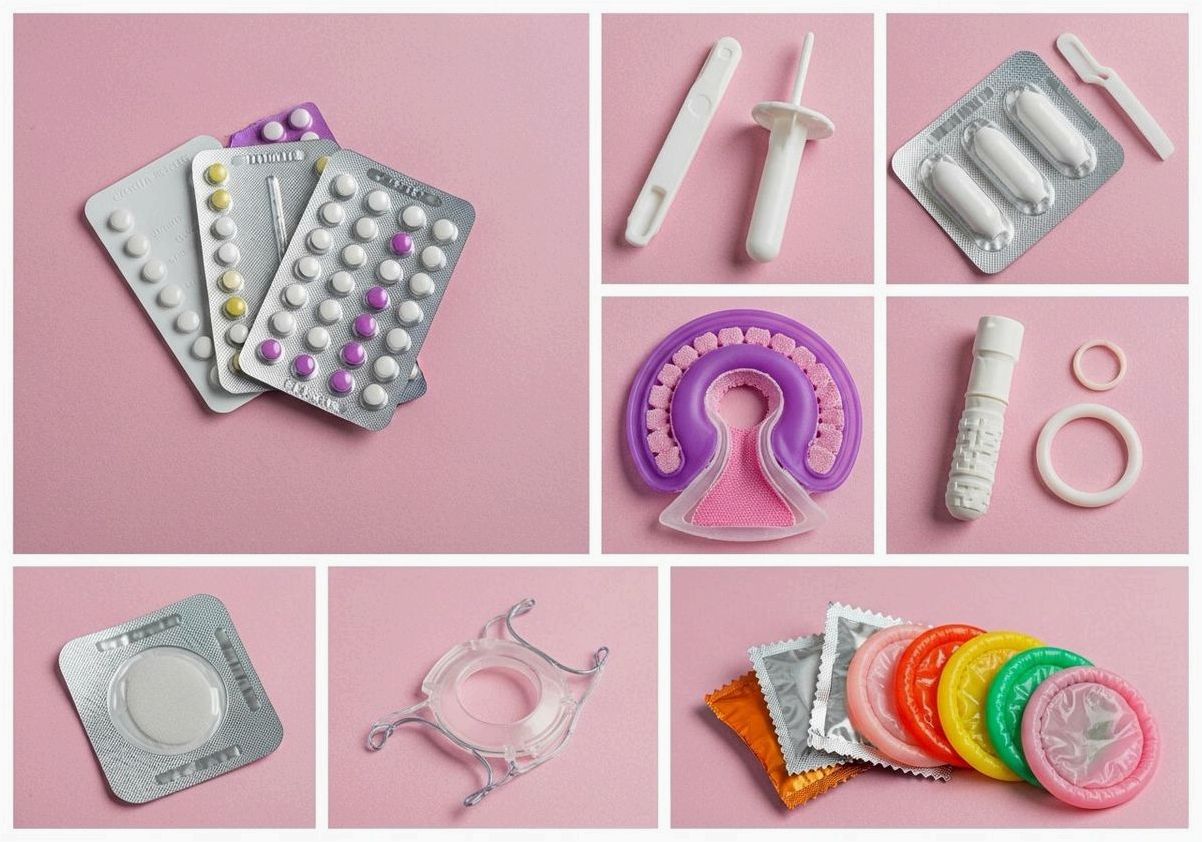
Choosing the right contraceptive method is a difficult task: on the one hand, you want to be sure of reliable protection against unwanted pregnancy, but on the other, you want to avoid the negative impact of medications on your health and future fertility. Together with experienced obstetrician-gynecologist Anna Dobychina at the REMEDI Clinic, we will examine the main pros and cons of popular contraceptive methods.
Article Contents:
What questions will your doctor ask you?
What worked well for your friend may not always be safe for you. As the specialist notes, modern contraceptives do not have a harmful effect on the female body and do not reduce fertility—the ability to conceive and bear a child. However, the choice of method should be made exclusively by a doctor. The doctor will definitely ask the patient about her pregnancy plans, the presence of chronic or hereditary diseases, and any other gynecological problems. After all, a properly chosen method can even improve skin condition and reduce the symptoms of premenstrual syndrome.
Anna Dobychina, obstetrician-gynecologist at the REMEDI clinic:
“To make a decision, a comprehensive examination is necessary: a gynecological examination, a pap smear test, and an ultrasound of the mammary glands and pelvic organs. Yes, this takes time, but it will allow you to choose the safest and most effective contraceptive method.”
Furthermore, the doctor will definitely ask if you have any allergies to any medications and will also evaluate your lifestyle and habits—for example, whether you smoke, your physical activity level, and your diet. These factors can influence the choice of contraceptives and their effectiveness. It’s also important to discuss any medications you’re taking, as some may reduce the effectiveness of hormonal contraceptives or cause adverse interactions.
Discussing possible side effects and contraindications will help avoid complications and increase comfort when using contraception. Your doctor will explain how each method works so you can make an informed decision based on your preferences and health.
Therefore, prepare for your conversation with your doctor by answering all questions honestly and not being shy about sharing even seemingly insignificant information. This is the key to your health and comfort for many years.
Hormonal pills
Benefits. When taken correctly and regularly, they provide almost one hundred percent protection against pregnancy.
Hormonal drugs have a positive effect on diseases such as endometriosis, uterine fibroids, endometrial pathologies and polycystic ovary syndrome, and also help relieve PMS symptoms. Moreover, the use of hormonal drugs can prevent certain types of cancer, including ovarian, endometrial and intestinal tumors.
After completing the course, the tablets are quickly eliminated, reproductive function is restored (in the absence of serious health problems with the partners). Some contraceptives are additionally enriched with folic acid, which helps prepare the body for pregnancy.
Flaws. In rare cases, the drug may stimulate appetite , so when you start taking it, you should pay closer attention to your eating habits. In addition, the tablets must be taken strictly on schedule – at the same time, otherwise the protection is reduced. Even short-term stomach upset can lead to loss of effectiveness.
In the first stages, spotting bleeding and slight discomfort in the mammary glands are possible, but side effects such as nausea or hair loss have almost disappeared thanks to modern formulas.
Rings, patches, injections, and implants
Hormonal contraceptives are not only available in pill form. Today, medications are introduced into the body in gentle alternative ways, which have their own pros and cons.
Advantages. Automatic action eliminates the need to remember to take it every day – this is especially convenient for those who find it difficult to adhere to a strict regimen.
Such solutions are suitable for women who are contraindicated for taking pills due to digestive problems. Additionally, the drug has a long-lasting effect: the injection can protect for three months, and the implant can protect from three to five years.
Disadvantages. The range of therapeutic effects is somewhat limited—unlike pills, these methods do not address associated cosmetic issues, such as acne.
Furthermore, it is not possible to immediately reverse the effects of hormones, and any side effects that arise, such as intermenstrual bleeding or headaches, will have to be tolerated or the medication changed as recommended by a doctor.
Barrier methods of contraception
This group includes condoms, spermicidal gels, and suppositories. Although vaginal caps and female condoms also exist, they are not widely used due to their difficulty in use.
Advantages. Barrier methods are suitable for women who are prohibited from using hormonal medications or intrauterine devices. This may be due to a history of cancer or blood clotting problems.
Furthermore, condoms are the only method of contraception that protects not only against pregnancy but also against sexually transmitted infections.
Disadvantages. Using these methods requires additional steps immediately before sexual intercourse—for example, gels and suppositories must be inserted 10-15 minutes before intercourse, which can be uncomfortable and distracting.
Intrauterine device
Advantages: This method allows you to avoid monitoring for an extended period of time—from five to ten years. This option is suitable for women who are not planning a pregnancy in the near future. Experts recommend considering egg cryopreservation in this case, which preserves reproductive potential and ensures the possibility of pregnancy in the future, regardless of age-related changes.
Disadvantages: The IUD is not recommended for those with uterine abnormalities, frequent inflammation of the appendages, or colpitis. It is also contraindicated for women with multiple permanent or rotating partners.
Calendar method
Advantages: This method is completely free. By studying your menstrual cycle and determining your ovulation days, you can plan or avoid conception—especially useful for those who want to conceive in the near future. The method does not require the use of medications and does not affect health, which makes it attractive to supporters of natural family planning.
Flaws. The reliability of the method leaves much to be desired. Requires daily morning rectal temperature measurement and charting, which is not always convenient. It is especially difficult to predict favorable days, because even minor deviations or high sperm activity lead to a high risk of pregnancy during the so-called “dangerous” period. a period covering five days before and five days after ovulation. In addition, the method is of little use for women with irregular menstrual cycles, since changes in cycle length significantly reduce the accuracy of calculations.
To increase the effectiveness of the calendar method, it is recommended to combine it with other methods of monitoring signs of ovulation, for example, measuring basal temperature, analyzing cervical mucus, or using special ovulation tests. It is important to remember that the calendar method does not protect against sexually transmitted infections.