10 factors that cause dry skin
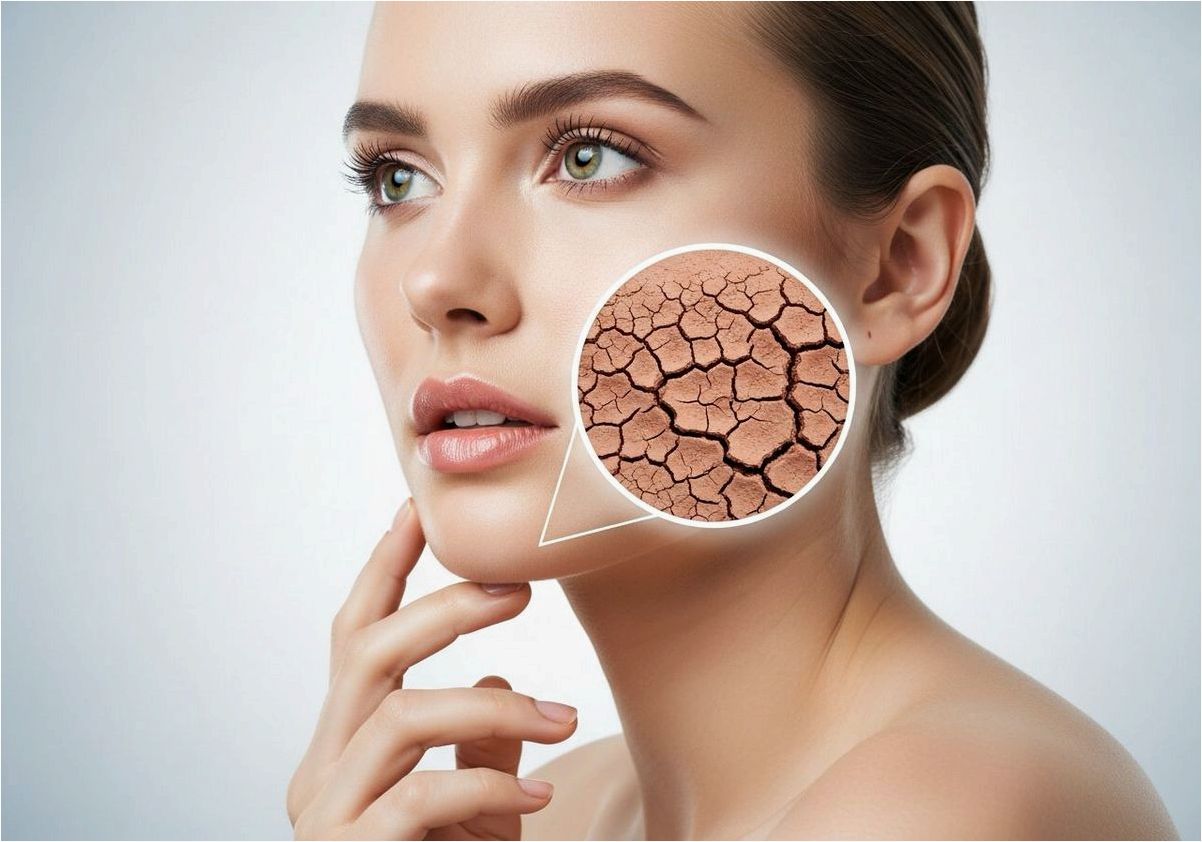
The main cause of dry skin is usually a lack of moisture. But why is there such a shortage? If regular moisturizers don’t relieve the symptoms of dryness, itching, and flaking, you may want to look into other possible causes.
Contents of the article:
- 10 Surprising Causes of Dry Skin
- 1. Fragrances as a provoking factor of irritation
- 2. Soap and its effect on moisture levels
- 3. Heredity as a factor in dry skin
- 4. Hard water prevents the penetration of moisturizing
- 5. Acne treatments and retinol accelerate cellular metabolism,
- 6. Dry air makes dry skin worse
- 7. Frequent hand washing causes irritation and redness
- 8. Long hot showers cause moisture loss
- 9. Age-related changes worsen skin condition
- 10. Some diseases cause dry skin
dry skin is associated with a breakdown in the skin’s protective barrier and a lack or malfunction of fats that should be present in the surface layer of the skin. The top layer of the epidermis is made up of dead cells and natural oils, which retain moisture and provide softness and elasticity to the skin. Without these protective oils, the skin loses moisture and becomes excessively dry.
In most situations, xerosis (dry skin) is not a serious problem. This phenomenon is widespread, can affect people of any age and occurs on different parts of the body – from the arms and face to the legs and abdomen. Often, when dryness occurs, the first solution is to use a moisturizer, but it is more effective to understand the true causes of the problem.
Dry skin can be caused by a number of factors, including:
- Climate and weather conditions. Cold, windy weather and low air humidity contribute to the rapid evaporation of moisture from the surface of the skin.
- Frequent washing and use of aggressive products. Hot water, soap and gels with strong surfactants can destroy the lipid layer of the skin, leading to dehydration.
- Age-related changes. As we age, sebum production decreases and the skin becomes thinner and less elastic.
- Hormonal disorders. Disruptions in the endocrine system, pregnancy or menopause can affect the condition of the skin.
- Lack of vitamins and nutrients. Deficiency of vitamins A, E, D, as well as omega-3 fatty acids negatively affects skin hydration.
- Diseases of the skin and internal organs. Psoriasis, eczema, diabetes, kidney and thyroid diseases are often accompanied by dry skin.
- Stress and lack of sleep. Chronic fatigue reduces the skin’s ability to restore and maintain moisture balance.
- Wrong selection of cosmetics. Using creams and lotions that are inappropriate for your skin type can make dryness worse.
- Smoking and drinking alcohol. These bad habits impair microcirculation and slow down skin regeneration processes.
- Constantly staying indoors with air conditioning or heating. Such conditions dry out the air, which negatively affects the skin.
Understanding these factors helps not only to choose the appropriate care products, but also to make lifestyle changes to prevent and eliminate dry skin. In case of persistent symptoms, it is recommended to consult a dermatologist for a comprehensive examination and selection of treatment.
10 Surprising Causes of Dry Skin
1. Fragrances as a provoking factor of irritation
Fragrance ingredients often worsen dry skin by causing irritation. It is recommended to avoid cosmetics and deodorants containing fragrances, which often provoke allergic contact dermatitis. Sometimes the skin reaction appears only after several uses, but sometimes it appears immediately.
Be sure to check the product composition for the presence of the word “fragrance”. Products marked “fragrance-free” – the best choice for dry skin. Natural oils, for example, lavender, have a mild preservative effect and are often included in such hypoallergenic products.
2. Soap and its effect on moisture levels
Most soaps, shampoos and detergents are designed to remove oil from the skin, so along with it they help remove natural moisture, which negatively affects the condition of the epidermis and scalp. It is important to carefully choose face and body washes and even washing powders. It is better to give preference to moisturizing gels or foams for washing, non-rigid detergent compositions. Experts advise avoiding aggressive household chemicals and highly corrosive chemicals. moisture from conditioners if your skin is prone to dryness.
3. Heredity as a factor in dry skin
Scientists have proven that the tendency to dry skin can be genetic. According to the study, mutations in the genes responsible for the production of the protein filaggrin, an important component that ensures the formation and retention of moisture in the skin barrier, can cause skin diseases. About 10% of the population have these mutations, which makes their skin prone to dryness and increases the risk of developing atopic dermatitis.
If you constantly experience dry skin, or your family has a similar problem, pay special attention to daily care. You should look for ceramides and lipids in moisturizers – they help restore and strengthen the skin’s barrier functions.
4. Hard water prevents the penetration of moisturizing components
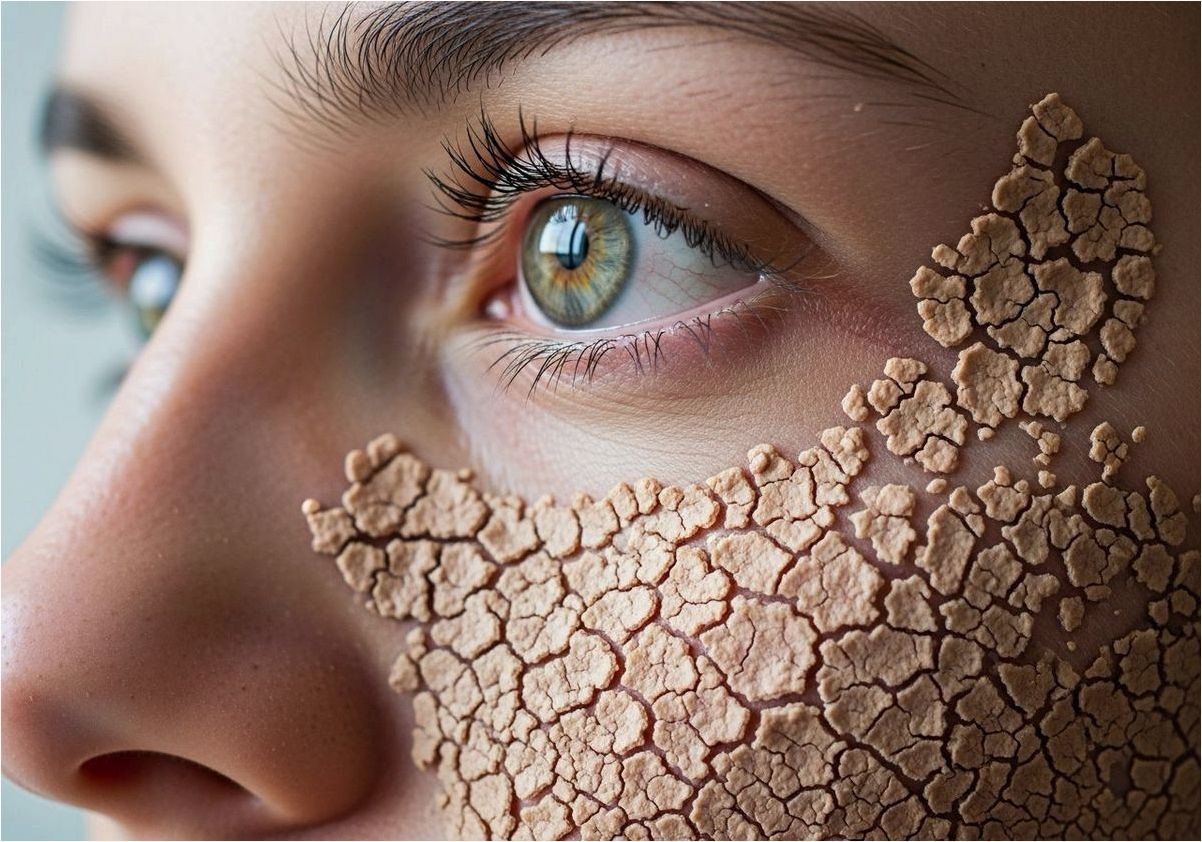
Water with a high content of minerals – magnesium and calcium – is called hard water. The minerals present in such water can form a film on the surface of the skin, which prevents normal hydration and contributes to dryness. Heavy metals change the structure of sebum, clog the sebaceous glands and aggravate inflammatory processes, for example, with acne and rosacea. In addition, hard water impairs the absorption of creams and lotions.
Consider installing a water filter. Pay special attention to products with vitamins A and C, which help protect the skin from the negative effects of minerals.
5. Acne treatments and retinol speed up cell turnover, causing dryness.
Salicylic acid is used to combat acne, but it often causes dry skin at the initial stage of use. Retinol can also cause redness and flaking, as it weakens intercellular connections in the epidermis. However, it is not necessary to give up these effective products – usually it is enough to reduce the frequency of their use from daily to every other day and choose gentle cleansing products.
According to the recommendations of the American Academy of Dermatology, the optimal regimen depends on the individual characteristics of the skin. If burning or severe peeling occurs, you should stop using and consult a dermatologist to choose a more gentle product and proper care regimen.
6. Dry air makes dry skin worse.
Indoor air is sometimes just as harmful to the skin as outdoor air – lack of humidity causes dehydration and itching. To compensate for this factor, it is recommended to use a humidifier and maintain the room humidity level at 30-50%. At the first signs of chapping or peeling, it is useful to use creams with 1% hydrocortisone, which relieves inflammation, redness and itching, and accelerates the healing of cracks.
7. Frequent hand washing causes irritation and redness
Regular and frequent hand washing, for example, important for healthcare workers, often leads to dry skin, cracking and redness. To reduce the harmful effects, it is recommended to use warm water (not hot), choose mild detergents with a moisturizing effect, carefully dry your hands and apply nourishing lotions or ointments immediately after the procedure.
8. Long hot showers cause moisture loss
During the cold season, you want to stay under hot water longer, but this leads to dehydration of the skin. Long water treatments or steam baths remove moisture. Experts advise limiting shower time to 5 minutes, using comfortably warm water, and applying moisturizer immediately after bathing while skin is still slightly damp.
9. Age-related changes worsen skin condition
With age, the issue of dry skin becomes more relevant. In half of people over 40 years of age, this symptom is observed especially often – the skin produces less natural oils. In women, an additional factor is the hormonal imbalance associated with menopause.
It is recommended to regularly moisturize the skin using products with ceramides, glycerin, hyaluronic acid and petroleum jelly. These components help replenish the lack of moisture and restore the protective layer of the skin.
10. Some diseases cause dry skin
Psoriasis, eczema and other dermatological diseases can cause severe dry skin. In addition, this symptom may be associated with systemic pathologies – diabetes, thyroid and kidney disorders, poor diet or HIV.
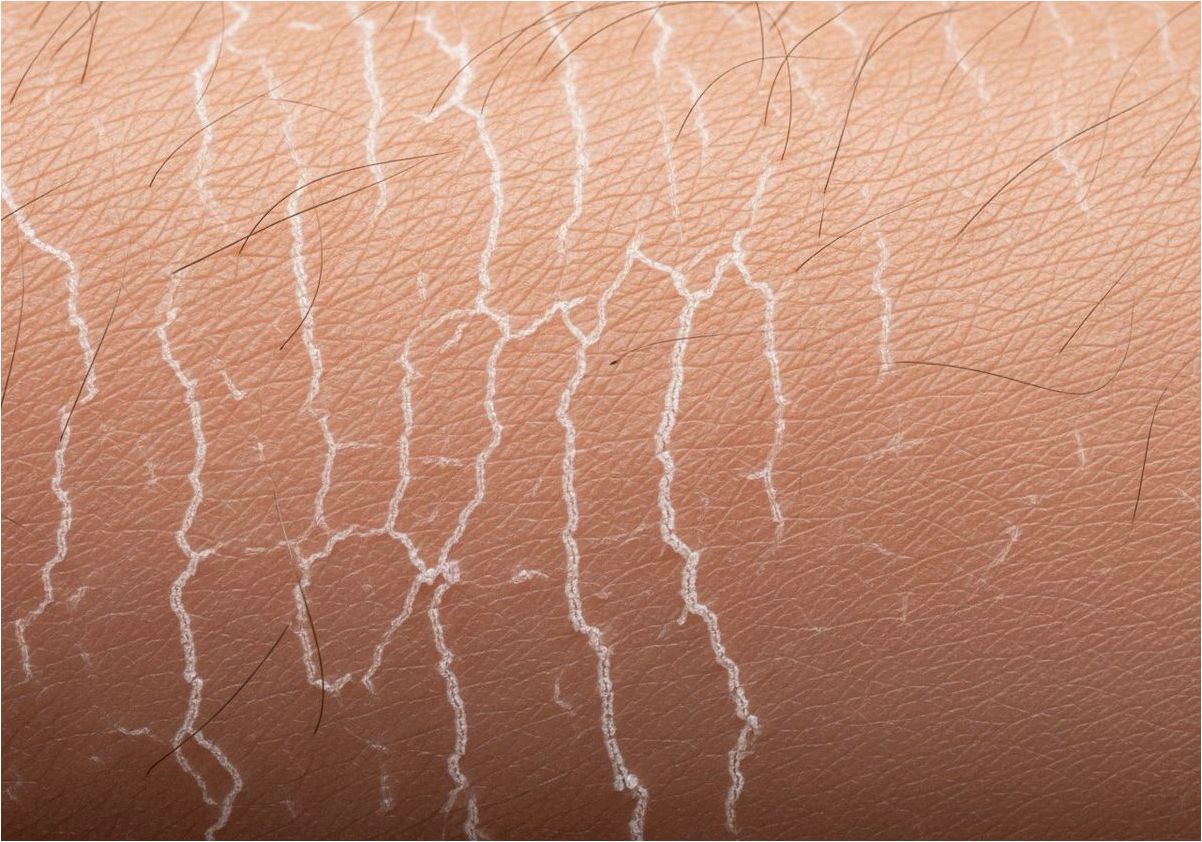
How to distinguish normal dry skin from signs of a serious illness?
Look for itching, crusting, redness, hyperpigmentation, and flaking. If such signs are pronounced, you should seek advice from a specialist. After identifying the exact cause, your doctor will help you choose the appropriate treatment.
Lack of moisture is an obvious explanation for dry and damaged skin, but genetic factors, fragrance in cosmetics and water quality are also important. Check out the reasons described to more effectively combat the problem of dry skin.