5 Vitamins and Minerals Recommended to Take on a Low-Carb Diet
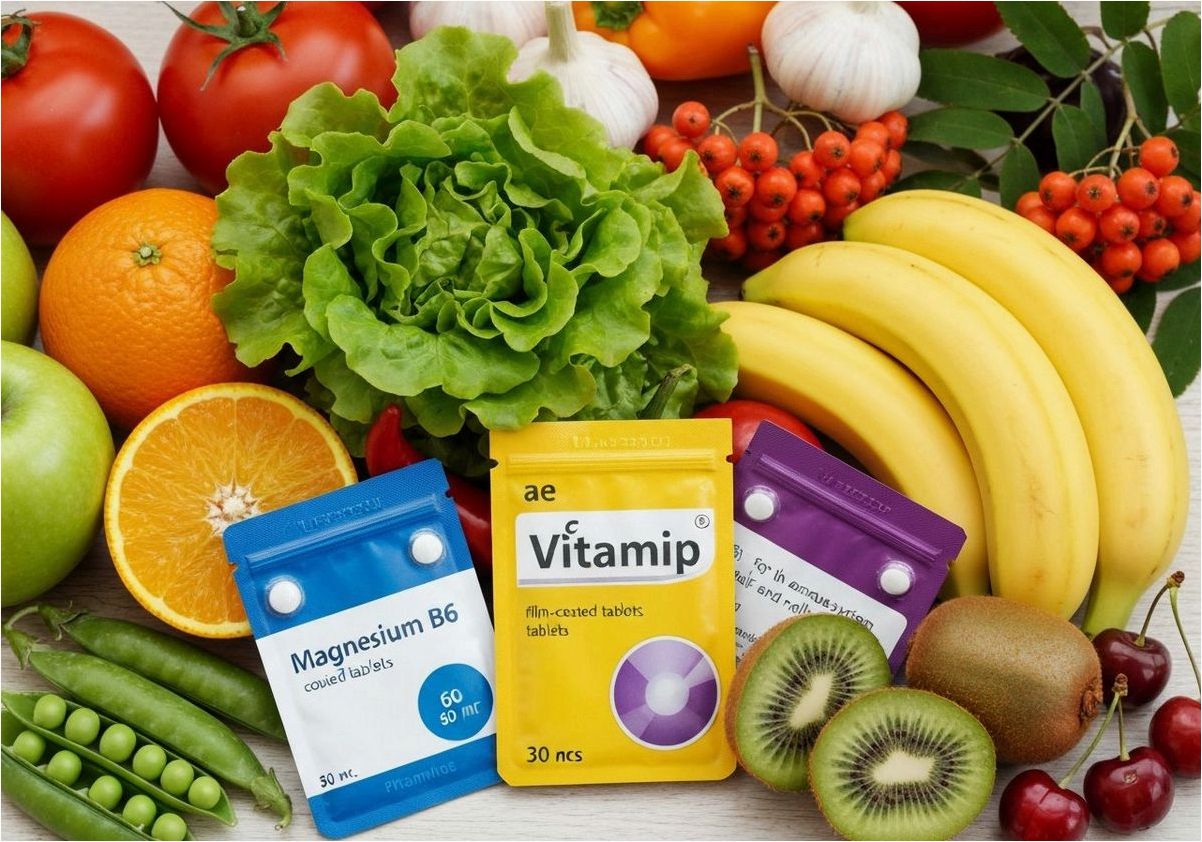
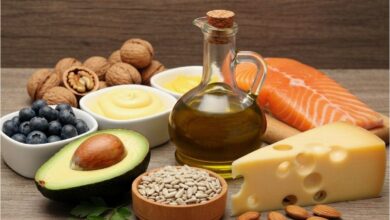
The LCHF (low-carbohydrate, high-fat) diet involves eating a diet that is high in fat, moderate in protein, and minimal in carbohydrates.
Contents of the article:
although such a power system was not originally created exclusively for losing weight , it has gained popularity precisely as an effective way weight loss its supporters try to get most of their calories from fat and proteins, while limiting carbohydrate intake to 50 grams per day or even less. The strictest option is the ketogenic diet, where carbohydrates are so low that the body begins to produce ketone bodies, using fats as the main source of energy. Many people report significant weight loss, but experts warn of possible disadvantages: among other things, it can be accompanied by loss of muscle mass and digestive problems such as diarrhea.
In addition, dietary restrictions often lead to a lack of vitamins and minerals, because many healthy foods are excluded or severely limited in LCHF. If you’ve decided to seriously commit to this diet or are just planning to try it, there are five key supplements to consider that will help compensate for possible deficiencies.
Magnesium
Foods rich in magnesium are often whole grains, bananas and legumes, but these contain too many carbohydrates and are not suitable for the LCHF diet.
“Magnesium is an important mineral that supports many processes in the body’s cells, it regulates the functioning of the muscles, nervous and immune systems,” says Dr. Ginger Hultin of the Academy of Nutrition and Dietetics (Seattle). “Magnesium is also necessary for strengthening bones, stabilizing blood sugar levels and normalizing heart rate.” To reach the recommended daily intake (approximately 310–320 mg depending on age), LCHF adherents can include approved foods such as spinach, broccoli, kale, and pumpkin and sunflower seeds. However, taking a magnesium supplement will help ensure your body meets your needs. “Discuss your intake with your doctor and do not exceed the permissible dosage—excess magnesium often causes diarrhea,” advises Hultin.
It is important to remember that magnesium deficiency can lead to muscle cramps, weakness, fatigue, migraines and even heart rhythm disturbances. In addition, chronic magnesium deficiency is associated with an increased risk of hypertension, osteoporosis and type 2 diabetes.
To improve the absorption of magnesium, it is recommended to combine foods containing this mineral with foods rich in vitamin D and calcium, and to avoid excessive consumption of caffeine and alcohol, which can contribute to the removal of magnesium from the body.
Magnesium Citrate, VPLAB * is a magnesium preparation in the form of citrate, which helps normalize blood pressure, has a relaxing effect on muscles and blood vessels, and is beneficial to the functioning of the cardiovascular system. High bioavailability is ensured by good absorption. Each capsule contains 135 mg of magnesium.
Calcium
Dairy products, such as whole milk and yogurt, are high in carbohydrates—up to 12 grams per serving—so they are often excluded from low-carb diets. This significantly limits the intake of calcium, which for women, depending on age, requires from 1000 to 1300 mg daily.
“Calcium is a key element for strong bones, as well as normal muscle and nervous system function,” explains Hultin. “It also affects the cardiovascular system and is necessary in the production of hormones.” At the same time, you can get calcium by eating sardines and salmon with bones, as well as leafy vegetables such as cabbage and broccoli.
If consuming enough greens or fish is difficult, calcium supplements can help. It is important to consult with your doctor to determine the optimal dosage for your diet and health.
Calcium and vitamin D3, UltraVit* is a comprehensive product to support healthy bones, teeth and muscles. Contains calcium combined with vitamin D3, which improves its absorption. Regular use helps strengthen bone tissue, quickly heal fractures, maintain healthy teeth, reduce the risk of osteoporosis and support the immune system.
Iron
Iron plays a vital role as it ensures the proper functioning of every cell in the body. “This mineral is necessary for the synthesis of hemoglobin, the protein in red blood cells that transports oxygen throughout the body,” explains Hultin. For non-pregnant women aged 18–50 years, the recommended daily intake is 18 mg. Iron deficiency may cause weakness, fatigue and pale skin.
The nutritionist notes that many foods approved for LCHF contain iron, such as beef, certain types of fish and oysters. However, plant sources of iron, which include lentils, beans and tofu, are limited or eliminated from the diet.
Meeting the iron needs of vegetarians and vegans on low-carb diets becomes especially problematic because they do not consume animal products. Leafy vegetables such as kale and spinach, while good plant sources, contain a form of iron that is less absorbable. In such cases, it makes sense to consider taking a daily iron supplement.
To improve the absorption of iron from plant foods, it is recommended to consume them together with foods rich in vitamin C, such as fresh vegetables and berries. It is also important to avoid drinking tea and coffee immediately after meals, as the substances they contain may reduce the bioavailability of iron. In addition, excess calcium in the diet can interfere with the absorption of iron, so the balance of these microelements should be monitored.
Iron also plays a key role in maintaining the normal functioning of the immune system, participating in enzyme synthesis and the detoxification process. Athletes and people with increased physical activity may have a higher iron requirement due to increased red blood cell breakdown and loss of the mineral through sweat.
Iron, Ultravit is an iron preparation that plays an important role in energy metabolism, supporting the immune system and nervous system. One capsule covers the daily requirement of the mineral.
Vitamin D
Getting enough vitamin D is difficult even without carbohydrate restrictions. This vitamin is produced in the skin when exposed to sunlight, but many people avoid prolonged sun exposure to reduce the risk of skin damage and cancer. Vitamin D is also found in some foods such as milk, orange juice and fortified cereals, but their intake is limited on a low-carb diet.
Meanwhile, vitamin D is vital for bone health, and chronic deficiency can lead to brittle bone tissue and an increased likelihood of fractures. “It helps increase energy levels, strengthens the immune system, and reduces the risk of depression,” says Dr. Natalie Rizzo of New York City.
To reach the daily value (600 IU), include fatty fish that are allowed for LCHF, such as salmon and tuna, as well as eggs – an excellent source of vitamin D due to their fatty yolk.
If your diet is very limited, you may need to take additional vitamin D in the form of a supplement.
Vitamin D3, Ultravit is a drug for maintaining healthy bones and teeth, as well as normal muscle function and helping with weight control. Vitamin D3 is necessary for both adults and children, as it helps strengthen the skeleton and maintains calcium balance in the blood.
Fiber
Fiber plays an important role in maintaining a healthy digestive system, helping to avoid problems such as bloating, gas and constipation. The main sources of fiber are foods high in carbohydrates, including grains, fruits and vegetables, which are not always allowed in LCHF.
According to Rizzo, lack of fiber increases the risk of developing serious diseases, including obesity, heart disease and colon cancer.
“Because carbs are strictly limited on the keto diet, choose high-fiber vegetables like broccoli and cauliflower,” Rizzo recommends. However, they are difficult to consume in large quantities, so taking a daily fiber supplement will be beneficial. Be sure to consult your doctor to choose the appropriate drug and dosage.