Live, Dance
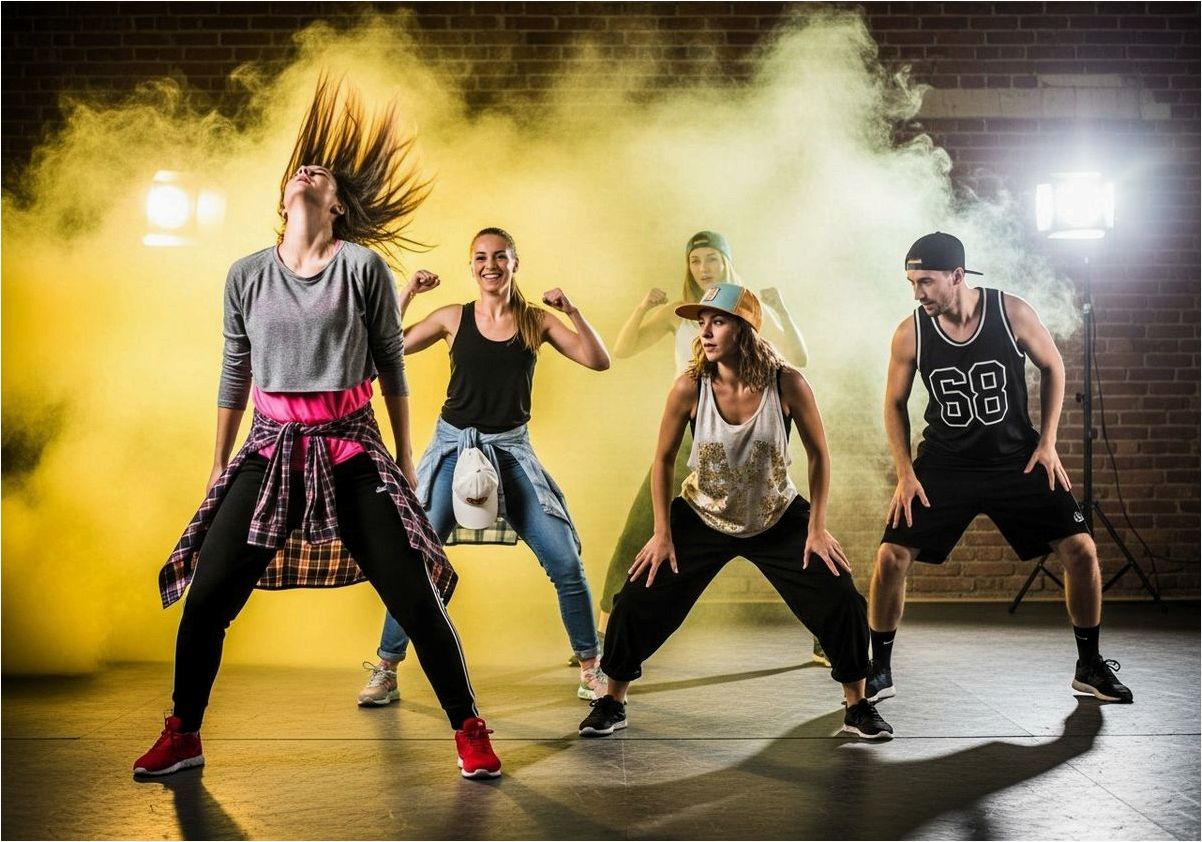
We all regularly face the challenge of choice. Whether we’re standing in front of a store window or looking at a gym schedule, we often feel an overwhelming desire to have it all. In this case, you can find a suitable and versatile fitness program. Nia’s class is an unusual combination of dance, martial arts, and Eastern spiritual practices.
How it works
The program’s main goal is the harmonious functioning of all aspects of the body: the physical body, mental state, emotions, and spirit. The workout invigorates and restores vitality gently, without excessive strain, through a pleasant and comfortable experience. Nia is suitable for all fitness levels, as it avoids aggressive methods and risky aerobic elements. All 52 movements in the program are gentle, smooth, and easy to digest. The key is to focus on the exercises, feel each muscle and joint, and accompany the movements with visualization and autogenic training.
Features
Nia places special emphasis on musical accompaniment: rhythms and pauses are organized according to an “8-beat” system. It’s important to develop the ability to listen and perceive the connection between sound and silence.
Trainer’s Recommendations
“Every session should begin by identifying a point of focus.” “Focus on enjoying the movement, and your workout will be easy and effective,” says Nia instructor Yana Perederina from the Planet Fitness chain of fitness clubs. “If you feel tired, slow down and relax. When your energy returns, increase the speed.”
Basic Poses (Stances)
Cat Stance
From the starting position, “Closed Stance,” lift your right knee and try to maintain a stable balance. Feel how balance is achieved through gentle tension in your leg muscles and core.
Trainer’s Advice
Learn to be aware of even the most basic movements. Notice your muscle activity and the current state of your body.
Closed Stance
Place your feet close together, with your big toes together and your heels slightly apart – this is called a “closed stance.”
Trainer’s Advice
Move your arms as you exhale – the movements should be sharp and powerful. Control the tempo and precision of your movements, and remember to maintain rhythm.
Bow Stance (Bent Knee Squat)
From a Closed Stance position, extend your right leg behind you and firmly press your toes into the floor. Slowly bend your knees, lowering yourself into a light squat. Ensure your center of gravity is directly over the midline of your feet. Feel your weight distributed evenly between your left foot and the toes of your right foot. Tighten your hips, knees, and glutes to maintain a straight back. Then repeat the same movement with your left leg.
Arms: Punches (upward, forward, diagonal, downward)
Punches are performed on an exhalation, changing direction. Bend your elbow slightly as you move upward. All movements strictly follow martial arts techniques.
Steps: Sliding Turn
This complex exercise engages the entire body and various muscle groups. From an open stance, slowly move your right arm horizontally, first to the right, then to the left, as if wiping dust. Focus on the sensations of your body and the space around you. Repeat the movement with the other arm.
Forward Kick
From the Cat Stance, straighten your right leg forward on your left leg. Feel the stretch from your heel to your hip. Repeat the movement with the other leg.
Trainer’s Advice
All kicks are performed using proper martial arts technique.
Side Kick
In the Cat Stance position, support yourself on your left leg, slightly bent at the knee, with your foot pointed outward for comfort. Raise your right leg to the side, leaning your torso to the left. Feel your balance on your supporting leg and the stretch in your right side from your heel to your buttocks. Repeat with the opposite leg.
Quick Clock
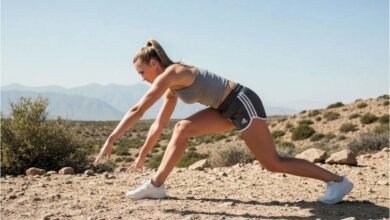
Start in Closed Stance, then smoothly step forward with your right foot to the 12 o’clock position. Your step should be soft, starting with your heel. Then smoothly move your foot back to the 6 o’clock position, without stopping midway. Gently twist your torso in the direction of the step. Keep your knees slightly bent.
Additional Tips for Successful Nia Practice
To achieve maximum benefit from Nia, regular practice is recommended, at least 2-3 times a week. Before starting a class, be sure to do a short warm-up to warm up your muscles and joints to reduce the risk of injury and prepare your body for the movements.
Pay attention to your breathing—it should be even and deep, which helps improve concentration and promotes relaxation. During the movements, try not to tense your body: lightness and smoothness are the key to proper technique.
It’s also helpful to practice mindfulness outside the gym—spend time meditating or doing simple mindfulness exercises. This will strengthen the connection between your mental and physical states, which is an important part of Nia’s philosophy.
It’s important to wear comfortable clothing that allows for movement, and it’s best to practice in a well-ventilated area with a soft surface to reduce stress on your joints.
Nia classes are great for recovery from injuries and chronic illnesses, but if you have any serious health issues, it’s recommended to consult a doctor before starting training.