5 misconceptions about Nordic walking
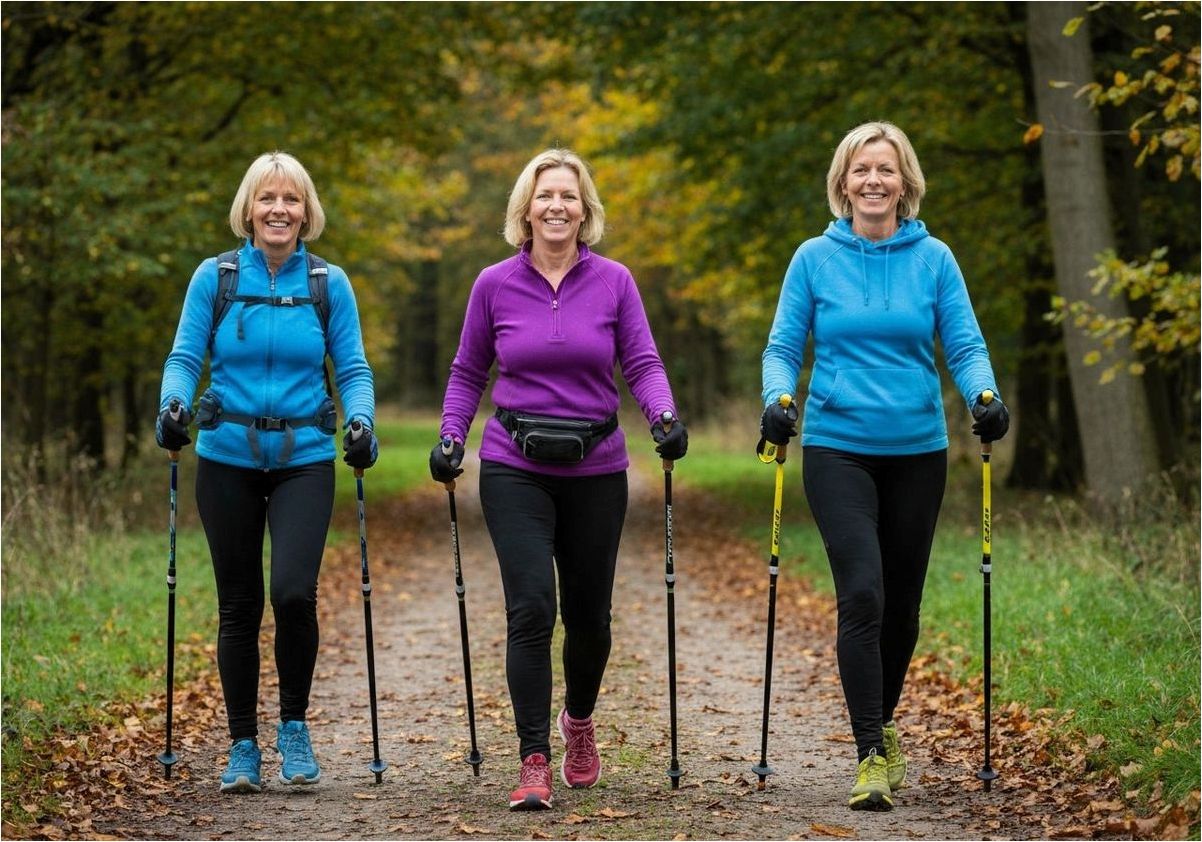
It is often believed that Nordic walking is a sport only for those who avoid or cannot run. Actually this is not true! This type of physical activity serves as an effective cardio workout for people of all ages and fitness levels. It helps develop endurance and strengthen fortitude. Together with Eduard Shakula, fitness manager of the Pride Fitness club chain, we will debunk the most common myths about this type of walking.
Contents of the article:
- Myth No. 1. Nordic walking is an activity exclusively for
- Myth No. 2. Nordic walking is no different from simple
- Myth No. 3. During this walk, calories are burned very slowly
- Myth No. 4. Nordic walking does not require specialized
- Myth No. 5. Nordic walking is boring and monotonous
- Tips for choosing Nordic walking poles
nordic walking originated in Finland and quickly gained recognition throughout the world as one of the most useful and accessible sports. The main difference between this technique is the use of special sticks, which allow you to engage about 90% of the body muscles, and not just the leg muscles, as with normal walking. This provides a more intense workout for the cardiovascular system and upper body muscles, improving posture and reducing stress on joints.
In addition, Nordic walking is suitable for rehabilitation after injuries and operations, helps reduce stress and improve psycho-emotional state. It is especially recommended for people with excess weight, cardiovascular diseases and musculoskeletal problems, since the walking technique is gentle and allows you to regulate the intensity of the load.
It is important to remember that the effectiveness of training directly depends on the correct choice of poles and walking technique. Therefore, it is useful for beginners to take a couple of lessons from an experienced instructor who will help them master the correct movements and avoid mistakes that can lead to injury.
Myth No. 1. Nordic walking is an activity exclusively for older people
Nordic walking is a sporty style of walking using special poles that make the workout more effective and challenging. In Russia in 2010, this sport received the stereotype of a “social” sport. activities for retirees because the first practitioners were mostly elderly people. However, such walking is suitable for absolutely everyone, regardless of age and physical condition. No complex technique is required – any beginner can master it. This is an excellent choice for those who are starting to play sports or prefer moderate exercise.
Myth No. 2. Nordic walking is no different from a simple walk
Unlike a regular walk, Nordic walking is a sports discipline where correct technique is important. If during a quiet walk only the leg muscles and cardiovascular system are active, then the arms and shoulder girdle are involved, which significantly increases the intensity of the activity and helps burn calories more efficiently. To get the most out of your workout, it is important to learn how to perform all movements correctly.
Myth No. 3. During this walk, calories are burned very slowly
Walking is one of the most accessible and effective ways to burn calories. How much energy you expend depends on the pace, duration and intensity. On average, you can lose about 200–400 kilocalories in an hour of exercise. Thus, Nordic walking is perfect for those who want to improve their physical fitness, lose weight, reduce stress and improve their health.
The peculiarity of Nordic walking is that it uses not only the leg muscles, but also the upper body – arms, shoulders and back, which increases the overall load and increases calorie consumption compared to regular walking. Thanks to the use of special sticks, posture improves and the load on joints is reduced, which makes classes safe and effective for people of different ages and fitness levels.
In addition, regular exercise helps improve the functioning of the cardiovascular system, strengthen respiratory function and increasing endurance incorporating Nordic walking into your daily routine helps maintain an active lifestyle, which is important for overall health and longevity.
Myth No. 4. Nordic walking does not require specialized equipment
Special poles are critical for this type of walking, as they help create additional stress on muscles and joints, and also promote better coordination and balance. It is also recommended to choose comfortable shoes with flexible soles and good shock absorption, and for comfortable training, functional and comfortable clothing. The equipment should suit your needs and individual characteristics.
Myth No. 5. Nordic walking is boring and monotonous
In fact, this type of walking can be made very diverse and exciting by changing routes. For example, you can include ups and downs, walk along forest paths or parks, enjoying nature. For added enjoyment, you can listen to audiobooks or music. After all, Nordic walking is not only a sport, but also an opportunity to spend time outdoors, admiring your surroundings.
To make your training as productive as possible, we recommend following these tips:
- Although the walking technique is quite simple, it is worth familiarizing yourself with it first to avoid injury and increase the effectiveness of your exercise.
- Exercise 2-3 times a week for 60-90 minutes, striving for regularity.
- Dress in loose-fitting clothing that does not restrict movement.
- Be sure to warm up before your workout and cool down after it.
- Remember to drink enough water, especially during long exercise sessions and in hot weather.
Tips for choosing Nordic walking poles
Pay attention to the length adjustment system. Telescopic models with locking locks are more reliable than screw ones and are easier to adjust while moving or when changing terrain. Handles made of cork or EVA foam absorb moisture better and prevent hand chafing due to their softness and antimicrobial properties.
Strap attachments should be easy to lock and adjust, providing a snug, but not constrictive, grip on the hand. This will reduce fatigue and improve the transfer of forces when walking. Be sure to choose poles with replaceable tips. Solid rubber tips are suitable for asphalt, and metal tips with spikes for soil or snow.
Before buying, evaluate the weight of the poles – for regular training it is better to take light models – they reduce the load on the hands and improve technique. Check the joints and fastenings for any play or creaks to avoid discomfort during use.