Is it possible to increase muscle mass by walking?
g?
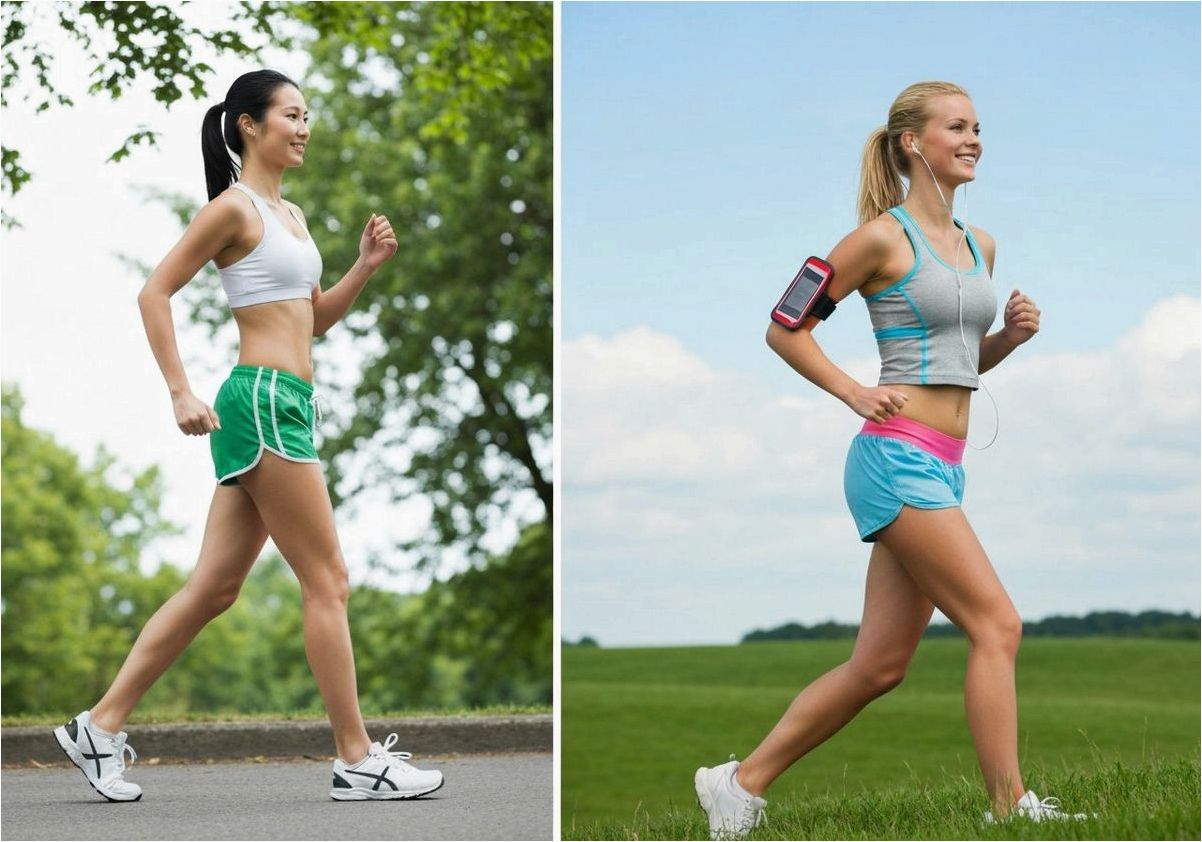
Walking, being a natural way of movement for humans, is also an effective form of physical activity. An accelerated step increases the heart rate, improves coordination and balance. But can regular walking help you increase muscle size in your calves, quads and thighs?
Contents of the article:
experts believe that walking in the park or running on a treadmill is not only acceptable, but also beneficial as part of a training plan for building muscle mass.
However, walking alone is usually not intense enough to noticeably increase muscle mass. To stimulate muscle growth, it is necessary to create additional load, which will force the muscles to adapt and increase in volume. For example, walking downhill, using leg weights or backpacks, can increase the load on the muscles of the legs and buttocks.
In addition, using interval techniques, which alternate between fast and slower sections of walking, helps improve overall muscle strength and endurance.
It is important to remember that effective muscle building also requires a proper diet with sufficient protein and calories, as well as regular strength training aimed at working specific muscle groups.
Thus, walking can be an excellent addition to a comprehensive training program, especially in the initial stages of preparation or during the recovery period, but more specific exercises are recommended for significant increases in muscle mass.
Mechanisms of muscle tissue growth
When muscles are subjected to stress, whether from lifting weights or training with weights, they develop micro-damages. The body responds to this damage by sending protein to the area of injury to repair and strengthen the muscles, resulting in muscle growth and strength.
Although walking does not create as significant muscle loads as high-intensity strength training, it can still cause microtrauma, especially in the muscles of the lower extremities.
For example, a small 2019 study by researchers at Juntendo University (Japan) demonstrated that 17 weeks of progressive walking increased the thickness of the anterior and posterior thigh muscles in older adults. A separate study published in the European Review of Aging and Physical Activity confirmed improved thigh muscle quality after 10 weeks of walking, with the effect being more pronounced in participants who added strength training.
Despite these encouraging findings, don’t expect regular walking to turn you into a bodybuilder. Walking is more focused on endurance training, primarily activating slow-twitch muscle fibers, which are used during prolonged physical activity for significant muscle gains, focus on exercises that stimulate fast-twitch muscle fibers, such as weightlifting or sprinting. These types of exercise promote intense muscle growth.
Also, don’t forget the importance of nutrition when building muscle mass. To support tissue growth and repair after exercise, the body requires adequate protein.
The Benefits of Walking for Health and a Well-Toned Body
The benefits of walking for health and the formation of a harmonious body
Improved Cardiovascular Health. Unlike strength training, walking primarily affects the cardiorespiratory system—it increases heart rate and improves blood flow. These effects make daily walks beneficial for health. Research shows that regular walking reduces the risk of cardiovascular disease and helps control blood pressure.
- Efficient Fat Burning. Walking can reduce subcutaneous fat, which contributes to improved muscle definition. A 2022 study published in Nutrients found that even in postmenopausal women, fat loss occurs at any walking speed, but faster paces promote faster weight loss Major Muscles Involved in Walking whether walking down the street, on a treadmill, or walking through a shopping mall, walking engages different muscle groups. Here are the muscles involved:
- Core muscles: provide stability and steadiness to the body. It is recommended to consciously engage the core muscles while walking Glutes: actively contribute to forward propulsion, especially when walking uphill. Walking on slopes is excellent for stimulating their development
Main muscles used when walking
Calves: are involved in every step and are essential for movement.
- Quadriceps: are actively engaged when walking, and climbing stairs increases their workload.
- Feet: the small muscles of the legs help maintain balance and maintain
- correct posture.
- Arms: actively moving your arms while walking will increase blood flow to the upper body.
- How to Enhance the Effectiveness of Walking for Muscle Gain
- If you want to make walking more effective in terms of muscle growth, there are several ways to increase the intensity: Increase your walking speed
- increase the incline
How to Increase Walking Efficiency to Gain Muscle Mass
By accelerating, you increase the intensity of the workout, forcing your muscles to work harder. Additionally, walking uphill or at a higher incline on a treadmill increases the workload on the glutes, hamstrings, quads, and calves, promoting their development.
- Using weights also helps enhance muscle response. For example, wearing ankle weights creates additional resistance, engaging the calf and core muscles. Lightweight, portable weights, even simple water bottles, can be swung while walking, enhancing arm training. A weighted vest engages all muscle groups, increasing calorie burn and overall endurance.
- Of course, walking is no substitute for strength training for rapid and significant muscle gain, as its primary goal is to increase heart rate and effectively burn fat. However, regular walking improves overall body condition and improves muscle tone, especially at higher speeds, on hills, and with weights. Therefore, it’s worth incorporating it into your workout routine along with other strength training. Is it possible to increase muscle mass by walking?