Recovering from COVID-19 Through Proper Nutrition

Diet plays an important role in determining the severity of various diseases, including coronavirus infection. Natalya Pshenichnaya, Deputy Director for Clinical and Analytical Work at the Central Research Institute of Epidemiology of Rospotrebnadzor and Chief Expert at the Center for Molecular Diagnostics (CMD), discusses the specifics of nutrition during the recovery period after illness.
Article contents:
The journal BMJ Nutrition, Prevention & Health has published the results of a study involving 568 healthcare workers from the UK, the US, Spain, Italy, France, and Germany who had recovered from COVID-19. The study found that those who followed a plant-based diet were 73% less likely to develop moderate or severe forms of the coronavirus compared to people who did not follow a specific diet. Among the pescatarian group, this figure was 59%. At the same time, people who consumed a low-carbohydrate, high-protein diet had a risk of severe illness that was nearly four times higher than that of those who followed a plant-based diet.
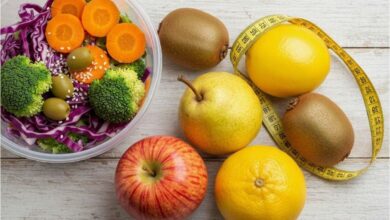
These findings suggest revising your daily diet to include more fruits and vegetables, especially now that it is the perfect season to get your fill of vitamins and minerals. This approach helps replenish your body’s stores of essential nutrients.
How to make up for vitamin deficiencies
During illness, hypovitaminosis—a deficiency of essential vitamins and minerals—often develops, particularly noticeable in the case of vitamins D and C.
A decrease in appetite during an infection, along with digestive complications that impair nutrient absorption, contributes to the onset and worsening of these deficiencies. This is precisely why timely replenishment is crucial during the recovery period.
Vitamin D, also known as the “sunshine vitamin,” poses a challenge for many people in Russia due to climatic conditions and a lack of sunlight. At the same time, studies show that normal levels of this vitamin can reduce the risk of severe COVID-19 complications—the vitamin helps the immune system fight the virus and reduces the likelihood of developing a dangerous cytokine storm.
You can replenish your vitamin D levels by spending 20–30 minutes in the sun during the warmer months—this will provide about half of your daily requirement. Additionally, it can be obtained from animal-based foods: fish, eggs, mushrooms, and cheese. During the cold season, it is recommended to take vitamin supplements containing vitamin D, but it is best to do so under a doctor’s supervision to avoid an overdose. Preventive measures reduce the risk of severe infection.
Preventive intake of vitamin C significantly reduces the risk of bacterial pneumonia against the backdrop of viral upper respiratory tract infections—by 80–100%.
Zinc is equally important—a trace element known for its antiviral, antibacterial, and anti-inflammatory properties. Selenium is also increasingly mentioned for its immunomodulatory and anti-inflammatory effects.
Based on this, it is recommended to choose vitamin and mineral complexes that include at least three of the above components. However, don’t forget to consult your doctor, as an excess of these nutrients can lead to hypervitaminosis and disrupt the absorption process.
What to add to your diet
A post-illness diet should be rich in easily digestible foods containing proteins, fats, carbohydrates, and micronutrients. Nutritionists recommend following Diet No. 15—it is suitable for most illnesses without serious digestive disorders and serves as a smooth transition to a normal diet during recovery. It has an increased content of vitamins and minerals, and all cooking methods are permitted.
Recommended dishes include:
- Vegetable and grain soups made with meat or fish broths, or mushroom or vegetable stock;
- Meat and fish dishes prepared in various ways;
- Fermented milk drinks;
- Boiled eggs or dishes containing them;
- Dishes made from grains and legumes;
- Fruits and vegetables, both fresh and cooked, as well as herbs;
- Fruit and vegetable juices, rosehip and wheat bran infusions;
- Tea, coffee, cocoa;
- Butter, clarified butter, vegetable oils.
It is recommended to eat at least four times a day.
Whenever possible, include organic products in your diet—farm-fresh or home-grown fruits and vegetables. However, when consuming fish, it is important to consider the environmental conditions of the water bodies to avoid harming your health.
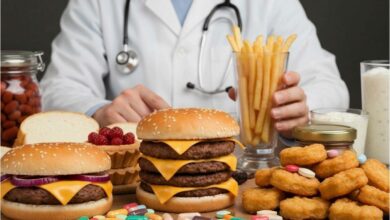
There is also a list of foods that can slow down recovery: hot spices (such as pepper and mustard), store-bought sauces, smoked meats, and fatty and foods that are difficult to digest (fatty cuts of meat, duck, goose, animal fats from beef and lamb, suet, chicken and pork fat, margarine).
Since the recovery of the sense of smell and taste receptors can take up to six months, it is recommended to choose foods that do not cause unpleasant reactions or aversion.
As a rule, with proper nutrition, the transition back to a normal diet takes about three months. If the body has time to adapt to new eating habits, this will have only a positive effect on it.
During and after recovering from COVID-19, it is helpful to monitor vitamin and mineral levels in the blood—the range of tests is broad: from vitamins D and B12 to iron and zinc. A balanced diet is an important component of lifelong health that helps fight off infections, including those caused by COVID-19. Still, to avoid getting sick and going through a long recovery process, don’t forget to follow preventive measures and get vaccinated on time.
Additional recommendations:
- Look for foods rich in probiotics and prebiotics, such as yogurt, kefir, sauerkraut, and other fermented foods. They help restore normal gut flora, which is especially important after an illness.
- Include foods rich in antioxidants (berries, green tea, nuts, spinach) in your diet, as they help reduce inflammation and support the immune system.
- Be sure to drink plenty of fluids, preferably water and herbal teas—this helps flush out toxins and improves overall well-being.
- Avoid sudden changes in your diet and overeating—meals should be regular, frequent, and balanced.
- If possible, consult a doctor or dietitian about the need to take vitamin and mineral supplements, especially if you notice signs of deficiency.
- Pay special attention to foods rich in vitamin C (citrus fruits, kiwis, bell peppers)—it promotes rapid tissue repair and strengthens the immune system.
- If you have chronic conditions or specific dietary needs, be sure to adjust your diet according to a specialist’s recommendations.
Remember that nutrition is one of the key factors in the body’s recovery, so approach food choices consciously and responsibly.