Foods That Boost Your Mood
“Some foods contain tryptophan—an amino acid necessary for the production of serotonin, known as the ‘happiness hormone’,” explains nutritionist and Nutrilite brand expert Yulia Bastrigina. “Tryptophan is found in many foods of both plant and animal origin, but only a few of them actually induce feelings of joy and satisfaction. This is because tryptophan has difficulty crossing the blood-brain barrier without the support of sugar and insulin, which is released in response to the intake of carbohydrates.” Certain vitamins and minerals, such as vitamins B6, B9, and C, as well as magnesium, are necessary for the optimal absorption and conversion of tryptophan into serotonin.
Article contents:
Caviar
Red caviar is not only rich in tryptophan but also contains significant amounts of omega-3 fatty acids. “There is a wealth of scientific evidence confirming that polyunsaturated fatty “these acids have a positive effect on emotional well-being and help combat seasonal depression,” says Andrew Stoll, M.D., who heads the research laboratory at McLean Hospital in Ballmont.
Beans
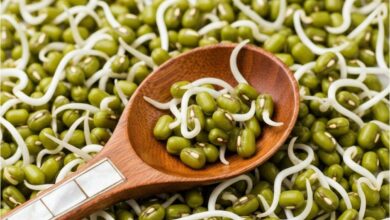
Thanks to their high tryptophan content, beans are a preferred source of slow-release carbohydrates for people with diabetes compared to whole grains, according to a team of scientists led by David Jenkins of the University of Toronto. In addition, eating beans helps lower levels of “bad” cholesterol in the blood.
Bananas
These fruits contain natural elements with a relaxing effect—magnesium and potassium—which enhance the product’s calming effect. “Potassium plays an important role in maintaining cardiovascular health,” notes Russell Rosenberg, MD, director of the National Sleep Foundation.
Dark chocolate
Dark chocolate is not only a delicious treat but also a source of compounds that stimulate the production of endorphins and serotonin. The flavonoids found in cocoa have antioxidant properties and improve blood flow to the brain, which helps boost mood and cognitive function. It is important to choose chocolate with a cocoa content of at least 70% for maximum benefit.
Yogurt and fermented foods
Gut health is directly linked to emotional well-being through the gut-brain axis. Probiotics found in yogurt, kefir, sauerkraut, and tempeh help balance the gut microbiome, which can reduce anxiety and improve overall mental well-being.
Oats
Oats are a source of complex carbohydrates and dietary fiber, which ensure a steady supply of glucose to the bloodstream and maintain energy levels throughout the day. As a result, oats promote the steady production of serotonin and help reduce stress.
Nuts and seeds
Almonds, walnuts, pumpkin seeds, and sunflower seeds are rich in magnesium, B vitamins, and healthy fats they support nervous system function, help improve mood, and combat fatigue and irritability.
Vitamins and minerals for improving mood
Vitamin D increases serotonin levels, helping to improve mood and reduce the risk of depression. Add fatty fish and eggs to your diet, or take supplements during periods of low sunlight.
B vitamins, especially B6, B9 (folic acid), and B12, are involved in neurotransmitter synthesis and support nervous system function. Include leafy green vegetables, legumes, nuts, and meat in your diet.
Magnesium helps manage stress and reduces anxiety by regulating nerve impulses. Eat more pumpkin seeds, spinach, and almonds to replenish your magnesium levels.
Zinc improves memory and concentration and helps regulate mood. Add oysters, beef, and whole grains to your diet.
- Vitamin D: fatty fish (salmon, mackerel), eggs, sunlight.
- B vitamins: liver, beans, spinach, grains.
- Magnesium: nuts, seeds, dark chocolate, leafy greens.
- Zinc: meat, fish, seafood, legumes.
Regularly including these micronutrients in your diet stabilizes your emotional state and helps you stay energized throughout the day.