Proper Gluteal Muscle Development and Preventing Muscle Imbalances
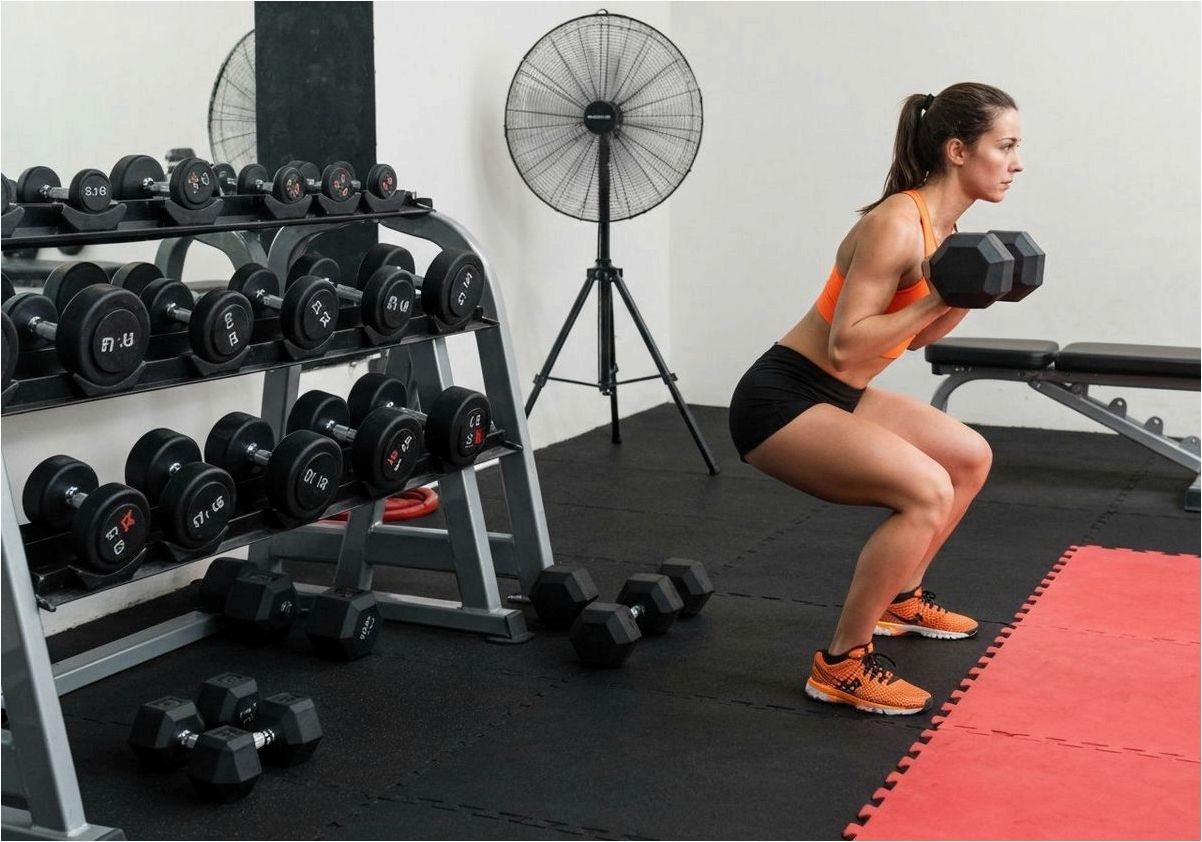
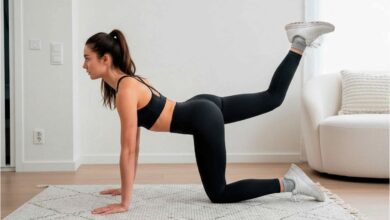
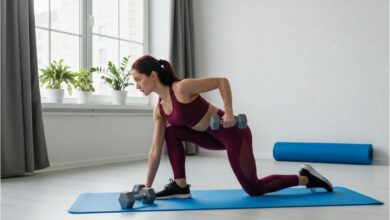
Many women include exercises such as bridges, lunges, squats, and resistance band workouts in their training routines in an effort to achieve toned and rounded glutes. But can an excessive focus on these exercises be harmful? The answer is yes, and the consequences can go far beyond ordinary muscle soreness.
Article contents:
- Causes of one-sided muscle development
- Anatomical features of the glutes: an introduction to the three key
- The “strong glutes” paradox: how easy it is to hurt yourself
- How to recognize muscle imbalance: tips for self-diagnosis
- Balance First: Recommendations for Safe Training
- The optimal frequency for glute workouts without harming your health
- Conclusion: Strong glutes are important, but don’t forget about harmony with your body
excessive or improper gluteal exercises can lead to muscular imbalance—a condition in which some muscles become overly developed and tense, while others become weakened. For example, a constant focus on the glutes can lead to a decrease in the activity and strength of antagonist muscles, such as the hip and lower back muscles. This results in poor posture , reduced flexibility, and an increased risk of injury both during workouts and in daily life.
To avoid these consequences, it is important to follow a few rules:
- Variety in training. Include exercises that target not only the glutes but also the muscle groups that support the hip joint and lower back.
- Proper technique. Pay attention to your body position and perform movements slowly and with control to minimize the risk of overexertion and injury.
- Regular stretching. Stretch your muscles after workouts to restore flexibility and relieve muscle tension.
- Recovery. Don’t skip rest days—your muscles need time to recover and grow.
- A comprehensive approach. Focus on strengthening your core—the abdominal and lower back muscles—which helps properly stabilize the pelvis and reduces strain on the glutes.
Thus, a balanced and well-thought-out approach to training will not only help you effectively develop your glutes but also avoid unpleasant consequences, while improving your overall health and physical function.
Causes of one-sided muscle development
The fast pace of modern life contributes to the development of muscle imbalances. Frequent sitting and insufficient physical activity, as well as focusing on training only specific muscle groups, lead to this phenomenon. The gluteal muscles are particularly vulnerable: excessive strain on them can lead to overstrain, joint dysfunction, and even pelvic misalignment.
According to a study published in the Journal of Physical Therapy Science in 2020, most people exhibit low activity in the gluteus medius and minimus muscles, while the gluteus maximus and quadriceps bear the brunt of the load. This suggests that during workouts, a significant portion of the gluteal muscles may remain in a “dormant” state.
Anatomical Features of the Glutes: An Introduction to the Three Key Muscles
The gluteal region consists of three important muscles:
- The gluteus maximus—responsible for hip extension and forming a significant portion of the gluteal volume.
- The gluteus medius—plays a key role in stabilizing the pelvis during walking and running and is located on the outer side of the pelvis.
- The gluteus minimus—participates in hip abduction and supports pelvic stability.
Beneath them lie small muscles that control hip rotation and pelvic alignment. It is precisely these stabilizers that are often overlooked in training and gradually lose their strength, especially if they aren’t given specific attention.
The “strong glutes” paradox: how easy it is to hurt yourself
A study by the University of Melbourne (Journal of Sports Sciences, 2018) found that even with well-developed gluteal muscles, many athletes still experience instability in the pelvic and lower back regions. This occurs because the muscles, although strong, do not work together harmoniously.
The problem lies not in overtraining the glutes, but in the lack of training for other adjacent muscle groups—the abs, back muscles , hips, and the core as a whole. Because of this, overworked glutes can:
- Press on the sciatic nerve, causing inflammation;
- Disrupt pelvic symmetry, causing a misalignment of the lumbar spine;
- Cause pain in the back, knees, and even feet.
Overactive muscles often become tight and shortened, reducing range of motion and compromising exercise form. This negatively affects the quality of your workouts and increases the risk of injury.
To avoid these negative consequences, it is important to incorporate comprehensive exercises into your training routine that focus on balanced development of the core muscles. Particular attention should be paid to:
- Strengthening the deep core muscles (the transverse abdominal muscles and lumbar muscles), which provide stability to the spine and pelvis;
- Stretching and mobilizing muscles to maintain their elasticity and prevent shortening;
- Regularly working on the muscles responsible for stabilizing the hip and knee joints to reduce the risk of overuse;
- Mindful technique when performing exercises, with control over the position of the pelvis and torso.
In addition, it is helpful to use myofascial release techniques, such as foam rolling and self-massage, to relieve muscle tension and improve blood circulation in the glutes and back.
Thus, a balanced approach to training will not only increase gluteal muscle strength but also ensure they work properly in coordination with other muscles, promoting healthy and efficient movement.
How to recognize muscle imbalance: tips for self-diagnosis
You can identify muscle asymmetry by the following symptoms:
- Differences in the height of the pelvic bones when standing;
- Pain or discomfort in the lower back after a workout;
- A feeling of tightness in the front of the thigh;
- A feeling of “heaviness” or fatigue in the glutes while walking.
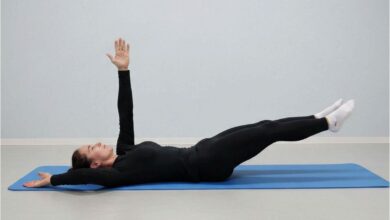
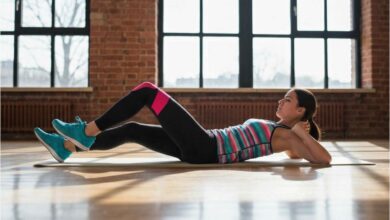
One simple test is to check for activation of the gluteal muscles. Lie on your back, extend your legs, and place your palms under your glutes. Try to contract the right side, then the left side, one at a time, without engaging the thigh muscles. If one side contracts more weakly, there is likely an imbalance.
Balance First: Recommendations for Safe Training
Train Your Whole Body
According to a review in the Strength and Conditioning Journal (2019), the best results are achieved when all major muscle groups are comprehensively included in the workout. Workouts that focus solely on the glutes without addressing the core, legs, and back contribute to muscle imbalances.
It is especially important to strengthen:
- The abs — weak abs force the lower back to take on extra strain;
- The back extensors — for reliable pelvic stabilization;
- The inner thighs — to maintain pelvic balance and knee joint health.
It’s also important to pay attention to your antagonist muscles: for example, balance the work of your glutes with strengthening your hip flexors and the muscles of your core. This will help you avoid excessive strain and maintain optimal biomechanics while performing exercises.
Control Your Pelvic Position and Breathing
The ability to keep the pelvis in a neutral position is key to performing exercises correctly. Imagine your pelvis as a bucket of water that should not tilt forward or backward. Conscious control of the lumbopelvic region and proper diaphragmatic breathing help with this, as confirmed by a study in the Journal of Bodywork and Movement Therapies (2021).
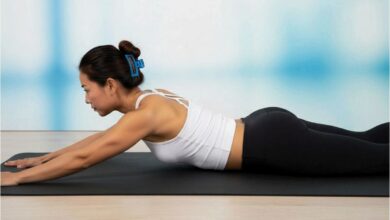
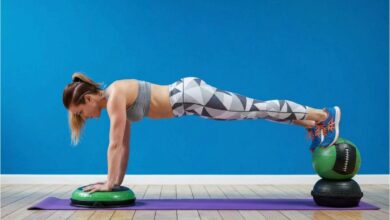
It is also recommended to practice core stability techniques, including planks and low-range-of-motion exercises, to learn how to feel and control the core muscles dynamically.
Don’t Forget the Gluteus Medius and Minimus
A common mistake is ignoring the gluteus medius and gluteus minimus, which play an important role in stabilizing the pelvis during movement. Weakness in these muscles often leads to knock-knees, gait abnormalities, and lower back pain.
- The “Clamshell” exercise;
- Side leg abductions with a resistance band;
- Pelvic lifts with isometric holds.
To activate these muscles more effectively, it is recommended to use light weights or high-resistance elastic bands, as well as to include exercises on unstable surfaces (such as balancing on one leg or on a balance board) .
Incorporate stretching and relaxation exercises
It is advisable to end each session with myofascial release and stretching. This helps restore the muscles’ physiological length, improve joint mobility, and reduce excessive muscle tension.
- Psoas stretch (tabletop position);
- Hip flexor stretch (front of the thigh and iliopsoas muscle);
- Lumbar twists;
- Massage and foam rolling.
It is also recommended to regularly perform breathing exercises and progressive muscle relaxation techniques to reduce stress levels and improve overall recovery. Incorporating yoga practices and gentle dynamic stretches also helps develop intermuscular coordination and prevent injuries.
The optimal frequency for glute workouts without harming your health
It is recommended to work out 2–3 times a week, in line with the guidelines from the National Academy of Sports Medicine. You should take at least one day off between workouts to allow for proper muscle recovery. This routine promotes muscle growth without the risk of overexertion.
The key is to prioritize the quality of your workout over the quantity. Strong muscles are of no use if they cannot be fully activated. Developing neuromuscular connections is the foundation of effective training.
Conclusion: Strong glutes are important, but don’t forget about harmony with your body
The gluteal muscles play a key role in maintaining the health of the musculoskeletal system, ensuring pelvic stability, proper gait, and protection of the knee joints. However, overdeveloping them without balance with other muscle groups carries risks rather than improvements.
Achieving the ideal shape isn’t just about doing bridges and lunges, but also about consciously training your entire body—from your feet to your neck. It is precisely this approach that will make your glutes not only beautiful but also functional.