The Truth About Teeth Whitening Procedure
First, it’s worth understanding why your teeth, which were previously shining white, suddenly acquired a shade of fermented baked milk or a rich tea color. Yellow teeth can appear for two main reasons.
Contents of the article:
the first is the accumulation of plaque, tartar, or deposits near the gums. The second is a change in the color of the tooth enamel itself, in which whitening should act deeper, inside the tooth structure. Regular brushing of your teeth – not only in the morning and evening, but also after every meal – really helps to avoid the hassles associated with visits to the dentist.
However, let’s be honest: not everyone can afford such regularity. Chewing gums with active ingredients, despite loud advertising promises, only partially help remove plaque, and cannot in any way compare with the effect of the classic “tandem” gum. using a toothbrush and toothpaste.
The plaque that appears, which later transforms into tartar, does not appear instantly. It tends to gradually accumulate and take root. To promptly prevent it from becoming firmly entrenched, it is recommended to add intensive cleaning at home to your usual hygiene methods once a week.
To do this, you can simply add a small pinch of regular baking soda to your toothpaste. You can use lemon or tea tree essential oils in the same way. In addition, today stores offer a wide range of whitening pastes containing either soda or other active substances.
If you have sensitive enamel and you react sharply to hot, cold, sweet or sour, then it is recommended to alternate whitening pastes with regular ones, for example, use Colgate Whitening together with Colgate Total.
It is important to remember that teeth whitening is not always suitable for everyone. People with thinned enamel, deep cracks, or severe sensitivity should consult a dentist before beginning any whitening procedure. Excessive use of whitening products on your own can damage the enamel and worsen sensitivity.
It’s also worth paying attention to dietary habits, which affect tooth staining. Frequent consumption of coffee, black tea, and red wine, as well as smoking and tobacco use, significantly contribute to the development of stubborn stains on teeth. Limiting these factors and regular professional dental cleanings will help keep your teeth whiter longer.
In addition to traditional toothpastes and home remedies, modern clinics offer professional whitening procedures, which are performed under the supervision of a doctor and provide faster and more lasting results. However, their cost and possible contraindications require a balanced approach when choosing a method.
Finally, to maintain the achieved results after whitening, it is recommended to use special rinses and toothpastes with strengthening components, such as fluoride or calcium, which help restore enamel microelements and prevent enamel thinning.
Deep cleaning – air-flow
When preventative measures are insufficient, various professional cleaning options designed to remove plaque from the enamel surface come to the rescue. The most popular methods are manual cleaning with special dental instruments and ultrasonic cleaning. Ultrasonic cleaning uses a metal tip that vibrates at a high frequency, effectively cleaning tooth enamel. One form of ultrasonic cleaning is the air-flow method.
This method uses a scaler to remove plaque, delivering a high-pressure jet of air and baking soda, which gently but effectively cleans tooth enamel. However, for those with sensitive enamel, this method can cause discomfort and pain.
Starling expert Vladimir Ermolaev recommends entrusting such procedures only to experienced professionals to avoid damaging the enamel. A hallmark of a professional cleaning is the mandatory polishing of the teeth after the procedure, which is performed with a fluoride toothpaste. This smoothes the surface of the teeth and prevents the reappearance of plaque and tartar. As a result, teeth acquire the stunning, snow-white shade everyone dreams of. Teeth Whitening: From White to Brighter
A truly perfect white shade of teeth is a rare natural phenomenon. However, over time, melanin, a pigment that changes the color of teeth, can accumulate in the enamel. Additional harm is caused by habits of drinking coffee, smoking and taking certain nutritional supplements. The desire for a flawless smile prompts the search for new and more effective methods of whitening.
Teeth whitening: from white to even brighter
This method is considered the only possible option if the color of the enamel is greatly changed (for example, a side effect of the use of certain tetracycline antibiotics) and has become almost brown.
In cases where it is necessary to lighten the enamel by 2-3 tones, special preparations with carbamide peroxide or hydrogen peroxide are used. They break down pigmented molecules, making them colorless. The doctor takes impressions of both jaws and makes a custom mouth guard, which ensures tight contact of the whitening agent with the surface of the teeth.
Next, at home, the patient himself fills the tray with gel and wears it in the mornings and evenings for one to two weeks. The duration of the course and the number of procedures are determined by the initial condition of the teeth and the characteristics of the enamel. You should be careful when purchasing dubious mouth guards with an unknown composition on the market – they can seriously harm your enamel and gums. Therefore, home whitening is best done under the supervision of a dentist.
Whitening can also be performed in the clinic, when the composition is applied directly to the teeth and activated by special methods. To maintain the result, such procedures are recommended to be repeated 1-2 times a year. There are contraindications: the patient’s age is under 18 years, the presence of old fillings, significant abrasion of the enamel, pregnancy and breastfeeding, allergies to the components of the products. Whitening is not recommended to be combined with orthodontic procedures.
It’s also important to understand that healthy oral hygiene significantly impacts the quality and longevity of whitening results. Regular brushing, flossing, and mouthwash help prevent re-staining. After the whitening procedure, it’s recommended to avoid staining foods and drinks for at least 48 hours, including tea, red wine, sauces, and brightly colored fruits.
Furthermore, patients with increased tooth sensitivity may experience discomfort after whitening. To minimize this discomfort, dentists recommend using special toothpastes for sensitive teeth and avoiding excessively hot or cold foods in the first few days after the procedure.
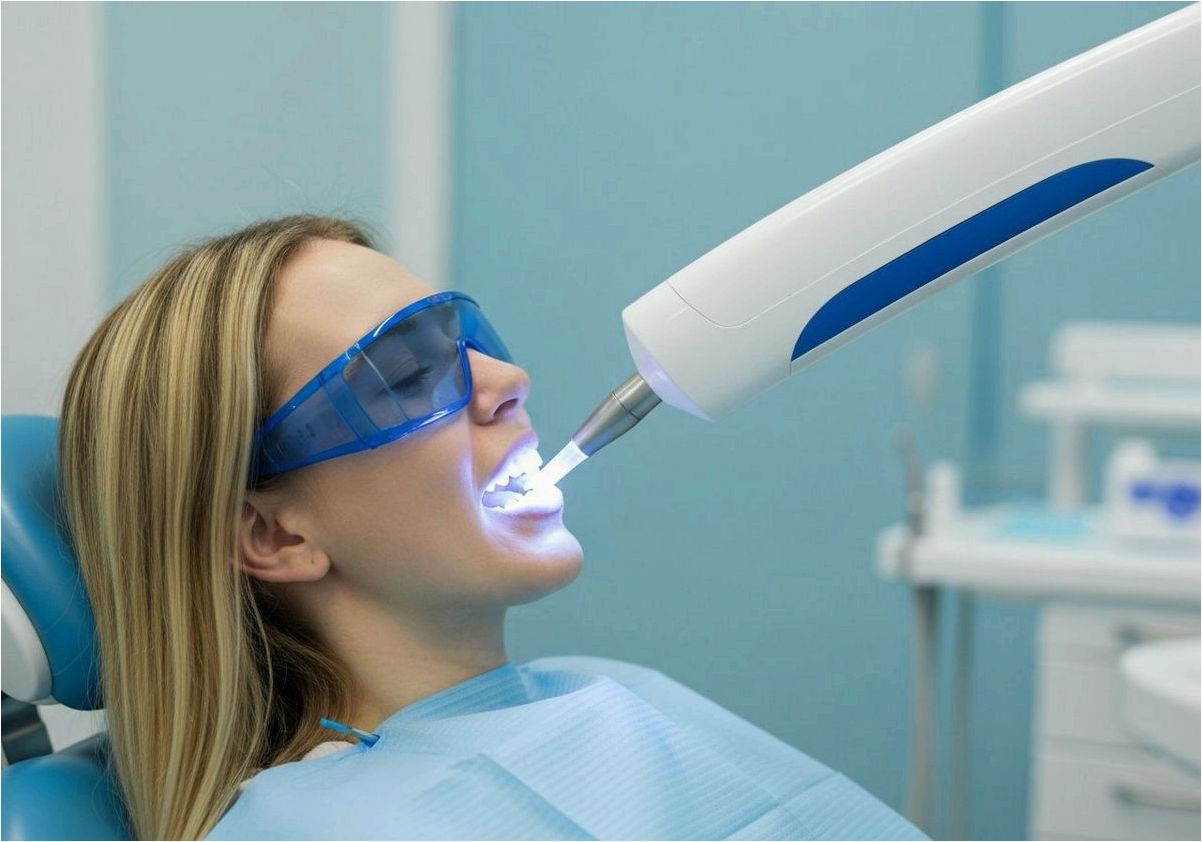
The latest teeth whitening technologies include the use of LED lamps and lasers to accelerate and enhance the effect. A qualified specialist and the correct selection of the method, based on the individual characteristics of the patient, are essential to avoid complications and maintain the health of teeth and soft tissues.
Color Play and Visual Perception
Teeth appear whiter if you choose a lipstick with blue pigments—shades of ripe plum, wine, and burgundy. Warm brown-orange colors—chocolate, coffee, gold, tangerine, and ochre—on the contrary, reduce the visual whiteness of teeth.
Play of shades and visual perception
The Truth About Teeth Whitening