Vitamins for Hair: How to Prevent Seasonal Hair Loss
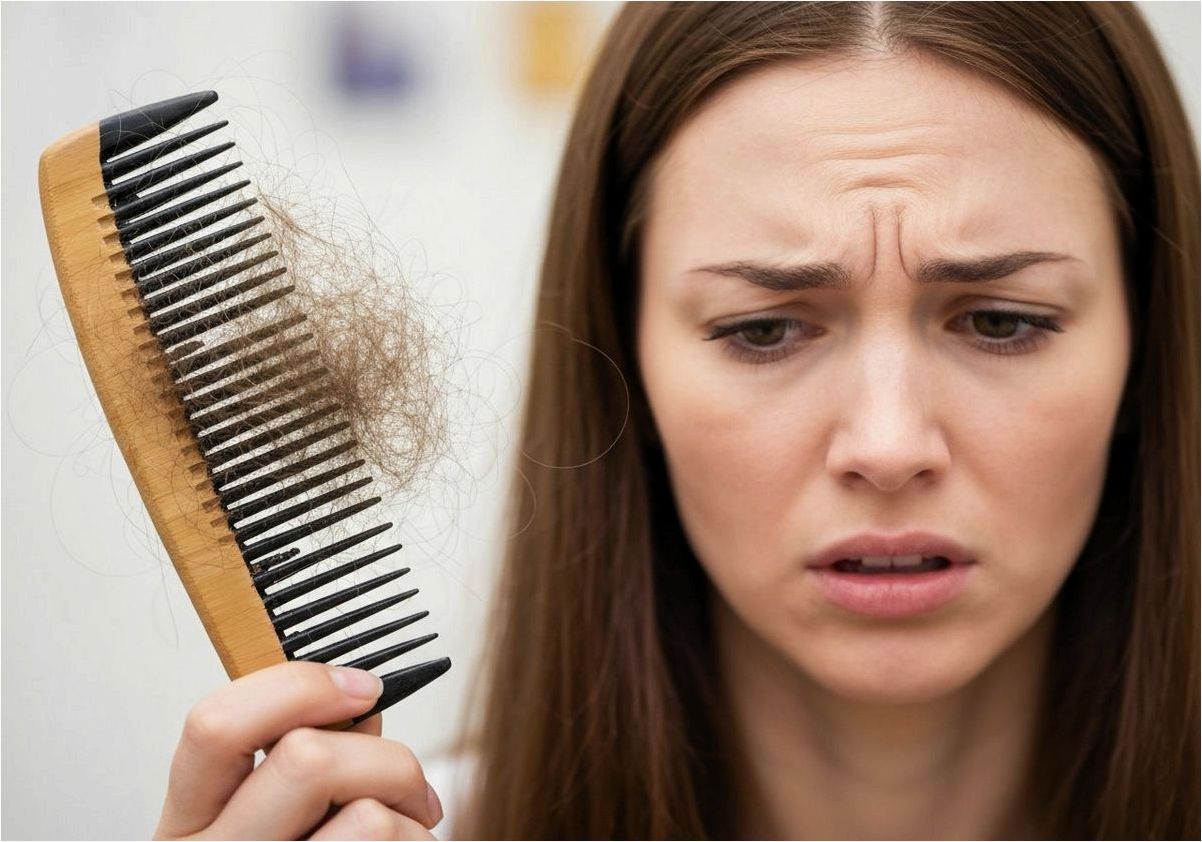
Our bodies constantly respond to both external conditions and internal changes. Seasonal hair loss is not considered a medical condition. This process can last up to two months and does not harm natural hair growth. In the fall and winter, the amount of hair loss increases—this is due to vitamin deficiencies and an increased risk of colds. Early spring, when temperatures fluctuate frequently, is also a period of increased hair loss. Seasonal hair loss is a natural phenomenon. Despite the increase in shedding, it occurs evenly across the entire scalp and often goes unnoticed.
Article Contents:
to support your hair during periods of seasonal shedding, it is important to provide your body with the necessary vitamins and minerals. Key vitamins that help strengthen hair include:
- Vitamin A — supports normal sebaceous gland function, moisturizes the scalp, and promotes hair growth.
- B vitamins (especially B7—biotin)—improve blood circulation in the scalp, strengthen hair follicles, and stimulate hair growth.
- Vitamin C—a powerful antioxidant that protects scalp cells from damage and promotes collagen production.
- Vitamin D supports the hair growth cycle and helps prevent premature hair loss.
- Vitamin E improves blood circulation and promotes the repair of damaged hair.
In addition to vitamins, important trace elements include iron, zinc, and selenium. A deficiency in these nutrients can lead to worsening hair condition and increased hair loss. To prevent seasonal hair loss, a balanced diet is recommended, including fresh vegetables, fruits, nuts, fish, and whole grains. It is also helpful to regularly use moisturizing and strengthening products for the hair and scalp.
In cases of severe hair loss, it is advisable to consult a trichologist, who can help identify possible causes and prescribe appropriate treatment or vitamin supplements, taking into account the individual characteristics of the body.
Why Seasonal Hair Loss Occurs
There are always several causes, and they are closely interrelated. Some of them are beyond our control, but we can help the body cope with this period more easily.
- Stressful situations — a significant portion of the body’s resources is devoted to recovery, which means the hair receives less protection. Stress intensifies before the holidays and at the end of the year due to heavy workloads.
- Weather fluctuations — sudden temperature changes add to the stress. For example, frequently moving from the cold into a warm room and vice versa, combined with constantly wearing a hat and sweating.
- Seasonal illnesses — during transitional periods, the risk of colds increases, especially because it’s difficult to choose the right clothing. The fall months are often accompanied by outbreaks of viral infections. Additionally, some cold medications can exacerbate hair loss.
- Vitamin deficiency—often an unnoticed problem that manifests to varying degrees in different seasons. This aspect is given special attention in the following section.
As you can see, these factors are interrelated, so a comprehensive approach is needed to address them. For effective help, we recommend consulting a trichologist.
Vitamins Essential for Hair Health
Keep in mind: if your body isn’t deficient in vitamins, your hair will cope better with seasonal stress.
Vitamin A. Promotes the production of keratin—the primary protein in hair responsible for its strength and flexibility. Thanks to vitamin A, hair grows faster and remains strong.
- Sources: liver, sweet potatoes, carrots, spinach, pumpkin, and cabbage.
B vitamins. Vitamins B6, B12, and folic acid promote the formation of red blood cells, which transport oxygen to the hair follicles. This improves blood flow and stimulates hair growth. Biotin (B7) deserves special attention, as it regulates sebum production and prevents dandruff and seborrhea. Combined with keratin, biotin strengthens hair and gives it a healthy shine. The entire complex of B vitamins is important for hair health.
- Sources: whole grains, nuts, legumes, seeds, green vegetables, and saltwater fish. Biotin is also found in eggs, almonds, peanuts, avocados, liver, cheese, and dairy products.
Vitamin C. A powerful antioxidant that protects hair from damage. It strengthens hair follicles and adds shine to your locks. A deficiency leads to dry and brittle hair.
- Sources: citrus fruits, cabbage, seasonal berries, broccoli, bell peppers, apples.
Vitamin D. Promotes the absorption of iron, which is essential for hair growth. It plays a role in the production of sebum, preventing dryness and dandruff. A deficiency can lead to hair loss.
- Sources: fatty fish, dairy products, egg yolks, cod liver.
Vitamin E. Helps regenerate skin cells, accelerates healing, and reduces inflammation. This antioxidant protects against UV radiation and free radicals, promoting strong hair growth.
- Sources: vegetable oils, nuts, seeds, avocados, cabbage, spinach.
In some cases, you can take dietary supplements and over-the-counter vitamin complexes. Be sure to consult your doctor and get tested before starting any supplements.
Hair Care During Seasonal Transitions
To prevent seasonal hair loss, it is sometimes necessary to change your usual hair care routine.
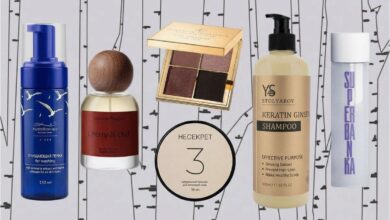
- Shampoos and conditioners: look for products containing vitamins B3, B6, and B8 (biotin), panthenol (for nourishment and softening), and zinc (which regulates sebaceous glands). These products are usually labeled as “anti-hair loss.” Their purpose is to normalize sebum production and improve microcirculation in the scalp.
- Masks: Enriched with keratin and vitamins A and E to effectively protect hair from breakage and dryness. They may also contain ceramides—lipids that nourish the hair. These masks are typically marketed as restorative.
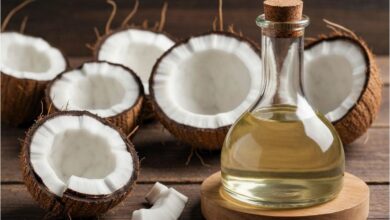
- Oils: contain vitamins B6, B2, B3, zinc, panthenol, and natural oils (argan, coconut, jojoba) that nourish and moisturize the hair. Vitamin E provides protection and repair.
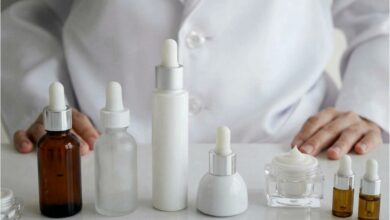
- Serums and lotions: contain biotin, panthenol, hyaluronic acid, vitamins C and E, zinc, and B6. They help stimulate blood circulation and hair growth, as well as restore the scalp.
This set of products will be a good complement to a healthy diet. If hair loss does not improve after two months, it is recommended to consult a trichologist.
Useful recommendations for preventing hair loss
Follow the basic principles of a balanced diet—this has a positive effect on your body and overall well-being.
- Ensure you get adequate rest and enough sleep to reduce stress and anxiety.
- Choose your hair care products carefully.
- Drink water regularly throughout the day.
- Stay active—it’s especially important to take walks if you have a sedentary job; it’s best to vary your routes.