Mineral Makeup: A Detailed Analysis of Its Characteristics with an Expert
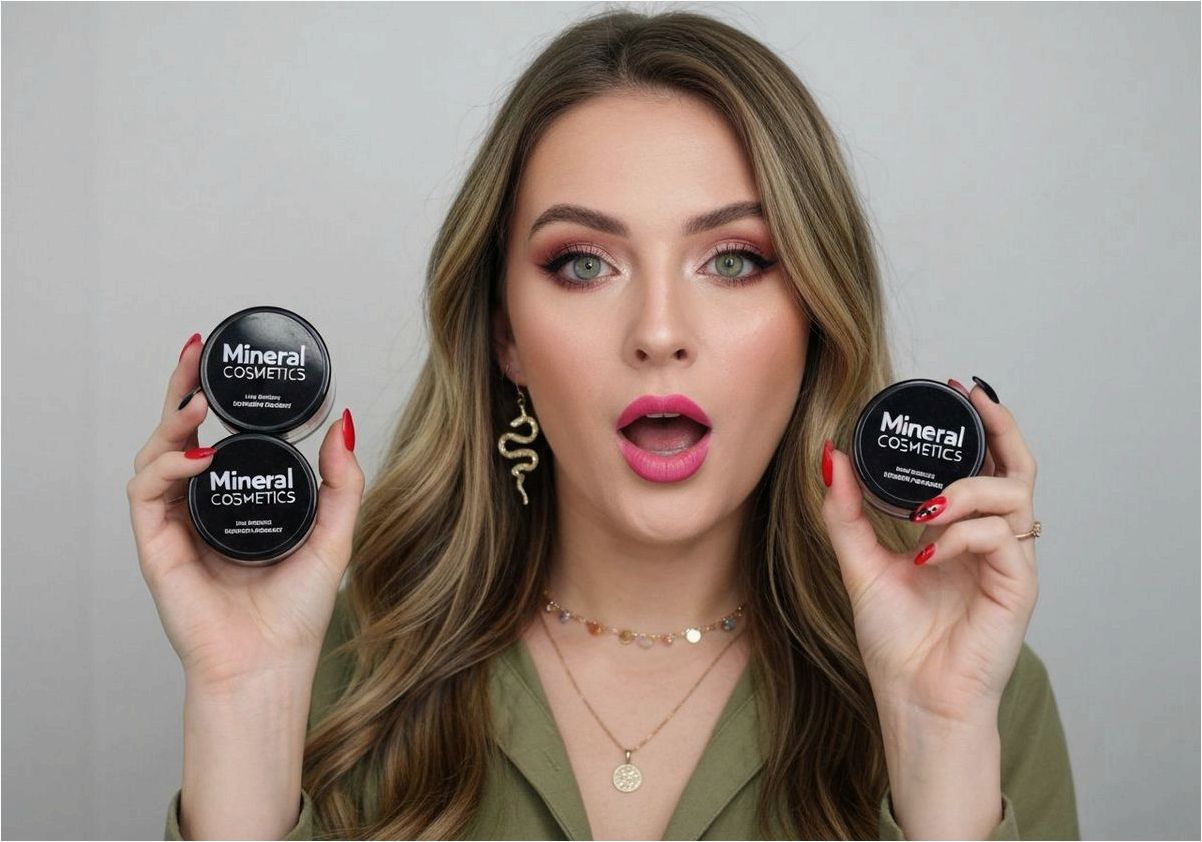
Mineral cosmetics are a simple and affordable way to create a natural makeup look, giving a “no makeup” effect. Together with expert Anastasia Fedosova, founder of the natural cosmetics brand Ecomake, we decided to explore what mineral cosmetics include and how they differ from traditional makeup products.
Article Contents:
Mineral makeup is based on natural ingredients—milled minerals in powder form. These components provide an even coverage, conceal imperfections, and are safe for healthy skin. However, not all cosmetics labeled “mineral” available in stores today are truly natural. Many manufacturers, including both premium and budget brands, add synthetic ingredients to these products—silicones, fragrances, and preservatives—which can cause allergic reactions, breakouts, and clogged pores.
If you’re looking to switch to a more gentle makeup that respects the skin’s natural hydrolipidic barrier and doesn’t clog pores, look for natural formulas and carefully examine the ingredients. True mineral makeup typically comes in loose powder form. It must contain natural minerals—you can find these by looking for words like “mica,” “magnesium stearate,” “zinc oxide,” and pigments. These ingredients allow the makeup to perfectly match your skin tone, offer hypoallergenic properties, accelerate inflammation relief, and last longer on the skin’s surface.
It is recommended to avoid cosmetic products containing talc, as this ingredient clogs pores and disrupts the skin’s pH balance and water balance.
Advantages and Disadvantages of Mineral Cosmetics
Mineral cosmetics are, on the one hand, the safest type of makeup and are also easy to use. However, on the other hand, comfortable and effective application requires experience and skill.
- Mineral products glide on the skin like a light, transparent veil, imparting an even tone and highlighting a natural beauty. They are suitable for absolutely everyone, regardless of skin type and age, including sensitive and problematic skin. However, it’s important to remember that before applying mineral makeup, skin must be thoroughly prepped—cleansed and moisturized with a cream or serum—to avoid excessive dryness and accentuated imperfections.
- The loose texture intimidates many because of the dusting effect during application, and it’s also unclear how much product to apply and what tools to use. In reality, it’s simple: a densely packed brush is needed for applying primer and powder, while a fluffy, soft brush is needed for blush, highlighter, and bronzer. If there’s excess on your face, it can easily be removed with a brush, and simply brushed off clothing. Plus, this makeup won’t create a “mask” effect; even a beginner will get velvety, rested, natural-looking skin that, thanks to the minerals, will breathe freely.
- The shade selection of mineral makeup may seem limited—brands typically offer no more than three or four powder shades. Don’t worry—the shades are designed to create the most natural skin tone. Furthermore, each collection offers universal shades that suit most skin tones. If in doubt, use samples, swatch on your skin, or ask the brand’s consultants for help.
- Mineral products have the ability to protect the skin from UV rays. They typically contain an SPF of around 15, which is sufficient for urban environments. For greater protection, it is recommended to apply sunscreen before applying makeup.
- Makeup made with mineral makeup lasts long throughout the day. For extra staying power, try these eco-makeup artist tricks: apply a primer first as a base, then spray floral water on top to set the makeup.
Mineral Cosmetics Review
The selection of mineral makeup is just as good as mass-market options and allows you to create a complete makeup look. You can use several products at once or create a subtle look using just one, such as highlighter or blush. The essential cosmetics include:
- Corrector and concealer – essential for covering blemishes, breakouts, and pigmentation changes; Thanks to natural minerals, they do not cause irritation and are suitable even for sensitive skin;
- Highlighter – gives the skin radiance and subtle shimmer; mineral components provide a natural shimmer without clogging pores;
- Eyeshadows and glitters – do not crease, blend quickly, apply evenly, and are environmentally friendly; many products are enriched with natural oils and extracts for additional skin care;
- Makeup bases and powder – protect, even out skin tone, conceal minor imperfections, and create a pleasant velvety finish without a feeling of tightness; Mineral foundations often contain sunscreens, which help protect the skin from UV rays;
- Primer – provides base coverage and increases the wear of all makeup; mineral primers restore skin balance and reduce shine;
- Blush – gives the face a fresh and expressive look, while its soft powdery texture provides a natural, subtle color without a mask-like effect.
Mineral makeup is well suited for those with sensitive and allergy-prone skin, as it does not contain parabens, fragrances, silicones, or other harsh ingredients. Furthermore, these products typically have a longer shelf life and have a more natural composition, making them an attractive choice for those who care about the health of their skin and the eco-friendliness of their products.
Easy_everyday_makeup_in_5_minutes:_step-by-step_guide
For a neat, even makeup look without flaking or breakouts, follow these instructions for applying mineral products:
- Start by cleansing your skin with micellar water, then wash your face. Apply a moisturizer or serum and let it absorb.
Tip: Choose moisturizers with a lightweight texture to prevent makeup from creasing and to help your makeup last longer. - To even out your skin tone, apply a small amount of powder to your brush, tap the brush against the edge to remove excess, and apply makeup using circular motions over your face. Important: Focus on areas with increased pigmentation—the forehead, nose, and chin—for a natural result.
- Conceal imperfections like dark circles, blemishes, and breakouts with concealer, carefully applying under the eyes and along the sides of the nose.
Tip: Using a brush with fine, dense bristles will make application easier—it will create an even, weightless layer. - Add dimension with bronzer (from the center of the face outward), blush (on the apples of the cheeks, blending toward the temples), and highlighter (on the tops of the cheeks, bridge of the nose, above the lip, and in the inner corner of the eye).Tip: For a fresher look, choose blush in peach or soft pink shades—they suit most skin tones.
- Apply a light coat of mineral eyeshadow and mascara to your lids to create a more defined look and complete your look.
We recommend using mascara with a volumizing and lengthening effect, and for mineral eyeshadow, neutral shades (beige, brown, soft pink) that will highlight the natural beauty of the eyes.
Additional tips for long-lasting makeup:
- Before applying makeup, you can use a primer under mineral products – it will create an invisible film and increase wear.
- Avoid applying too thick a layer of powder to avoid a mask-like appearance.
- For sensitive skin, choose hypoallergenic mineral products with minimal chemical additives.
- Remember to regularly clean your brushes and sponges – this will help prevent breakouts and maintain healthy skin.