Treasures of the deep sea: cosmetics containing algae
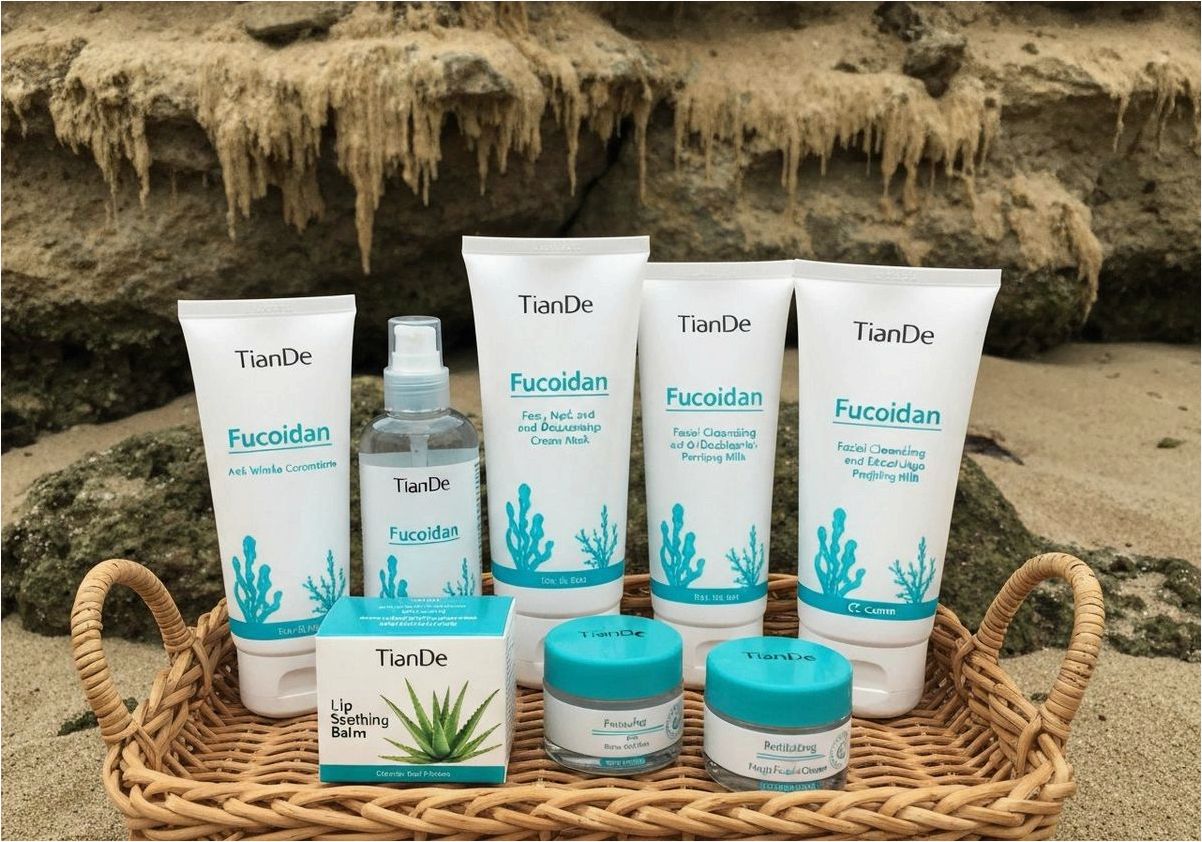
Plants that have lived in the oceans for hundreds of years have a powerful rejuvenating effect – whether applied externally or eaten. Their effect is not limited to smoothing wrinkles and fighting cellulite. In a study entitled “Beneficial Effects of Marine Algal Compounds in Cosmeceuticals” (“Positive influence of seaweed in cosmeceuticals”), conducted by scientists from Pukyong National University, confirmed the anti-inflammatory and even anti-cancer properties of these sea plants.
Contents of the article:
today, seaweed is becoming a key ingredient in many cosmetic products. Entire lines and brands are created based on them. According to Korean researchers, interest in this natural resource will only grow. Interestingly, Heliae Development, a company specializing in the production of biofuels from algae, recently announced plans to apply its own advanced technologies to create cosmetics.
“Scientific evidence confirms that algae can stabilize minerals that maintain skin hydration,” says Randy SCHUELLER, biochemist and editor-in-chief of The Beauty Brains. “In addition, they have an anti-acne effect, reducing sensitivity and reducing the skin’s tendency to irritation.”
“Millions of years of living on the surface of the sea have taught these organisms to protect their DNA from harmful environmental factors. Similar mechanisms are useful for human skin,” confidently notes Marken ALEXIADIS-ARMENAKAS, a dermatologist.
“When choosing cosmetics with sea plants, it is important to look at where the ingredient is located on the list of ingredients,” says Debra Jaliman, a dermatologist in New York and author of Skin Rules: Trade Secrets From a Top New York Dermatologist. “If it is at the bottom of the list, then its content in the product is minimal.”
Ulva
Green algae of this species are designated in the composition as Ulva Lactuca. Although they do not have strong anti-aging properties, these seaweeds are natural antiseptics and are often added to skin cleansers faces and bodies.
Ulva is rich in B vitamins, vitamin C, as well as minerals such as calcium, magnesium and iron, which help strengthen the skin’s protective functions. Due to its high antioxidant content, this algae is used to moisturize and soften the skin, preventing dryness and irritation. In addition, Ulva Lactuca extracts help accelerate cell regeneration and improve microcirculation, which promotes natural radiance of the skin.
Brown algae
These plants are rich in vitamins (C, B1, B2, B3 and B12) and various microelements. They contain fucosterol, a substance with a pronounced anti-inflammatory effect and the ability to fight pigmentation, says Jaliman. — Scientists have proven that brown algae improves moisture retention in the skin by inhibiting enzymes responsible for the breakdown of hyaluronic acid molecules in the body. Likewise, they prevent the activation of enzymes that destroy collagen, which is responsible for skin elasticity.”
Red algae
An indispensable component of cosmetics aimed at soothing the skin, removing redness and eliminating swelling. The red hue of these plants is due to their high beta-carotene content, which is known for its anti-inflammatory properties. Red algae is also often included in product formulas for sensitive and rosacea-prone skin.
Sea fennel (dill)
This unusual representative of coastal vegetation grows on rocky sea cliffs and contains a unique complex of vitamins A, C and E – powerful fighters against symptoms skin aging : wrinkles, loss of firmness and dull complexion. “The chlorogenic acid contained in the composition is a strong antioxidant,” notes Jaliman.
How to choose cosmetics with algae
Check the concentration of the algae extract. The level of the active ingredient should be prominently displayed on the ingredients list or on the packaging. Lack of specific data often indicates minimal algae content and reduced efficiency.
Study the origin of raw materials. Cosmetics with certified organic algae from environmentally friendly regions provide safe and high-quality effects on the skin. Extracts from industrial or unidentified sources may contain contaminants.
Pay attention to additional components. The combination of algae with moisturizing agents (hyaluronic acid, panthenol) or antioxidants (vitamins C and E) enhances the effect and prolongs the effect of the treatment.
Check expiration dates and packaging. Plastic tubes with a sealed lid better preserve the freshness of extracts. Products with an expired date or low level of protection lose their activity and may irritate the skin.
Read reviews and recommendations from users with similar skin types. Real experience helps you evaluate how suitable cosmetics are for you and what kind of reaction it causes.