Moscow Fashion Week: Collection Reviews, Fashion Trends, and Stylist Recommendations
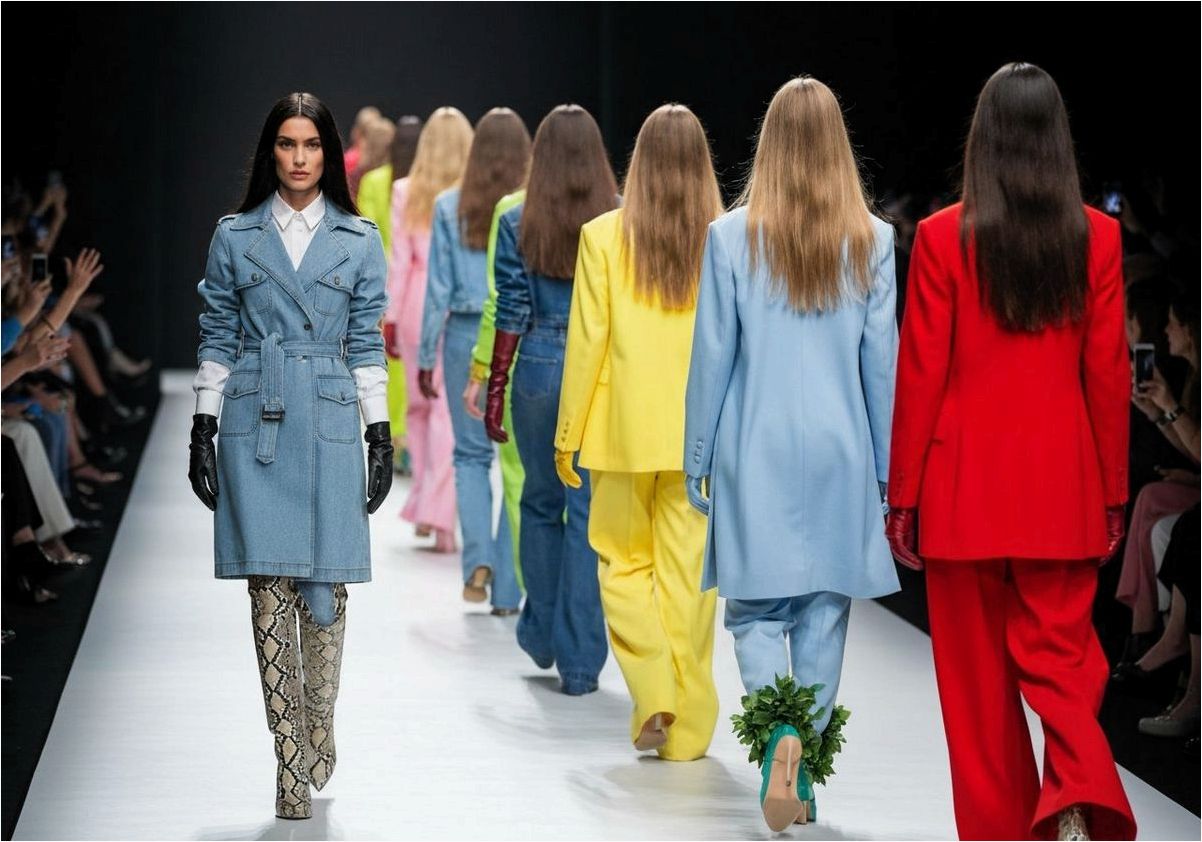
Vibrant colors, dresses with unusual geometric patterns, ethnic motifs, as well as delicate lace and embroidery—Russian designers have once again proven that they can compete with established European fashion houses more than 450 Russian designers presented their creations at Moscow Fashion Week. Despite the uniqueness of each brand, several common trends can be identified. What are the main trends, and how can you refresh your wardrobe?
KARTASHOVA. Evgeniya Kartashova, designer of the KARTASHOVA brand, presented the Out of Time collection, inspired by deconstructivism in fashion, art, and architecture. On the runway, viewers saw minimalist dresses with graphic floral prints, jackets with a feather-like effect, tops with voluminous diamond-shaped embroidery, and designs featuring corsets and original voluminous elements. The main colors were black, white, red, and bronze. The collection utilized natural fabrics such as cotton and viscose, which served as a kind of “building material” for creating new forms. The designer actively employed monumental structures and classic cuts, enlivening them with expressive details—fringes and voluminous waves.
LESEL. The LESEL brand is positioned as luxury ready-to-wear, targeting women over 45. The brand’s philosophy is rooted in a respect for femininity and “intellectual style.” Designer Larisa Vladimirova eliminates unnecessary details, creating the most comfortable and harmonious designs that reflect the individuality of every woman who wears them. The show featured looks with midi skirts, a wide range of knitwear, outerwear—coats, voluminous quilted jackets, raincoats, plus-size dresses, long sweaters, culottes, and pants. Special attention is paid to textures: the interplay of matte and iridescent fabrics, ribbed surfaces, and flowing materials. The collection’s color palette included green, purple, blue, and classic black, while the prints featured abstract patterns and plaid.
Semiletova. This Moscow-based brand, founded by Maria Semiletova, a graduate of the British School of Design, is known for its strong commitment to ethical fashion and environmental sustainability. The new collection featured jumpsuits with a luxurious sheen, loose summer dresses, jackets, tunics, skirt suits, corsets, and lightweight bomber jackets with a feminine silhouette. Eco-leather, cotton, organza, and silk were used in production, giving the pieces a special softness and elegance. The collection’s main colors: white, silver, gray, mint, and black.
Venera M. At Moscow Fashion Week, the Venera M. brand, founded by Venera Minnikhanova, presented the best designs from the brand’s history, including hits from the previous season and new creations. The show featured sequined suits, sophisticated evening gowns in gold and black tones, fur and suede coats, a long tuxedo, sets consisting of jackets and Bermuda shorts, original mesh vests, jacket dresses, and jumpsuits. The central color of the collection was deep black in matte and glossy finishes, complemented by natural shades of khaki, brown, and beige. The looks were accessorized with chunky earrings, minimalist chains with stones, and leather belts.
EKaterina RinaR. Ekaterina Rinar presented a collection inspired by the spirit of the European “Early Renaissance” and the 570th anniversary of Leonardo da Vinci. According to the designer’s vision, the collection serves as a symbol of embracing global cultural heritage in contrast to the modern “cancel culture” . The show opened with a performance by Bolshoi Theatre prima ballerina Evgenia Obraztsova, after which models appeared on the runway in sweater dresses featuring bold prints of Renaissance-era architectural motifs. Also featured were bright cropped tops paired with skirts, mini-dresses with puffed shoulders, dress jackets, suits with vertical stripes, blazers with abstract floral patterns, vests, shorts, and pants made of chameleon fabric. The looks were complemented by Murano glass jewelry and crisscross chains.

JENESAQ. In her new collection, designer Elena Mezova explored the human spirit’s desire to merge with nature and its harmony. Each piece in the collection was named after a plant or insect. Thus, the runway featured the OSTREIDAE jumpsuit, reflecting the aesthetics of an oyster, the Gimenofor tracksuit, and Amanita dresses and skirts. The audience was presented with loose-fitting shirts, original T-shirts, and textured pants, elongated tops with long sleeves, suits with signature prints, lingerie dresses, straight-cut coats, and oversized jackets. The centerpiece was a model in a black, voluminous dress with a hem made of trash bags, which transformed into a lightweight jumpsuit during a dance performance. Up to 70% of the collection’s materials are recycled.
ANNPOLYAKOVA. The designer presented her interpretation of Siberia’s historical symbols, interwoven with avant-garde elements. The result was a collection featuring architectural accents, layered silhouettes, and abstract designs. Men participated in the show despite the collection’s focus on a female audience—they appeared in loose-fitting dresses, tops, and skirts. The color palette is limited to four shades: black dominates, with bright accents in gold, khaki, and electric blue. The collection includes semi-sheer straight dresses, high-waisted pants, coats with broad masculine shoulders, and classic jackets made from luxurious fabrics. Each piece is designed to help you stride confidently toward new heights.
VALENTIN YUDASHKIN. On the Floating Bridge in Zaryadye Park, maestro Valentin Yudashkin presented his 2022 Haute Couture collection, inspired by the rich jewelry heritage of the Bvlgari house, which has existed for over 130 years. The show featured coats adorned with precious stones and voluminous sleeves, sparkling jackets and suits, floor-length dresses and printed jacket dresses, palazzo pants made of flowing fabrics, and capes with long trains against the backdrop of a sunset. The looks were accessorized with hand-embroidered balaclavas and collars. The standout pieces were dresses adorned with gemstone motifs, embellished with natural pearls and beads, and executed in a black-and-gold color palette.
“I can say with confidence that out of Valentin Yudashkin’s more than 50 looks, 13 could easily be incorporated into an everyday wardrobe. Suits consisting of skirts or pants, kimono robes, tuxedos, and trench coats—all these designs are suitable for everyday wear. The rest of the outfits can be adapted to an urban style if you’re willing and able to do so. For example, a cropped top pairs perfectly with high-waisted jeans, and suit pants look great with a white cotton shirt and sneakers,” advises Marina Semaeva. — Nevertheless, the true pleasure lies in wearing haute couture in the way the designer intended. That is the most harmonious approach.»
General fashion trends and stylist recommendations. Among the general trends, several key directions stand out. First, a focus on sustainability and the use of recycled and natural materials—this reflects the global trend toward sustainable development and responsibility in fashion. Second, combining classic silhouettes with avant-garde details allows for the creation of striking and memorable looks that are easily adaptable to everyday life. Third, an emphasis on diversity and inclusivity, including expanded sizing and a move away from strict gender boundaries, which is evident in the LESEL and ANNPOLYAKOVA collections.
To breathe new life into your wardrobe, stylists recommend experimenting with textures and layers—for example, pairing heavy, structured fabrics with light, sheer ones—and incorporating bold accessories, from statement jewelry to vibrant belts and shoes. Don’t be afraid of bold color combinations and unusual prints—this will help you stand out and highlight your individuality. When choosing clothes, it’s important to focus not only on trends but also on comfort, as well as your own mood and lifestyle.
In addition, pay attention to details: decorative fringe, voluminous sleeves, embroidery, and appliqués—all of these will help add dynamism and expressiveness to your look without the need to completely overhaul your entire wardrobe. For those seeking versatility, the ideal solution is basic pieces with interesting details that can be easily mixed and matched to create a multitude of looks for different occasions.
Thus, Moscow Fashion Week eloquently demonstrates that the Russian industry is ready not only to follow global trends but also to set new directions, combining tradition, innovation, and a deep respect for the spirit of the times.
How to incorporate the featured pieces into your wardrobe
Creating a collection isn’t always just about commercial success and sales figures. For a designer, it’s important to give creative expression to their vision and create true works of art, not just practical wardrobe staples.
“Often, only 50–70% of the items shown on the runway will eventually go into mass production. The rest are bold, eye-catching pieces designed to draw attention to the show and showcase the designer’s creative vision,” explains Marina Semaeva. “If you’ve fallen in love with a bright or provocative piece, you can always ‘tone it down’ with simpler accessories and basic clothing, complemented by understated makeup and natural styling.”
Moscow Fashion Week: Collection Reviews, Fashion Trends, and Stylist Recommendations
Vibrant colors, dresses with unusual geometric patterns, ethnic motifs, as well as delicate lace and embroidery—Russian designers have once again proven that they can compete with established European fashion houses more than 450 Russian designers presented their creations at Moscow Fashion Week. Despite the uniqueness of each brand, several common trends can be identified. What are the main trends, and how can you refresh your wardrobe?
KARTASHOVA. Evgeniya Kartashova, designer of the KARTASHOVA brand, presented the Out of Time collection, inspired by deconstructivism in fashion, art, and architecture. On the runway, viewers saw minimalist dresses with graphic floral prints, jackets with a feather-like effect, tops with voluminous diamond-shaped embroidery, and designs featuring corsets and original voluminous elements. The main colors were black, white, red, and bronze. The collection utilized natural fabrics such as cotton and viscose, which served as a kind of “building material” for creating new forms. The designer actively employed monumental structures and classic cuts, enlivening them with expressive details—fringes and voluminous waves.
LESEL. The LESEL brand is positioned as luxury ready-to-wear, targeting women over 45. The brand’s philosophy is rooted in a respect for femininity and “intellectual style.” Designer Larisa Vladimirova eliminates unnecessary details, creating the most comfortable and harmonious designs that reflect the individuality of every woman who wears them. The show featured looks with midi skirts, a wide range of knitwear, outerwear—coats, voluminous quilted jackets, raincoats, plus-size dresses, long sweaters, culottes, and pants. Special attention is paid to textures: the interplay of matte and iridescent fabrics, ribbed surfaces, and flowing materials. The collection’s color palette included green, purple, blue, and classic black, while the prints featured abstract patterns and plaid.
Semiletova. This Moscow-based brand, founded by Maria Semiletova, a graduate of the British School of Design, is known for its strong commitment to ethical fashion and environmental sustainability. The new collection featured jumpsuits with a luxurious sheen, loose summer dresses, jackets, tunics, skirt suits, corsets, and lightweight bomber jackets with a feminine silhouette. Eco-leather, cotton, organza, and silk were used in production, giving the pieces a special softness and elegance. The collection’s main colors: white, silver, gray, mint, and black.
Venera M. At Moscow Fashion Week, the Venera M. brand, founded by Venera Minnikhanova, presented the best designs from the brand’s history, including hits from the previous season and new creations. The show featured sequined suits, sophisticated evening gowns in gold and black tones, fur and suede coats, a long tuxedo, sets consisting of jackets and Bermuda shorts, original mesh vests, jacket dresses, and jumpsuits. The central color of the collection was deep black in matte and glossy finishes, complemented by natural shades of khaki, brown, and beige. The looks were accessorized with chunky earrings, minimalist chains with stones, and leather belts.
EKaterina RinaR. Ekaterina Rinar presented a collection inspired by the spirit of the European “Early Renaissance” and the 570th anniversary of Leonardo da Vinci. According to the designer’s vision, the collection serves as a symbol of embracing global cultural heritage in contrast to the modern “cancel culture” . The show opened with a performance by Bolshoi Theatre prima ballerina Evgenia Obraztsova, after which models appeared on the runway in sweater dresses featuring bold prints of Renaissance-era architectural motifs. Also featured were bright cropped tops paired with skirts, mini-dresses with puffed shoulders, dress jackets, suits with vertical stripes, blazers with abstract floral patterns, vests, shorts, and pants made of chameleon fabric. The looks were complemented by Murano glass jewelry and crisscross chains.
JENESAQ. In her new collection, designer Elena Mezova explored the human spirit’s desire to merge with nature and its harmony. Each piece in the collection was named after a plant or insect. Thus, the runway featured the OSTREIDAE jumpsuit, reflecting the aesthetics of an oyster, the Gimenofor tracksuit, and Amanita dresses and skirts. The audience was presented with loose-fitting shirts, original T-shirts, and textured pants, elongated tops with long sleeves, suits with signature prints, lingerie dresses, straight-cut coats, and oversized jackets. The centerpiece was a model in a black, voluminous dress with a hem made of trash bags, which transformed into a lightweight jumpsuit during a dance performance. Up to 70% of the collection’s materials are recycled.
ANNPOLYAKOVA. The designer presented her interpretation of Siberia’s historical symbols, interwoven with avant-garde elements. The result was a collection featuring architectural accents, layered silhouettes, and abstract designs. Men participated in the show despite the collection’s focus on a female audience—they appeared in loose-fitting dresses, tops, and skirts. The color palette is limited to four shades: black dominates, with bright accents in gold, khaki, and electric blue. The collection includes semi-sheer straight dresses, high-waisted pants, coats with broad masculine shoulders, and classic jackets made from luxurious fabrics. Each piece is designed to help you stride confidently toward new heights.
VALENTIN YUDASHKIN. On the Floating Bridge in Zaryadye Park, maestro Valentin Yudashkin presented his 2022 Haute Couture collection, inspired by the rich jewelry heritage of the Bvlgari house, which has existed for over 130 years. The show featured coats adorned with precious stones and voluminous sleeves, sparkling jackets and suits, floor-length dresses and printed jacket dresses, palazzo pants made of flowing fabrics, and capes with long trains against the backdrop of a sunset. The looks were accessorized with hand-embroidered balaclavas and collars. The standout pieces were dresses adorned with gemstone motifs, embellished with natural pearls and beads, and executed in a black-and-gold color palette.
“I can say with confidence that out of Valentin Yudashkin’s more than 50 looks, 13 could easily be incorporated into an everyday wardrobe. Suits consisting of skirts or pants, kimono robes, tuxedos, and trench coats—all these designs are suitable for everyday wear. The rest of the outfits can be adapted to an urban style if you’re willing and able to do so. For example, a cropped top pairs perfectly with high-waisted jeans, and suit pants look great with a white cotton shirt and sneakers,” advises Marina Semaeva. — Nevertheless, the true pleasure lies in wearing haute couture in the way the designer intended. That is the most harmonious approach.»
General fashion trends and stylist recommendations. Among the general trends, several key directions stand out. First, a focus on sustainability and the use of recycled and natural materials—this reflects the global trend toward sustainable development and responsibility in fashion. Second, combining classic silhouettes with avant-garde details allows for the creation of striking and memorable looks that are easily adaptable to everyday life. Third, an emphasis on diversity and inclusivity, including expanded sizing and a move away from strict gender boundaries, which is evident in the LESEL and ANNPOLYAKOVA collections.
To breathe new life into your wardrobe, stylists recommend experimenting with textures and layers—for example, pairing heavy, structured fabrics with light, sheer ones—and incorporating bold accessories, from statement jewelry to vibrant belts and shoes. Don’t be afraid of bold color combinations and unusual prints—this will help you stand out and highlight your individuality. When choosing clothes, it’s important to focus not only on trends but also on comfort, as well as your own mood and lifestyle.
In addition, pay attention to details: decorative fringe, voluminous sleeves, embroidery, and appliqués—all of these will help add dynamism and expressiveness to your look without the need to completely overhaul your entire wardrobe. For those seeking versatility, the ideal solution is basic pieces with interesting details that can be easily mixed and matched to create a multitude of looks for different occasions.
Thus, Moscow Fashion Week eloquently demonstrates that the Russian industry is ready not only to follow global trends but also to set new directions, combining tradition, innovation, and a deep respect for the spirit of the times.
How to incorporate the featured pieces into your wardrobe
Creating a collection isn’t always just about commercial success and sales figures. For a designer, it’s important to give creative expression to their vision and create true works of art, not just practical wardrobe staples.
“Often, only 50–70% of the items shown on the runway will eventually go into mass production. The rest are bold, eye-catching pieces designed to draw attention to the show and showcase the designer’s creative vision,” explains Marina Semaeva. “If you’ve fallen in love with a bright or provocative piece, you can always ‘tone it down’ with simpler accessories and basic clothing, complemented by understated makeup and natural styling.”