Learning Yoga on Your Own: Where to Start
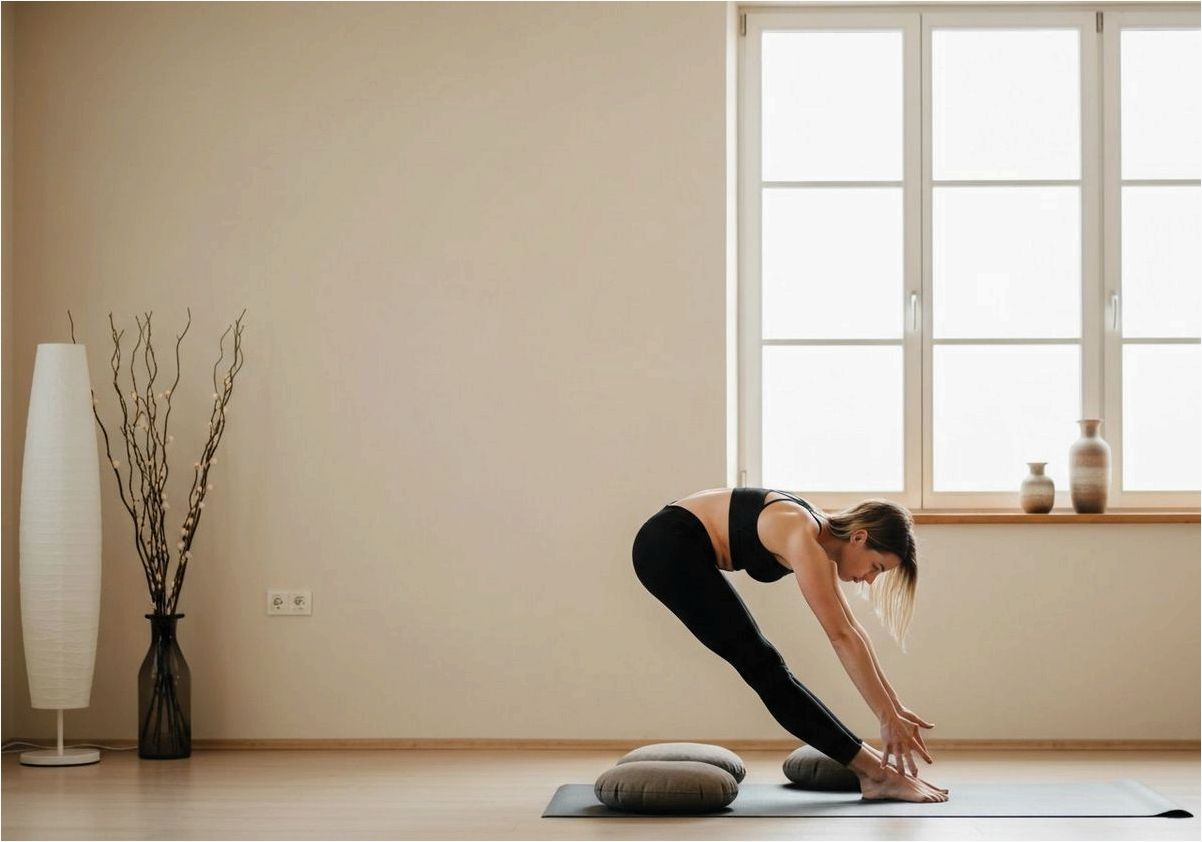
Lately, more and more people are choosing to practice yoga at home. It’s a convenient way to relax your mind while strengthening your body. Thanks to the popularity of mobile apps and online classes, it’s become much easier to connect with the global yoga community. Let’s chant the sacred “Om” together ?
Article contents:
the beauty of yoga is that all you need to learn asanas is a mat and the right knowledge. This makes practicing at home accessible to virtually everyone! That’s why interest in private lessons is growing worldwide, and thousands of fitness enthusiasts are setting up their own yoga studios right in their apartments. According to data from the well-known fitness portal Grokker, downloads of yoga apps have nearly doubled over the past year. Practicing at home is the simplest and most convenient way to exercise, and modern technology makes it possible to invite an instructor from anywhere in the world. But it’s not just about convenience: by working at your own pace and on your own, you can gradually and consistently improve your technique. Plus, the home environment (after all, “home is where the heart is”) helps you feel confident and at peace. “Yoga at home is a wonderful opportunity to deepen your skills and explore new directions in your practice,” notes Kelly Miller, Marketing Director of the YogaGlo app.
Find a personal trainer
“You’re not limited to a single style or studio, which gives you the freedom to choose the style of yoga that best suits your body and mind,” says Amanda Fites, a yoga instructor from Nashville who works with clients through the platform www.thumbtack.com. “You can find an instructor for private lessons, either in person or online, through resources like www.mostrener.ru and myopenyoga.ru—the cost of a one-hour private lesson usually ranges from 400 to 600 rubles.” If you’re fluent in English, you might want to check out American online services like YogaGlo, where a monthly subscription costs about 1,450 rubles. Most of these platforms have handy filters to help you find an instructor based on your level, pace, intensity, and class times.
For general fitness practices, it’s best to choose Hatha yoga—a gentle style with a basic set of poses. If you’re looking for truly personalized lessons, book your first session using the filters to select an instructor and discuss your goals with them. This way, you can develop your own approach and focus on the specific areas that need attention.
Practice at your own pace
Group classes often don’t give the instructor enough time to thoroughly go over each pose with a student and correct mistakes. “Private lessons at home or via video call allow the trainer to assess your individual level and gradually adjust your technique, helping you build strength and flexibility,” shares Yana Bozmen, a yoga instructor from Brighton who works through the Thumbtack platform. “This type of instruction accelerates progress.” And most importantly, it’s your own time—unlike group classes, here you can pause at any moment, ask questions, or watch an instructional video on a difficult asana.
Set up a home studio
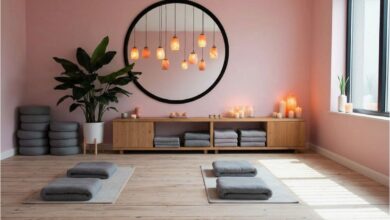
“Setting up a dedicated space for practice at home makes it easier to maintain a regular practice,” says Stephanie Snyder, founder of Love Story Yoga in San Francisco. “A specially equipped area allows you to get into your practice quickly and motivates you not to skip sessions.”
“Set aside a small space near a wall so you can comfortably perform inversions and relax after a stressful day,” advises Fites.
Add scented candles, an essential oil diffuser, or a vase of fresh flowers and herbs to your practice corner to create a pleasant atmosphere. Keep in mind that mint is invigorating and suitable for the start of your workout , while lavender promotes relaxation—its essential oil is best used before performing meditative asanas. “The scent you choose should help you concentrate,” emphasizes Amy Opilowski, senior manager at Core Power Yoga.
Take a break from everyday worries
It’s much easier to tune into your inner self and block out distracting thoughts at home than in a crowded group class. “Yoga is a time to calm down, focus on yourself, and listen to your body’s signals,” — says Snyder. “By focusing during your practice, you’ll more easily identify areas of tension and be able to adjust your workout,” adds Goldie Graham, a yoga instructor from San Diego. “With private lessons, you have the opportunity to discuss how you’re feeling and get help with proper breathing and relaxation. By the time you reach the shavasana relaxation, you’ll feel such inner peace that you might even take a quick nap—after all, you’re at home!”
Follow a structured plan
“If you’re a beginner and plan to learn yoga through apps, start with short sequences and repeat them several times,” recommends Sarah Levy, co-owner of 7 Studio in New York. “This is an easy way to gradually get used to the poses and improve your technique. These sessions won’t be too intense, but they’ll engage all muscle groups ». Sarah recommends preparing four different mini-sequences of five or six asanas and performing them one after another. If you’re unsure, start with the classic “Sun Salutation” sequence. Later, you can make it more challenging with small variations. “Beginners should practice for about an hour twice a week, gradually increasing the duration and intensity of their workouts. Music helps set the right mood, but there are no hard-and-fast rules—if you feel more comfortable with hip-hop, practice to that!”
Don’t forget that not everyone finds it easy to master yoga through remote learning. It might be worth taking an introductory course at a studio first to understand how the poses should feel. Only then should you confidently continue practicing at home.