Massage Rollers: Myths and Reality About Their Benefits
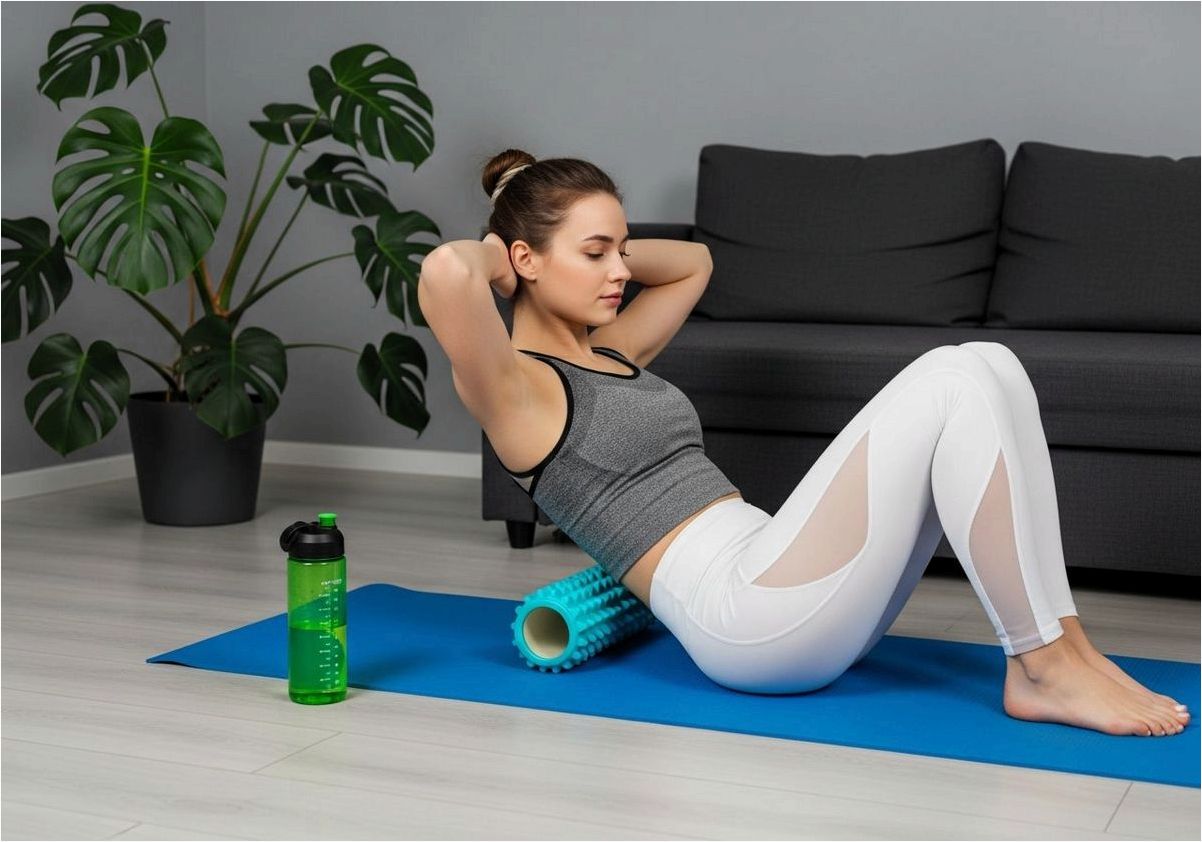
Today, massage rollers are widely used by professional athletes, fitness enthusiasts, and rehabilitation specialists alike. Their primary purpose is myofascial release—that is, helping tissues recover after physical exertion. But how justified is their use, and are there any associated risks?
Article contents:
How massage rollers work
Rollers apply mechanical pressure to soft tissues, which helps to:
- Improved blood flow;
- Relief of trigger points;
- Increased fascial flexibility;
- Faster muscle recovery after exercise.
As a study published in the *Journal of Athletic Training* (2015) showed, regular use of a foam roller for 20 minutes after exercise effectively reduces the symptoms of delayed-onset muscle soreness (DOMS) and improves joint mobility. Additional data suggests that myofascial release using these devices helps increase range of motion and facilitates recovery after intense workouts.
Proven scientific benefits of massage rollers
- Reduction of muscle pain
This method is particularly effective at reducing delayed-onset muscle soreness, which typically occurs 1–3 days after exercise. A study by the University of Winnipeg (Canada, 2014) showed that participants who used a roller after leg exercises reported less pain and recovered muscle function more quickly. - Increased flexibility and mobility
According to a publication in the Journal of Sports Rehabilitation (2018), 10 minutes of myofascial massage before training helps increase range of motion, especially in the hip and ankle joints. - Stress reduction and relaxation
Deep, slow breathing during a roller massage stimulates the parasympathetic nervous system, which helps you relax and reduce anxiety. Data from the University of Southern California (2020), published in *Frontiers in Psychology*, confirm this effect. - Injury prevention
Regular use of a massage roller helps maintain muscle elasticity and function, which reduces the likelihood of overexertion and injury.
Limitations and potential risks
Despite their many benefits, massage rollers have their drawbacks, which are important to consider, especially if you use them on your own.
- Risk of bruising and microtrauma. Excessive pressure or working on certain areas for too long can damage capillaries, causing bruising and tissue inflammation. According to a study in the Clinical Journal of Sports Medicine (2019), improper use of rollers can negatively affect the condition of the fascia, especially in people with varicose veins or thrombophlebitis.
- Exacerbation of the inflammatory process in injuries. Roller massage is contraindicated during the first two days following strains, tears, or contusions, as pressure may increase swelling and worsen the condition.
- Exacerbation of diseases of the nervous and vascular systems. People with conditions such as osteochondrosis, intervertebral hernias, hypertension, thrombosis, and peripheral vascular disease are advised to consult a doctor before using rollers.
- Pain is not always a sign of effectiveness. Severe pain during a massage is not a desirable outcome. According to Harvard Health Publishing (2021), excessive pressure can cause muscle fibers to contract involuntarily instead of relaxing, which negates the benefits.
Contraindications for using rollers
Before using a massage roller, ensure that none of the following contraindications apply:
- Active inflammatory processes and infectious diseases;
- Thrombosis, varicose veins, and blood clotting disorders;
- Open wounds, burns, and skin conditions in the massage area;
- Pregnancy, especially during the first trimester;
- Cancer (only after consulting a doctor);
- Severe osteoporosis;
- Spinal hernias without prior consultation with a specialist.
Recommendations for safe and effective use of the roller
The optimal duration of use is 5–10 minutes daily, after exercise or on recovery days. Consistency plays a key role in achieving results.
Start with soft rollers and moderate pressure, especially if you are a beginner.
Move the roller slowly—about 1–2 cm per second—to more accurately identify and work on trigger points.
Maintain steady, deep breathing—this stimulates the parasympathetic nervous system and helps relax the tissues. Do not roll the roller over your spine, joints, knees, or pelvic bones. Do not stay in one area for more than 60 seconds.
When can you expect positive results?
Initial improvements in flexibility and reduced muscle soreness usually appear after 1–2 weeks of regular use. For deeper recovery of fascial tissues, such as in cases of chronic tension, 4 to 6 weeks of systematic use will be required.
Choosing a roller based on your goals
Massage rollers are not just a trendy fitness accessory, but a research-backed tool for body recovery. They help relieve muscle pain, improve mobility, and reduce the risk of injury. However, this method is not a one-size-fits-all solution; it is important to consider your body’s specific needs and use the correct technique.
Before starting to use a roller, it is advisable to consult a doctor or rehabilitation specialist, especially if you have chronic conditions or injuries. A proper approach will make rolling an effective and enjoyable part of your health routine.