Secrets to Maintaining Healthy Habits While on Vacation
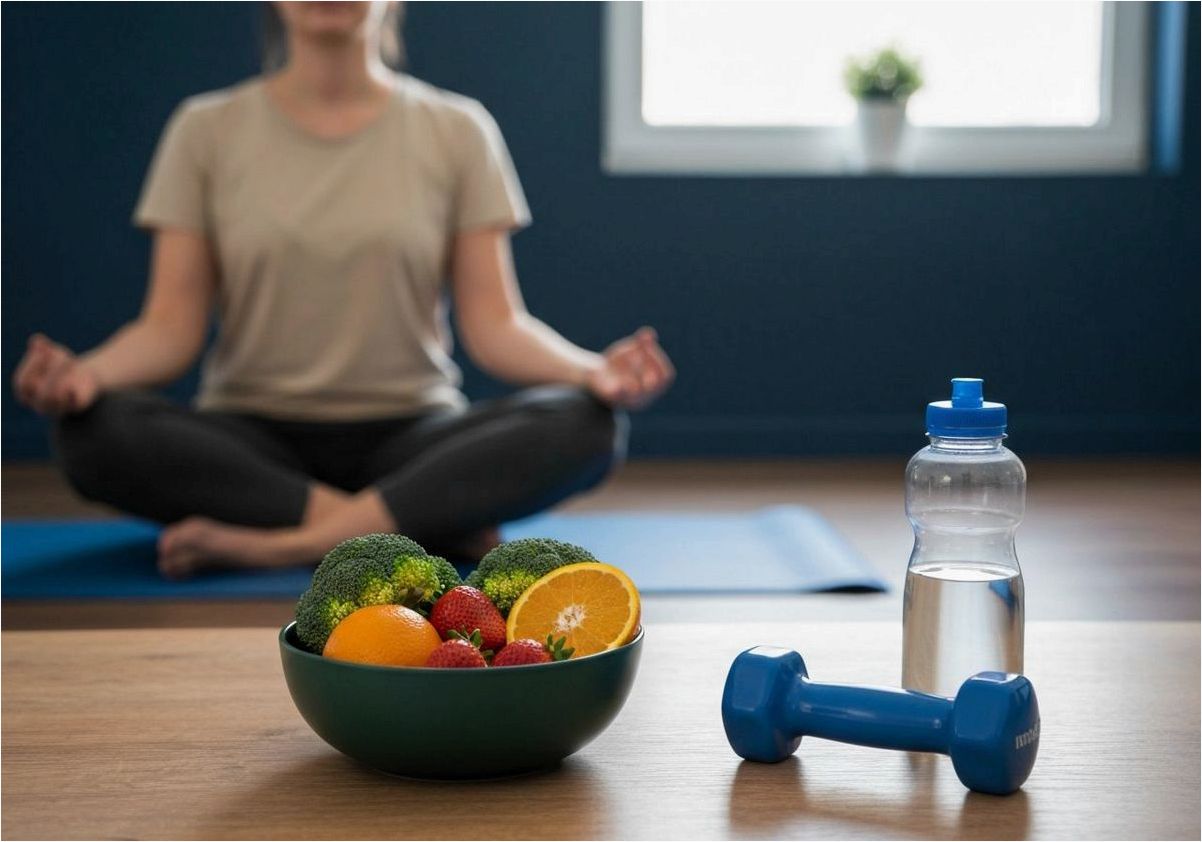
Who doesn’t enjoy traveling? This is a wonderful opportunity to discover a new city, get acquainted with the culture of another country, celebrate a special event, or simply have a change of scenery. However, a vacation doesn’t have to mean giving up healthy eating and exercise entirely. How to maintain a healthy lifestyle balance while traveling?
Contents of the article:
first, plan your meals in advance. Explore local markets and restaurants to find healthy, fresh foods. Don’t be afraid to try new foods, but try to avoid overly fatty and heavy foods.
Secondly, stay active. Walking, cycling or morning exercises will help maintain your tone and improve your mood. Many hotels offer gyms or swimming pools – make the most of them.
In addition, do not forget about the correct drinking regime. Often when we travel, we forget to drink enough water, especially if the climate changes. Bring a reusable water bottle with you and refill regularly.
Lastly, don’t be too hard on yourself. Vacation is a time for relaxation and new experiences. Allow yourself occasional small gastronomic pleasures while maintaining overall balance and a positive attitude. This approach will help not only maintain health, but also return home with a good mood and energy.
Preparing for your trip
In order to stay in shape and adhere to a healthy lifestyle while traveling, you need to properly prepare while still at home.
- Do some research. If you want to continue exercising while on vacation, choose a hotel with an on-site or nearby gym. This will help you understand in advance what equipment will be available and plan your workouts accordingly.
- If you find it impossible to find accommodation near a gym, take compact training accessories with you, such as resistance bands and a jump rope. Resistance bands are ideal for strength training on the road, taking up minimal space in your luggage. And the jump rope will provide excellent cardio exercise right in your room.
- Prepare your sports equipment in advance. If you have limited luggage and decide not to take separate sportswear, use this for training things intended for active recreation – hiking and walking excursions. Some wardrobe items, such as shorts, can be reused. If they get wet, just wash them in cold water in your room – most sports fabrics dry quickly.
- Take massage accessories. If you have room in your luggage, take a massage ball or percussion massager with you. For lovers of a sports lifestyle, such gadgets are useful: they help recovery and maintain vigor, both before training and after long walks.
- Don’t forget about healthy snacks. You can find food at the airport and hotel, but it’s best to bring healthier snacks with you. To help you stay on top of healthy foods, make room in your luggage for snacks and supplements, such as low-sugar protein bars, nuts, or protein powder.
How to exercise effectively on vacation with limited time and space
Even if sport occupies an important place in your life, vacations are not always conducive to long and complex training. The following tips will help you stay active without sacrificing time to relax and learn new things.
Make your workouts easier. When traveling, unexpected situations often arise – flight delays, traffic jams and other stresses. This may cause you to experience additional stress. Try to lighten your training program, choose gentler exercises and enjoy them. Don’t overexert yourself! A simple long walk can replace an intense workout. Movement is key, and achieving 20, 000 steps a day can be a great substitute for going to the gym or running if necessary. Although this figure seems impressive, when sightseeing on foot you will be surprised how quickly you can achieve it.
Use bodyweight circuit training. A quick, high-intensity circuit will help you get both the strength and cardio workout you need on vacation. Make up a set of basic exercises: squats, push-ups, deadlifts, planks. You don’t need to have a gym for such activities—you can easily train right in your room. And if you brought resistance bands with you, turn them on to increase the effectiveness of your workouts.
Make movement a priority. Keep in mind that small physical activities throughout the day help build your fitness credit, improving your endurance, strength, and mobility.
Even if you can’t commit to intense workouts, take advantage of every available moment: a few squats, lunges, or push-ups throughout the day will replenish your fitness bank. Climb the stairs, do push-ups on a park bench, stretch in a chair, or work your glutes lying on the beach.
Make the city your gym. Instead of monotonous jogging in place, go for a jog through the streets and take in the sights. It’s a great way to get to know a new place and stay in shape at the same time. Plan an itinerary in advance that includes interesting sights—this way, you’ll not only explore the city but also achieve your fitness goals.
Also, don’t hesitate to ask the concierge about special training programs or running routes in the area. Many hotels now offer guests unique opportunities for working out and enjoying active recreation during their vacation.
Eating healthy while traveling
Vacation and dining out usually go hand in hand, but that doesn’t mean you should neglect the nutritional value of your food and eating habits.
- Try to avoid alcohol while traveling. Vacation doesn’t necessarily mean drinking alcohol. While a glass of wine may seem pleasant in the evening, it’s best to avoid alcohol on a plane, as it worsens the dehydration that already occurs during flights. If you plan to exercise, hydration should remain a priority. Instead, choose water, freshly squeezed juices, soft drinks, or cocktails.
- Order food in moderation. It’s easy to overeat on vacation—celebration and the desire to try new dishes contribute to this. Be mindful and order only what you can safely eat. If you’re still hungry, you can order more, but this will avoid unnecessary expenses and overloading your digestion.
- Focus on protein and water. Make sure you’re drinking enough fluids and include foods high in high-quality protein in your diet. This approach creates a positive effect that extends to all your other eating habits.
- Choose fresh and seasonal foods. Whenever possible, choose dishes made from local and seasonal ingredients. These foods usually contain more nutrients and allow you to better get to know the culture of the region you are in.
- Avoid excessively fatty and heavy foods. When traveling, the body may react to unfamiliar food by placing increased stress on the digestive system. Try to minimize your consumption of fried, spicy and fatty foods to avoid discomfort and stomach problems.
- Plan your snacks in advance. Having healthy snacks such as nuts, fresh fruit or yogurt will help control your blood sugar and avoid overeating during main meals, especially when access to nutritious food is limited.
- Learn to read menus and food ingredients. Do not hesitate to ask the waiters about the composition and methods of preparing dishes. This will help you make more informed choices and avoid unwanted additives, such as excess salt or sugar.
Methods to combat stress, fatigue and improve sleep
Changing time zones often leads to a breakdown in even the most resilient travelers. Quick adaptation plays an important role in enjoying your ride and staying active.
- First sport, then rest. Your first instinct upon arrival may be to rest and relax – sit down, unpack, or lie down. But it’s better to move a little: go to the gym or for a walk, explore the surrounding area on foot. Physical activity promotes a better night’s sleep and helps combat fatigue.
- Use binaural beats. To fall asleep quickly and improve your sleep quality, try special apps that can be downloaded from the App Store. This technology, called binaural beats, involves playing music at different frequencies in each ear, which helps the brain tune into relaxation.
- Take your sleep mask with you. It will allow you to sleep better during the flight and provide longer and deeper sleep, reducing the negative effects of jet lag.
- Make time for meditation practice. Scientific evidence supports the practice of mindful meditation to improve sleep, which is just one of many reasons why experts recommend incorporating it into your daily travel routine. Meditation is not only a great way to start your morning with a clear and calm mind, but also an effective way to relieve stress after a grueling day.