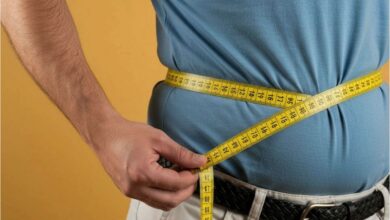
How do you know if you’ve reached your comfortable weight?
t?
A person’s comfortable weight is a state in which they feel energetic, confident, and healthy. It’s not just a number on the scale, but a complex set of factors, including physical and psychological health. A comfortable weight depends on height, body type, age, and level of physical activity. Furthermore, it should meet the individual needs of the body, allowing you to easily perform everyday tasks and pursue your favorite hobbies. Establishing and maintaining a comfortable weight requires a balanced diet, regular physical activity, and an understanding of your body. This approach not only improves your appearance but also your overall well-being.
Article Contents:
Why the concept of “ideal weight” isn’t always about numbers
Many people, when starting a weight loss program, set specific numerical goals: their pre-pregnancy weight, their student weight, or a desired number on the scale. However, in practice, this approach is far from always effective.
Nutrition experts note that setting a rigid “goal” in the form of specific numbers rarely aligns with real life. For example, regular strength training can lead to increased muscle mass, which will be reflected in the scale. However, the body will appear toned, and you will only feel better.
Research confirms that it’s far more important to maintain the weight loss than simply losing it. According to a review in the American Journal of Clinical Nutrition (2015), most people who achieve weight loss regain some of the lost weight within a year. Setting unrealistic expectations often causes stress and reduces motivation. Furthermore, a person’s sense of health may be at a different level than the scale suggests. Many people report improved well-being and increased energy after losing 5-10 kg, rather than waiting for the “landmark” 15 kg loss. In this regard, the Health At Every Size (HAES) movement, which advocates assessing health holistically, not just by weight, is growing in popularity.
It’s also important to consider that ideal weight is subjective and depends on many factors, including body type, genetics, age and lifestyle. Body mass index (BMI) is often used as a guide, but it does not take into account the ratio of fat to muscle tissue, which can be misleading. For example, athletes with high muscle mass may have a BMI in the overweight range even though they are in excellent health.
In addition to weight and appearance, it is worth paying attention to biochemical indicators and physical fitness, such as cholesterol levels, blood pressure, endurance and flexibility. Such parameters provide a more complete picture of your health than just the numbers on the scale.
Thus, the key to health and well-being is a holistic approach that includes not only weight control, but also taking care of proper nutrition, regular physical activity and psychological well-being.
How to determine if you have reached your comfortable weight
How to determine if you’ve reached your comfortable weight
Your medical indicators are within normal limits
- Blood pressure, cholesterol, glucose and triglyceride levels are more objective indicators of health than body mass index. A study published in the International Journal of Obesity (2016) noted that people with an elevated BMI but normal metabolic parameters had a comparable risk of cardiovascular disease to those with a “normal” BMI. weight.
Positive changes are noticeable not only in the scales
- Pay attention not only to weight, but also to other successes: reducing volume, improving athletic performance, endurance. For example, if you now lift more weight or run a distance faster, this is a clear sign of progress. According to a study in Obesity Reviews (2019), improving body composition—increasing muscle mass and decreasing fat mass—is often more important than the absolute number on the scale.
Energy levels remain stable throughout the day
- You feel invigorated, can easily cope with your favorite activities, recover quickly from exercise, sleep well and tolerate stress better. This indicates that the body has adapted to your current weight and is maintaining balance.
Weight stays stable without being overly controlled
- If your weight fluctuates slightly over the course of several months without resorting to strict diets or calorie counting, then your body has found its “set point.” – the optimal range in which one feels comfortable.
Eating became natural and stress-free
- When good eating habits are formed, you stop perceiving them as prohibitions or strict rules. Vegetables and sources of protein appear regularly on your table, and food decisions are made intuitively. This approach aligns with the principles of intuitive eating, which has been proven to be effective in research (Journal of Nutrition Education and Behavior, 2014).
The most important indicator is joy in life. If you go to the gym several times a week, but still allow yourself pizza with friends or a glass of wine on the weekend and still feel internally balanced, your weight is now optimal.
Ways to check that you have achieved “weight comfort”
Ways to check if you’ve reached your “weight comfort”
- diets Doctors confirm that your key health indicators are normal
- energy remains stable throughout the day.
- The body copes with physical activity without excessive discomfort.
- You eat guilt-free and don’t feel stressed about restrictions.
- The role of lifestyle and health in maintaining a comfortable weight
The role of lifestyle and health in maintaining a comfortable weight
Getting 7-8 hours of healthy sleep each day regulates hunger hormones, reducing the risk of overeating and promoting optimal metabolism. Lack of sleep, on the contrary, increases
appetite and interferes with fat burning tracking health indicators – blood pressure, sugar and cholesterol levels – allows you to timely adjust your habits and avoid hidden factors that affect your weight. Moderate water consumption, about 30 ml per kilogram of body weight, maintains water balance and improves processes
regular health checks can help identify hormonal imbalances and other conditions that may affect weight, allowing you to make lifestyle adjustments that suit your individual needs.
How do you know if you have reached your comfortable weight?