5 Main Causes of Knee Pain After Running: Prevention and Treatment Methods
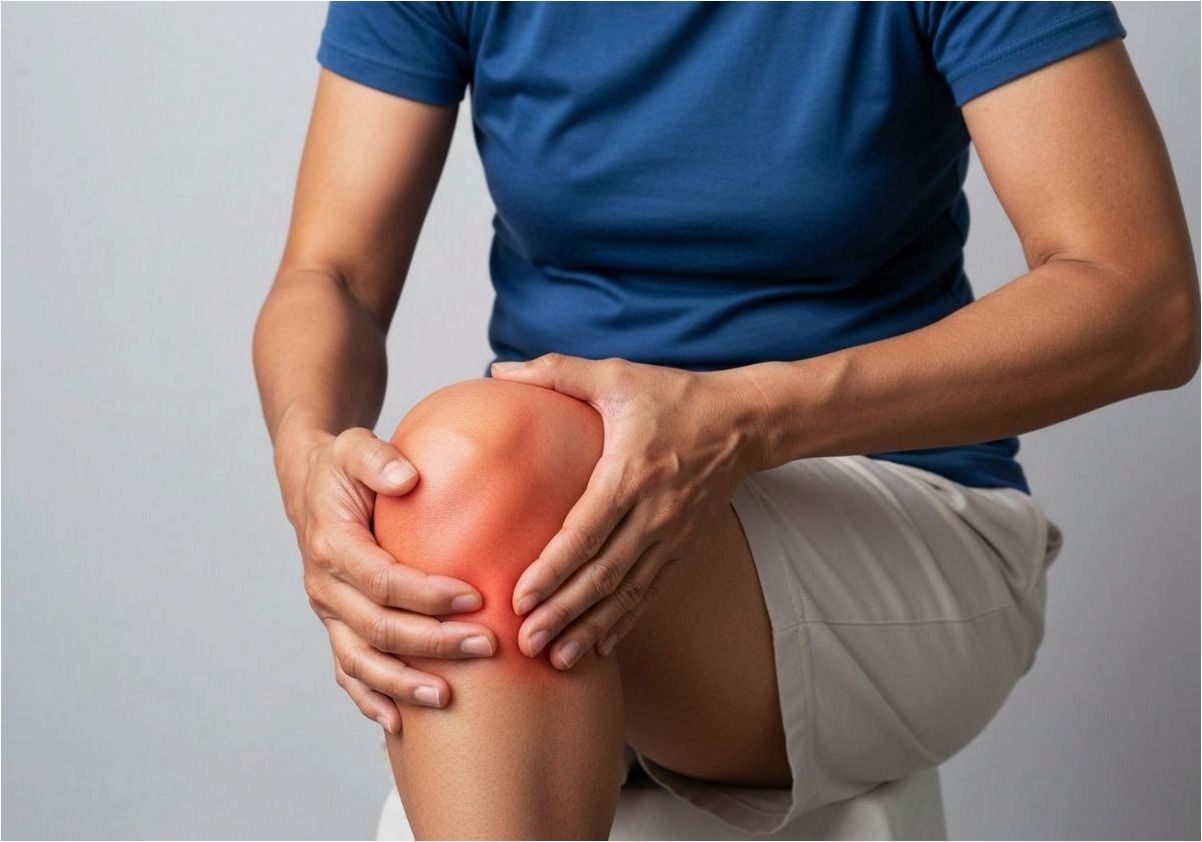
Whether you’re a beginner preparing for your first 5K, a seasoned marathoner, or simply enjoy vigorous cardio, running is a great way to stay fit and escape the daily grind. However, running is often associated with injuries, and knee pain is one of the most common problems.
Article Contents:
This sport requires significant physical exertion, which regularly places repetitive stress on the joints.
The knees bear a tremendous load during running, so it’s no surprise that many runners experience occasional discomfort in this area. If you experience knee pain while running, it’s important to identify its source to ensure proper support and maintain knee health for years to come.
Why_does_knee_pain_occur_while_running
Below are the six most common causes of knee pain in runners, along with recommendations for their treatment and prevention.
Runner’s Knee
This term is officially designated as patellofemoral pain syndrome. It develops as a result of repetitive motions, incorrect kneecap positioning, which is associated with weak or overly tight leg muscles, and sometimes even poor running technique.
Treatment This problem is often caused by overuse, so it’s important to rest the knee for at least two weeks. After recovery, gradually return to running, choosing soft surfaces such as grass or sand. If the pain recurs, consult a physical therapist to prescribe a set of exercises aimed at strengthening the hip muscles and correcting any deficiencies.
- Prevention. Gradually increase your mileage, controlling the load to avoid injury to your joints. Include stretching and strength exercises in your workouts to promote the harmonious development of the muscle corset.
- Additionally. Pay attention to the shoes – they should provide sufficient cushioning and stability to the foot. Use special orthotics for flat feet or other arch problems to reduce improper load distribution on the knee.
- Iliotibial band syndrome
Iliotibial Band Syndrome
Treatment. As with runner’s knee, rest for at least one week to reduce inflammation. An important element of therapy is myofascial release – regular stretching and roller massage of the outer thigh for at least five minutes a day.
- Prevention. Regular stretching significantly reduces the risk of developing pathology. Spend 5-7 minutes stretching several times a day and include exercises to strengthen your hip muscles, such as lying leg abductions and clamshells. Don’t forget to properly warm up before each workout.
- Additionally. If pain is severe, you can use cold compresses to reduce inflammation and use knee pads with lateral support to reduce friction on the iliotibial band.
- Patellar tendonitis
Patellar Tendinitis
With tendonitis, the pain is localized just below the kneecap. Often discomfort appears at the beginning of a workout, when rising from a sitting position or when stretching.
Treatment. Apply ice and rest your feet first. Check the condition of your shoes—it may be time to replace them with new ones. Using a knee brace to reduce stress on the inflamed tendon may also help.
- Prevention. Replace your running shoes after 400–500 kilometers. Regularly perform quadriceps strengthening exercises, such as squats and leg extensions, to protect the tendons from injury.
- Additionally, during a flare-up of tendinitis, avoid jumping exercises and high-impact running. As your tendonitis heals, you can incorporate ligament strengthening exercises and proper foot placement techniques into your program Incorrect Running Technique imbalanced development of the muscles involved in running, or differences in their strength and tone, can lead to poor technique. This ultimately places excessive strain on the knees, resulting in pain. Pain due to improper technique varies in location – it can manifest itself on the inside of the knee or in the kneecap area.
- Treatment. To avoid persistent problems, it’s important to correct your running technique. For this, it’s recommended to undergo an examination by a physical therapist who specializes in working with runners. After analyzing your movements, they will prescribe a personalized set of exercises to balance your muscles.
Running Technique Error
Additionally, record your workouts on video for self-monitoring, paying attention to your foot placement, knee position, and posture while running. This will help you quickly identify and correct any technique errors.
Inappropriate running shoes
- Insufficient arch support and cushioning in shoes lead to an incorrect foot position while running—either excessively elevated or depressed. This causes hyperextension, which puts excessive pressure not only on the knees but also on the ankles and hips.
- This type of foot problem most often causes pain on the inside of the knees.
- Treatment. Consult with a podiatrist to help you choose shoes with the right arch support. If it is difficult to choose the right pair on your own, you should consult a podiatrist to make custom orthotics that provide optimal support.
Inappropriate Running Shoes
Additionally. Pay attention to the condition of your soles and running technique – worn-out sneakers and improper landing increase the risk of damage and pain. Use appropriate shoes for different types of surfaces, such as trails or asphalt.
Additional tips for preventing knee pain when running
- Weight control. Excess body weight increases the load on the knee joints. Controlling and maintaining a healthy weight helps reduce the risk of developing pain syndromes.
- Variety of workouts. Include alternative activities (swimming, cycling, elliptical) that reduce impact while allowing your knees to rest and recover.
- Regular examinations. If pain recurs or worsens, it is important to promptly consult an orthopedic doctor or sports specialist to diagnose and prevent serious damage.
Proper nutrition. Providing the body with enough
- vitamins and minerals
- , especially calcium and vitamin D, promotes
- maintaining health
- bones and joints When should you stop running because of knee pain? despite the strong desire to continue training, any pain in the knee is a signal that you should stop training. Ignoring discomfort can cause more serious damage. Especially if the pain is caused by a sudden increase in pace or distance, rest will be a necessary step in recovery Mild muscle fatigue in the first days after increasing training is quite normal, but joint pain is considered pathological and should not be ignored if the pain is accompanied by swelling, redness, a feeling of heat or stiffness in the joint, you should stop running immediately and consult a doctor. Also an alarming signal are pains that do not go away after rest, intensify with exercise, or lead to lameness.
When_should_I_stop_running_because_of_knee_pain?
Despite a strong desire to continue training, any knee pain is a signal to pause. Ignoring discomfort can cause more serious injury. Especially if the pain is caused by a sudden increase in pace or distance, rest is a necessary part of recovery.
Slight muscle fatigue in the first few days after intensifying your training is completely normal, but joint pain is considered abnormal and should not be ignored.
If the pain is accompanied by swelling, redness, warmth, or stiffness in the joint, you should stop running immediately and consult a doctor. Pain that doesn’t subside with rest, intensifies with exertion, or leads to limping is also a warning sign.
To prevent knee pain, it’s important to gradually increase your exercise load, wear appropriate, well-cushioned shoes, and warm up before exercise. Incorporating thigh and calf strengthening exercises into your program will help reduce stress on the knee joints and reduce the risk of injury.
If pain occurs, don’t try to “run through” it or self-medicate, especially if symptoms persist for more than a few days. A proper approach to recovery includes rest, cold compresses, and, if necessary, a consultation with a specialist and rehabilitation therapy.
When should I see a doctor?
If running is an important part of your life or you want to maintain an active lifestyle without restrictions, it’s best to consult a doctor promptly to avoid complications. If knee pain doesn’t subside after exercise or occurs regularly during physical activity, an examination and possibly rehabilitation are necessary. A particularly dangerous sign is swelling, which can signal serious problems and requires immediate medical attention.