5 exercises to relieve lower back pain
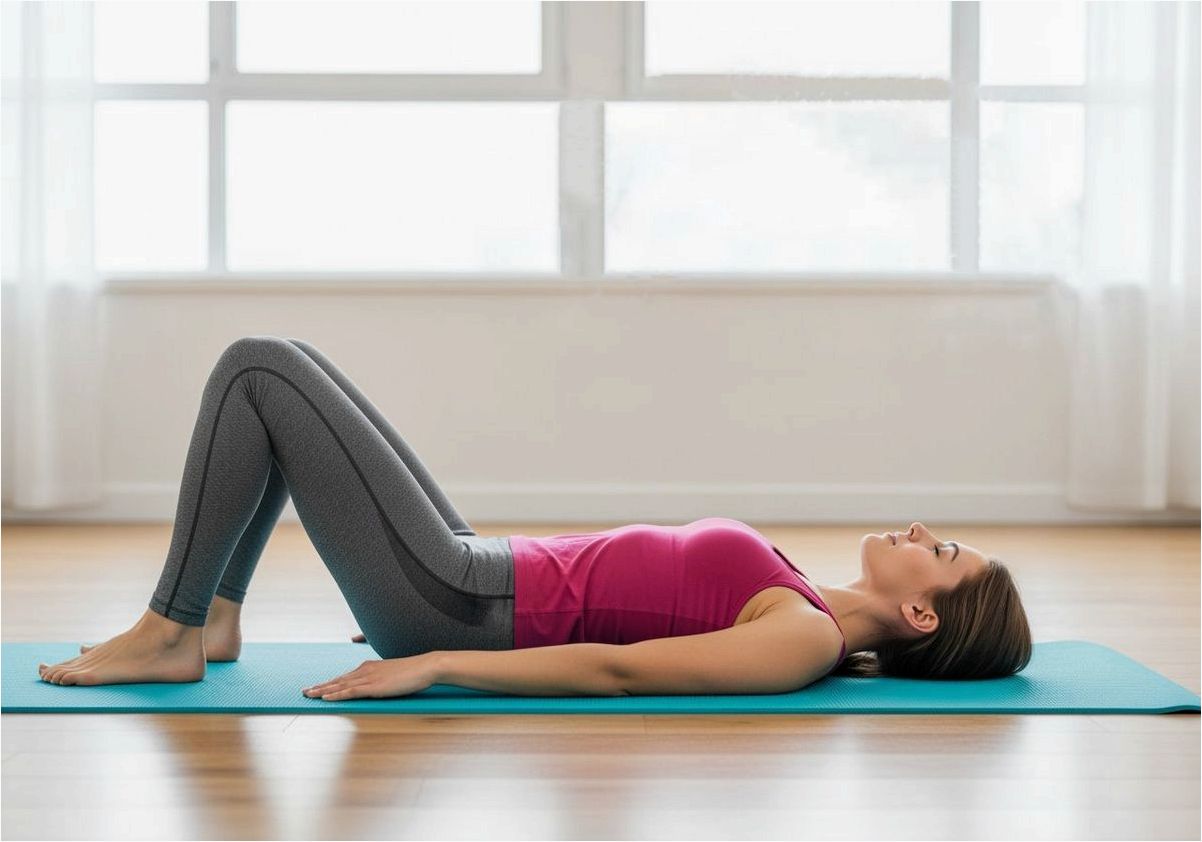
Low back pain is one of the most common causes of complaints related to the musculoskeletal system: 70 to 80% of adults experience this discomfort during their lifetime. It is lower back pain that often becomes an obstacle to daily activities and a reason for missing work. It is therefore not surprising that many people are eager to find ways to relieve and prevent such unpleasant sensations.
Contents of the article:
scientific research confirms that exercises aimed at improving posture have a more pronounced and long-term analgesic effect compared to drug treatment (analgesics, NSAIDs) or physiotherapeutic methods (heat treatments, manual therapy). In addition, physical activity has a positive effect on the psycho-emotional state of chronic low back pain.
The importance of correct posture for back health
Typically, posture is considered in the categories of “correct” and “correct.” and “wrong,” but there are many more options in between.
Posture refers to the position of the body in space. The posture you take while walking is very different from the posture you take while driving a car or riding a bicycle. Because the body is an adaptive system, it tends to adapt to the pressures and stress encountered in everyday life and work. These adaptive changes can lead to muscle tension and imbalance, often causing chronic pain. For example, spending eight hours at a time at a computer often causes a person to become slouched in the upper back and experience limited mobility when raising their arms above their head.
What is correct posture? Imagine all your bones and joints being evenly supported without stress or fatigue; the body feels balanced and light, and no part is overloaded. This posture promotes a high level of performance, conserves energy and prevents overwork in individual areas.
However, it is important to remember that there is no one ideal pose. Attempts to maintain an “ideal” Continuous posture can lead to unnecessary tension. It is impossible to sit in one position, fully erect, for hours without the opportunity to move a little.
Main causes of lower back pain
Pain in the lumbar region can occur for various reasons and affect people of any age and nationality. Most often, pain is associated with limited mobility and insufficient strength in the hip joints, low level of physical activity and tension in the lumbosacral segment of the spine. It is these key areas that require sufficient endurance and flexibility to relieve stress on the lower back during everyday movements. Sitting for a long time makes the situation worse.
Lower back injuries often occur when lifting heavy objects with excessive bending or rotation of the spine. Learning and practicing proper lifting technique greatly reduces the risk of such injuries.
In addition, the causes of lower back pain include muscle spasms caused by overwork or poor posture, as well as degenerative changes in the spine, such as osteochondrosis or herniated intervertebral discs. Excess weight increases stress on the lumbar region, which contributes to the development of chronic pain.
Psychological stress and emotional strain can also increase back pain, causing muscle tension and reducing the body’s ability to recover.
To prevent and reduce lower back pain, it is recommended to exercise regularly a set of exercises aimed at strengthening the core muscles and improving flexibility, avoiding prolonged sitting without breaks, maintaining correct posture and control weight bodies.
Exercises to improve posture and reduce lower back pain
Physical activity helps improve muscle strength and mobility, and improves tissue coordination and elasticity. Scientific evidence shows that a complex of therapeutic exercises, including aerobic exercise, strength exercises and stretching, can reduce pain and increase the functionality of the spine.
Postural muscles have high endurance and are able to maintain the body in the correct position for a long time. Regular training of this muscle corset provides flexibility and adaptability for any postures and movements.
Below are some effective exercises that will help improve your posture and relieve lower back discomfort.
Important: Stop any movements that increase pain!
“Boat”
This exercise activates the muscles of the anterior spine, hip flexors, and abs.
- Lie on a flat, hard surface with your knees bent. Press your lower back into the floor.
- Raise your straight arms, pointing your fingers upward.
- Extend your legs, pointing your toes toward the ceiling.
- Slowly spread your toes outward, keeping your lower back on the floor.
- Hold this position for 10-30 seconds.
- Return to the starting position. Perform 3-10 repetitions.
Sliding with a stick
This exercise targets the trapezius and thoracic back muscles. Grab a long stick—it could be a barbell or even a mop—and stand near a doorway.
- Place the stick horizontally at collarbone level, holding your hands slightly wider than shoulder-width apart. Lean forward slightly.
- Keep your elbows under your wrists throughout the movement.
- Raise the stick up the doorframe until your arms are fully extended.
- For an additional stretch, shift your weight onto your front leg, aiming for the stick to be overhead.
- Hold for a few seconds, then slowly lower the stick to the starting position. Repeat 10-30 times.
- Pelvic Tilts
Pelvic tilts
Stand with your feet hip-width apart, toes pointing forward.
- Tilt your pelvis back slightly and extend your arms forward and up, as if lifting them overhead.
- Your knees may bend slightly as you bend.
- Keep your spine neutral and lower your torso parallel to the floor, feeling a stretch in the backs of your legs. Hold this position for 3 seconds, then return to the starting position.
- Perform 10-30 repetitions.
- “Swan”
“Swan”
Lie on your stomach with your palms at your sides, near your chest.
- Place a small ball under your chest. Gently press your hands into the floor and roll the ball forward to lift your chest.
- Focus on moving your mid-back. If you don’t have a ball, visualize one to begin the bend. Avoid using your head—the heart should lead the movement.
- Staying in this position, try to gently lift one or both arms off the floor without lowering your torso.
- “Wiper Blades” This exercise improves hip mobility and control.
“Windshield wipers”
Lean back slightly and move your legs to change their position.
- Maintain a straight back throughout the exercise. If necessary, support yourself with your hands or try doing the exercise lying down.
- 5 Exercises to Relieve Lower Back Pain