Three Interesting Facts About Sprouts
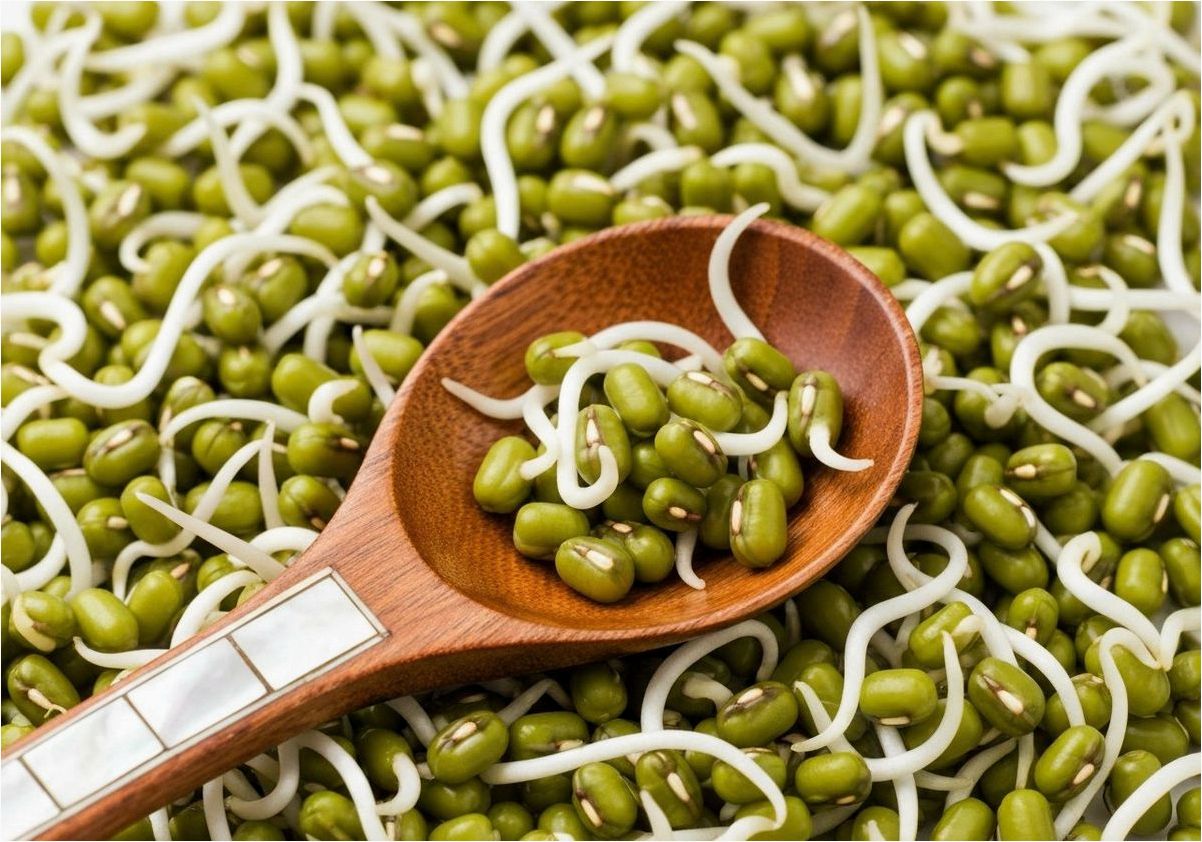
Sprouts are still grains, but they’re even healthier and tastier. You can easily find sprouted wheat, barley, millet, rice, and other grains in stores or at home. During the sprouting process, the composition of the grains changes significantly: the amount of protein and micronutrients increases, while carbohydrates decrease. That is exactly why sprouts should definitely be added to your daily diet.
Article contents:
in addition, sprouts are rich in B vitamins, vitamins C and K, and contain enzymes that help improve digestion and nutrient absorption. Sprouting grains significantly reduces the phytic acid content—a natural substance that hinders the absorption of minerals such as iron and zinc. As a result, nutrients become more readily available to the body.
Another important fact is that sprouts help maintain normal blood sugar levels and can be beneficial for weight management, thanks to their low calorie content and high fiber content. They can be added to salads, sandwiches, smoothies, or enjoyed as a standalone dish, enriching your diet with minimal effort.
Stress Relief
Scientific studies have shown that sprouts contain more vitamin C—which boosts the immune system—than unprocessed grains. In addition, during the sprouting process, folic acid levels increase by 360%, which helps improve mood and boost energy levels. Many manufacturers add folate to refined flour, but those who follow a healthy diet prefer natural foods and have a need for these vitamins. Plus, sprouted grains are rich in iron and zinc—minerals that support the body’s defenses. Try making a sandwich with barley sprouts and turkey: spread 2 tablespoons of roasted pepper puree on a slice of whole-grain bread, top with 70 g of turkey, 2–3 slices of tomato, and a generous portion of sprouts.
No Sugar
Whole grains contain two types of indigestible sugars—stachyose and raffinose—which begin to ferment in the intestines and cause bloating. During the sprouting process, these sugars break down, reducing unpleasant symptoms. For example, try making muffins: take 100 g each of chickpea flour and whole wheat flour, add 1 teaspoon of baking powder, 200 ml of kefir, 6 tablespoons of vegetable oil, and 2 eggs. Season with salt and add a cup of sprouted rice or millet. Bake in the oven at 180 degrees for about 15–20 minutes.
In addition, sprouting increases the content of B vitamins, vitamin C, and antioxidants in the grains, which improves their nutritional value and promotes better absorption by the body. Sprouted grains also become softer and easier to digest, which is especially beneficial for people with sensitive stomachs or digestive issues.
If you are just starting to incorporate sprouts into your diet, introduce them gradually to give your body time to adjust. It is also important to rinse the grains thoroughly before sprouting and to maintain good hygiene to prevent the growth of harmful bacteria.
Amino Acids for Muscle Growth
During sprouting, grains break down carbohydrates, using starch for energy. This process activates enzymes that break down protein compounds and increase the concentration of essential amino acids—the building blocks of proteins needed for muscle development, hormone production, and the creation of antibodies. Studies show that amino acid levels can increase up to tenfold in sprouts. Try this simple recipe: cook short-cut pasta according to the package instructions. Sauté a finely chopped clove of garlic and 100 g of sun-dried tomatoes in 1 tablespoon of olive oil. Add the pasta and sprouts, mix thoroughly, and season with salt and pepper to taste.
Vitamins and Minerals in Sprouts
Add sprouts to your diet to boost your intake of vitamins and minerals without taking additional supplements. They contain a high concentration of vitamin C, which can be several times higher than in mature plants. Vitamin C boosts immunity and aids in the absorption of iron from food.
Sprouts are rich in B vitamins (B1, B2, B3, B6, and folic acid). These compounds support metabolism and nervous system function. Bean and alfalfa sprouts are particularly high in folic acid—making them excellent choices for pregnant women and those planning to become pregnant.
The mineral composition of sprouts includes:
- Iron — helps combat fatigue and improves oxygen metabolism;
- Magnesium — regulates muscle and nervous system function;
- Calcium — strengthens bones and teeth;
- Potassium — supports normal blood pressure and fluid balance;
- Zinc — aids in tissue regeneration and improves immune function.
For maximum benefit, consume sprouts fresh by adding them to salads , smoothies, and sandwiches. Regularly including sprouts in your diet helps improve overall well-being thanks to their rich vitamin and mineral content.