Royal Posture: Exercises for Proper Body Alignment at the Gym
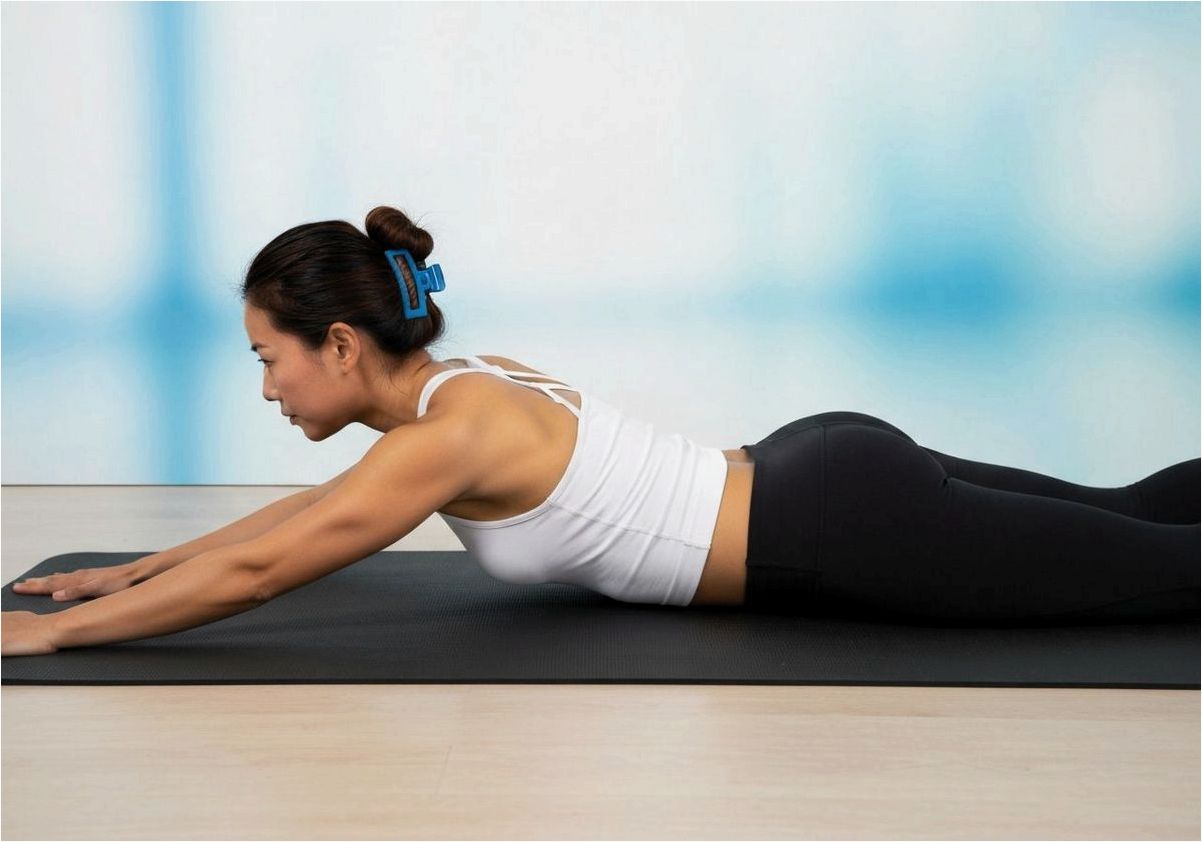
Proper posture not only means strong back muscles, but also self-confidence, a lively interest in others, and a stunning appearance in a summer dress with an open back! KEGOL, together with Maxisport club trainer Tatyana Kokoreva, has prepared a special program that will help you develop beautiful posture and strengthen your back in just 2-3 months.
Article Contents:
Step-by-Step Program. Start with a 10-minute warm-up, including any cardio and stretching exercises. Then, perform two main sets, resting for 1 minute between sets, doing 10-15 reps of each exercise. It is recommended to practice 1-2 times a week.
Proper posture requires the harmonious alignment of the entire body in space. This is achieved by strong back muscles, properly stretched chest muscles (excessive tension in them leads to slouching and rounding of the back), as well as developed glutes, abs, and oblique abdominal muscles.
Benefits of training:
- The back is one of the largest muscle groups, and training it requires a lot of energy, which contributes to weight loss.
- A well-developed core visually changes the silhouette, making the waist appear thinner.
- Due to the variety of back muscles, training is never boring.
- A woman with expressive posture always looks attractive! See for yourself after 3 months of training.
NARROW GRIP PULL-UP
This engages the upper back muscles
Stand on the platform of the machine and grasp the handles with a parallel grip (palms facing inward). Bring your shoulder blades together. As you exhale, pull yourself up, drawing your chest toward the handles. Hold the position for a few seconds, then inhale and slowly lower yourself, spreading your shoulder blades. Keep your back straight.
Typical mistake: slouching and letting your chin drop to your chest.
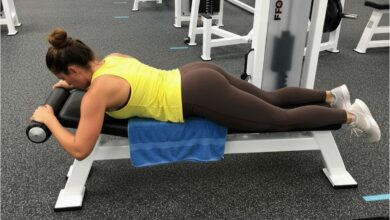
HYPEREXTENSION
Activates the back extensors, glutes, and hamstrings
Starting position: back straight, hands behind your head. As you inhale, slowly bend forward from the hips, maintaining a straight back. As you exhale, rise back up, holding at the top for a few seconds.
Errors: throwing your head back, excessive torso arching.
Trainer’s advice: Can you use over-the-counter corsets to correct your posture? The best corset is your own muscles! Artificial corsets are not recommended for permanent use (except during heavy housework or carrying a child), as they “intercept” the load instead of the muscles. As a result, once you remove the corset, you won’t notice any positive results.
T-BAR ROW
Trains the upper back muscles
Starting position: lying down. Grasp the bar handles. Squeeze your shoulder blades together and, as you exhale, pull the bar toward your body. Hold the position for a few seconds and slowly lower your arms. Make sure to keep your shoulders down and your back straight. Error: Don’t arch your lower back.
HANGING_LEG_LIFT
Works your abs
Grab the handles; start with your arms hanging. As you exhale, pull your knees toward your chest, hold at the top for a few seconds, then slowly lower yourself down. To make the exercise easier, use a platform under your feet. Error: Avoid rocking during the ascent.
WIDE CORE PUSH-UPS
Targets the chest, triceps, and anterior deltoids
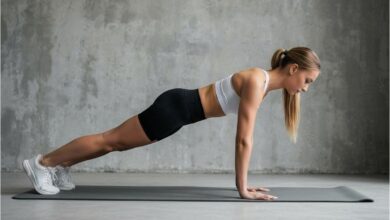
Kneel on the platform with your hands on either side, fingers pointing outward. Position yourself so your thighs and torso form a straight line. Inhale and slowly lower yourself, drawing your chest toward the platform. Exhale and rise, keeping your body straight. You can make this exercise more challenging by performing it with straight legs.
Mistake: Don’t push your buttocks back or arch your back. Your body should remain straight.
As an excellent complement to core workouts (swimming, Pilates, yoga, dancing)—regardless of their intensity—it is recommended to include back strength exercises at least once a week!
HORIZONTAL PULL_ON_A_MACHINE_WITH_A_NARROW_GRIP
Upper back workout
Sit on the machine, bend your knees slightly, maintaining a natural arch in your lower back, and keep your shoulders relaxed and down. Place your feet on the pads. Squeeze your shoulder blades together and, as you exhale, pull the handles toward your chest without raising your shoulders. As you inhale, slowly return to the starting position.
Mistake: rounding your back and pulling your shoulders toward your ears.
WIDE-GRIP VERTICAL PULL-ROW
The main load falls on the upper back
Grip the handle with a wide grip so that your forearms are perpendicular to the floor. Maintain a natural arch in your lower back, keeping your back straight, shoulder blades pulled together, and chest slightly forward. As you exhale, pull the handle down toward your chest, pushing your chest up. Hold the position, then inhale and smoothly return to the starting position without fully straightening your arms.
Error: Avoid rounding your back and letting your elbows go backward.
FITBALL CRUNCHES
This exercise engages the rectus abdominis and oblique abdominal muscles, as well as the stabilizer muscles.
Lie on the ball with your knees bent at a right angle and your lower back resting on the top of the ball. As you exhale, lift your shoulders and shoulder blades, trying to press your lower back into the ball. Hold for a moment, then return to the starting position. This exercise is recommended at the beginning and end of the routine.
Mistake: Don’t pull your head up with your hands or tuck your chin to your chest.
Additional recommendations for improving your posture
- Take regular breaks during sedentary work. If your job involves sitting for long periods of time, stand up every 30–40 minutes and do simple stretching and back straightening exercises. This will help prevent spasms and promote proper posture.
- Maintain proper posture in everyday life. When walking and standing, ensure your shoulders are back, your shoulder blades are pulled back, and your stomach is slightly tucked in. This will gradually reinforce the skill of correct posture outside the gym.
- Using a foam roller for myofascial release. Use foam rollers to loosen tense chest and back muscles – this helps improve joint mobility and makes it easier to perform exercises with proper technique.
- Mindful breathing during exercise. Posture will improve faster if you learn to breathe correctly: inhale when relaxed and exhale when exerting effort, which helps stabilize the core and activate the deep back muscles.
- Preventing flat feet and wearing comfortable shoes. Correct foot placement affects the overall biomechanics of the body and maintains straight Posture. Pay attention to high-quality, comfortable shoes, especially if you spend a lot of time on your feet.Remember that developing beautiful and healthy posture is a comprehensive process that includes not only strength training but also attention to the details of your daily activities. Over time, these skills will become part of your natural behavior, and you will feel not only external but also internal changes in your well-being and confidence.