Common Misconceptions About Superficial Peels
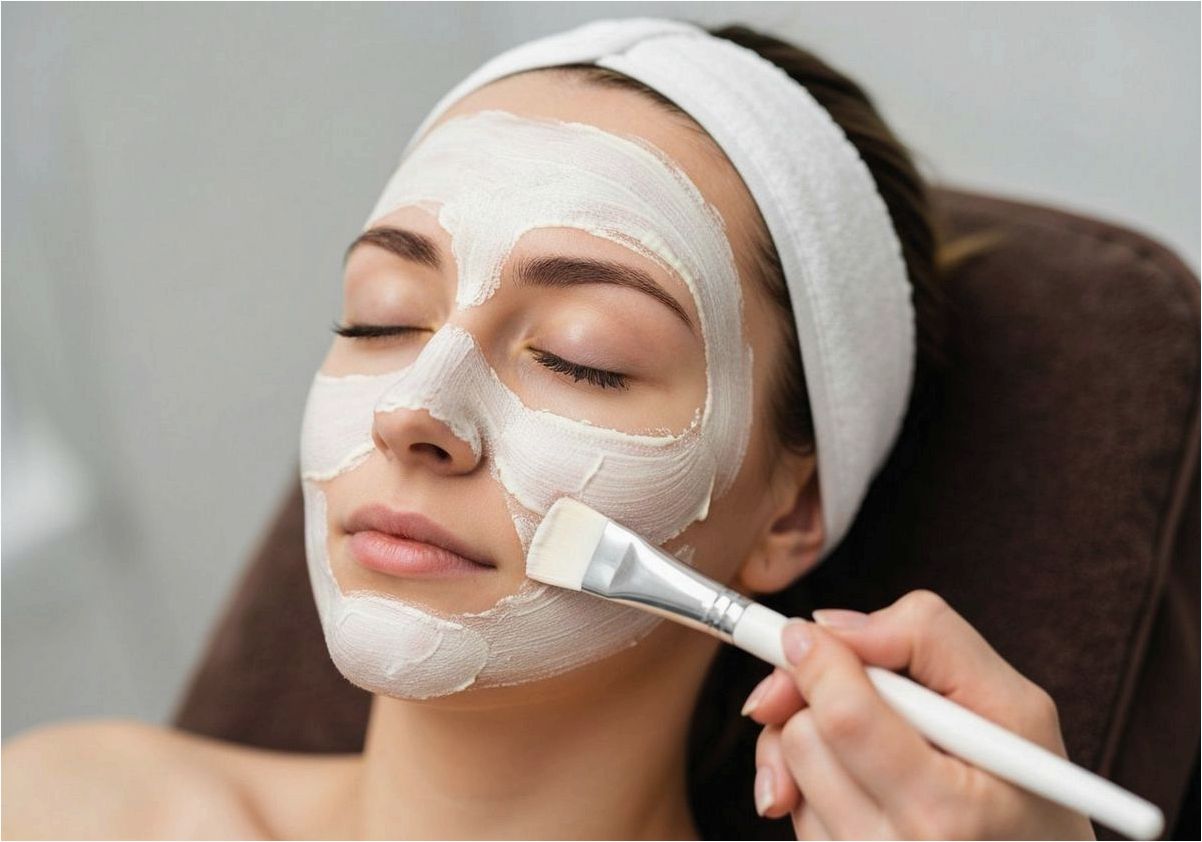
Superficial peels help accomplish several goals simultaneously: they cleanse the skin of impurities caused by adverse environmental factors and also serve as an effective preventative measure for problem skin. However, this is only possible if there is no doubt about the safety of the procedure. Let’s debunk the most common myths!
Article Contents:
- Myth #1: Peeling leads to thinning of the skin
- Myth #2: Peeling is only suitable after 25 years
- Myth #3: No_additional_care_is_needed_after_peeling
- Myth #4:_a_high_or_low_percentage_of_acid_indicates_how_much…
- Myth #5:_contraindications_to_peeling_are_limited_to_diabetes,_rosacea,…
- Myth #6:_peeling_can_be_done_at_yourself_in_any_conditions
Myth 1: Superficial peeling damages the skin.
In fact, superficial peeling is aimed at gently Exfoliation of the top layer of the epidermis, which promotes skin renewal. When performed correctly and using high-quality products, the procedure is harmless and does not cause long-term irritation.
Myth 2: After a peel, the skin will be red and flaky for a long time.
Superficial peels have a minimal recovery period. Typically, the skin recovers within a few hours or a maximum of 1-2 days. Proper post-treatment care significantly reduces the risk of redness and discomfort.
Myth 3: Peels are only suitable for problem skin.
Superficial peels are excellent for all skin types, including sensitive skin. They improve tone, even out complexion, reduce the appearance of fine wrinkles, and promote overall improvement of the skin’s condition.
Myth 4: The procedure can be performed frequently and under any conditions.
Another common myth is frequent peeling without consulting a specialist. Excessive use can lead to dehydration and skin irritation. It’s best to plan your treatments according to your cosmetologist’s recommendations, taking into account your climate and skin condition.
Myth 5: Peels are painful and unpleasant.
Modern superficial peeling techniques are virtually painless. Unpleasant sensations are limited to a slight tingling or warmth, which quickly subsides after the procedure.
In summary, it’s important to remember that the success and safety of a superficial peel depend on the specialist’s expertise, the correct choice of product, and adherence to all aftercare recommendations. Then your skin will be fresh, radiant, and healthy!
Myth #1: Peels cause thinning skin
Reality. “This skin condition is most often associated with prolonged sun exposure and the natural aging process,” explains Wendy ROBERTS, MD, an expert with the American Association of Dermatologists.
Peels, especially superficial and medium-depth peels, help remove dead skin cells and stimulate cell renewal, which promotes stronger, healthier skin. When performed correctly and following a professional’s recommendations, the risk of skin damage is minimal. Furthermore, peels can promote collagen production, improving skin structure and making it firmer and more elastic.
It’s important to choose the right peel for your skin type and avoid deep peels without consulting a dermatologist. After peeling, it’s also important to carefully protect your skin from the sun, using sunscreens with a high SPF to prevent damage and pigmentation.
Myth #2: Peels are only suitable for people over 25
Reality. Peels are acceptable starting in adolescence, especially for acne and seborrheic dermatitis. Acids are suitable for people of all ages, as they effectively dissolve impurities, promote the natural exfoliation of dead skin cells, and unclog pores by penetrating the epidermis at a relatively shallow level, stimulating cell renewal.
Myth #3: No additional care is needed after a peel
Reality. After the procedure, it is extremely important to use products that promote skin regeneration and hydration, as well as creams with SPF protection.
Proper care helps minimize the risk of irritation and inflammation, accelerates skin recovery, and maintains the long-term effect of the peel. It is recommended to use gentle moisturizers without harsh ingredients, and avoid hot water and physical scrubs during the first few days. Furthermore, sunscreens with a high SPF are necessary to prevent hyperpigmentation and UV damage, especially in the first 2-4 weeks after the procedure.
Myth #4: A high or low percentage of acid indicates how aggressive the peel is.
Reality. A key indicator of peel intensity is the pH level of the product. “The lower the pH of a product, the more aggressive it is and the more deeply the acid penetrates the skin,” explains Wendy Roberts. “It’s important to remember: a high percentage of acid with a low pH means a strong peel, while a low percentage of acid and a high pH provide a gentler treatment.”
Myth #5: Contraindications to peeling are limited to diabetes, rosacea, vitiligo, herpes, sunburn, and autoimmune diseases
Reality. The list of contraindications is longer. “Peeling is contraindicated in the presence of vascular disorders, scratches and other skin damage, as well as pigmentation abnormalities,” adds Wendy Roberts. “It is important to consult with your doctor if you are taking hormonal contraceptives or undergoing hormone replacement therapy.”
Myth #6: You can do a peel yourself in any conditions
Never perform a superficial peel without professional consultation and proper conditions. Home remedies and uncertified products often contain improper acid concentrations, which can cause burns, irritation, and prolonged skin inflammation.
A safe procedure requires a sterile environment, precise selection of the product for your skin type, and controlled exposure time. Without these conditions, the risk of adverse effects increases several times.
Experts recommend peels in cosmetology clinics, where proper skin preparation, use of high-quality products, and qualified post-procedure monitoring are ensured. Clinics also always have products available to neutralize the acid and prevent adverse reactions.
Trying to save money on professional care on your own can lead to complications that will require long-term treatment and rehabilitation. Be careful and trust experienced and licensed professionals with your procedures.