Squats or Deadlifts: Which Exercise Works the Glutes Better?
r?
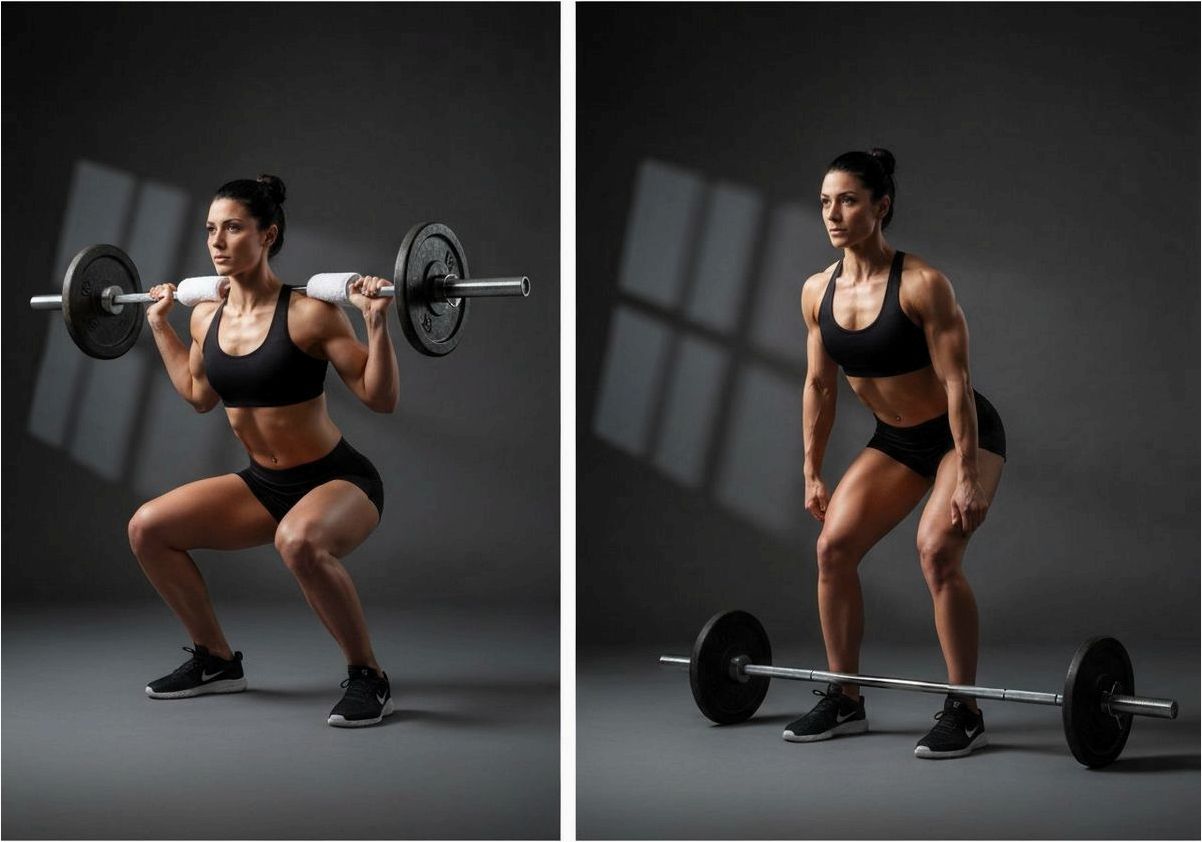
Well-developed glutes aren’t just about looking good—they’re also essential for your health. They play a crucial role in supporting the pelvic girdle, reduce strain on the knees and lower back, and help promote good posture and a comfortable gait. Many athletes and fitness enthusiasts wonder: which exercise—squats or deadlifts—is more effective at activating the glutes?
Article contents:
- The popularity of squats and deadlifts: why people choose them
- How the glutes work during squats and deadlifts
- Squats or deadlifts: which is more effective?
- Individual considerations and contraindications
- Exercise variations to enhance glute activation
- Another effective exercise: the hip thrust
- What should you choose in the end?
scientific data confirms: strong glutes reduce the likelihood of injuries and chronic pain in the lower back. For example, a review published in the Journal of Physical Therapy Science in 2015 identified a clear link between weak gluteal muscles and lower back pain, as well as impaired body balance.
So which should you choose for maximum glute activation and injury prevention—squats or deadlifts? Both exercises are considered foundational and functional, designed to build strength in the legs and glutes, but they differ in their focus. Let’s take a closer look at how each movement affects the glutes and which one is preferable depending on your goal.
The popularity of squats and deadlifts: why people choose them
><
squats activate the muscles of the front and back of the thigh—the quadriceps and hamstrings—as well as the calves, glutes, and core. In turn, the deadlift places more stress on the posterior muscle chain: the glutes, hamstrings, and back muscles. Additionally, the deadlift requires significant core stabilization, which helps develop core strength and
back muscles
It’s also worth noting an important aspect: the deadlift helps develop proper technique for lifting heavy weights, reducing the strain on the spine. This is particularly relevant for athletes (volleyball players, tennis players, basketball players) as well as in everyday situations.
How the glutes work during squats and deadlifts
It is also important to note that when performed with proper technique, these exercises minimize the risk of injury and help develop not only strength but also joint flexibility. Beginners are advised to focus on basic technique, gradually increasing the load, and to seek the assistance of a trainer or experienced instructor to ensure proper form How the glutes work during squats and deadlifts during squats, the gluteal muscles begin to actively engage as soon as you lower yourself—during the eccentric contraction phase. At this stage, the hip flexes and the glutes and hamstrings are stretched
.
. The maximum load occurs during the lifting phase, when you straighten up and push your pelvis forward; it is at this moment that the glutes contract strongly, becoming the primary driving force.
In the case of the deadlift, the movement begins with a hip flexion, during which the glutes and the back of the thighs are stretched. Then, during the lift, these muscles actively contract, returning the body to an upright position. Due to the deeper stretch compared to squats, a “rubber band” effect is created: the more a muscle is stretched, the more powerfully it contracts A study in the Journal of Strength and Conditioning Research, published in 2020, confirmed that deadlifts provide a more pronounced stretch of the glutes, which contributes to their increased activation during the lift in addition, proper form in both squats and deadlifts is critical for effective engagement of
the gluteal muscles
and to prevent injuries. When performing squats, it is important to maintain a neutral spine and control the angle of the pelvis to maximize gluteal engagement and reduce stress on the knees. In the deadlift, the focus should be on activating the glutes at the start of the lift—to achieve this, it is helpful to perform hip-opening exercises and additional stretching before the main workout It is also worth noting that different variations of the deadlift (such as the Romanian deadlift or the straight-leg deadlift) place varying degrees of stress on the glutes and the back of the thighs, allowing for more targeted development of strength and endurance in these areas. Incorporating a variety of techniques into your training program promotes comprehensive muscle development and improves overall results when training the glutes, it is important to consider the role of
Squats or deadlifts: which is more effective?
and the back, which provide spinal stability during movement. A strong and stable core allows the gluteal muscles to perform their functions more effectively, increasing the safety and effectiveness of the exercises Squats or deadlifts: which is more effective?
according to a systematic review published in the *Journal of Sports Science and Medicine* (2020), deadlifts result in slightly greater activation of the gluteus maximus compared to squats. However, the difference was not significant: both movements demonstrate a high level of gluteal engagement. In other words, both exercises are suitable for
Individual considerations and contraindications
Another study published in the Journal of Human Kinetics in 2020 demonstrated that both squats and deadlifts are equally effective for increasing lower-body strength. It follows, then, that your choice should be based on your goals, experience, and physical characteristics.
Individual considerations and contraindications Deadlifts place significant stress on the lumbar spine, which can be risky for people prone to back pain or recovering from injuries. In such cases, squats are the better choice—they also effectively target the glutes while posing less risk of injury to the spine beginners are better off starting with squats:
the technique<\
is easier to master and leads to fewer mistakes. Before moving on to deadlifts, you need to thoroughly master the forward pelvic tilt to avoid excessive strain on the lower back.
In addition, it is important to take into account individual anatomical differences and flexibility levels. People with limited hip mobility or tight hamstrings should focus on warming up and stretching before performing these exercises. This will help reduce the risk of injury and improve technique Contraindications for the deadlift may also include acute inflammatory conditions in the spine, herniated discs, and certain chronic musculoskeletal disorders. In such cases, it is essential to consult a doctor or a qualified trainer before incorporating the exercise into your training program for safety, it is advisable to use a support belt and monitor
Exercise variations to enhance glute activation
during the exercise: the back should remain straight, without excessive arching or sagging. Gradually increasing the workload, adequate recovery, and proper breathing also play a key role in preventing injuries.
Exercise variations to target the glutes
Research shows that modifications to a single exercise can significantly alter the degree of gluteal muscle activation For example, a study in the *Journal of Sports Science and Medicine* confirms that the classic deadlift and the hex bar deadlift elicit the greatest gluteal muscle activation compared to the Romanian deadlift and the sumo deadlift, where the range of motion is limited in squats, the glutes are activated more strongly with a wide stance. Medium and wide stances engage the glutes more intensely than a narrow stance, which engages the quadriceps more.
Deep squats
Another effective exercise: the hip thrust
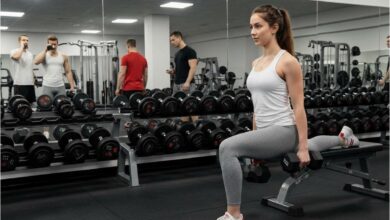
According to the review, the best squat variations for the glutes include the belt squat (squats with a weight belt around the waist), the split squat, and single-leg squats. These variations surpass classic barbell squats in terms of glute activation.
Another effective exercise: the hip thrust
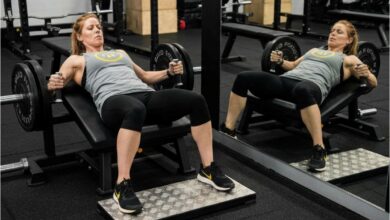
If you’re aiming for maximum glute activation, you should pay attention to an exercise called the hip thrust. A study in the Journal of Strength and Conditioning Research (2018) showed that the bench hip thrust produces the strongest activation of the gluteus maximus, surpassing both deadlifts and squats.
The glute bridge is a pure hip extension movement primarily performed by the glutes. Additionally, it allows you to increase the weight used without placing excessive strain on the spine, which is especially important for people with back pain. A 2021 study in the Journal of Sports and Conditioning Research also confirmed that the glute bridge is more effective than split squats and classic barbell squats in terms of glute activation.
What should you choose in the end?
The only drawback is its limited functionality in everyday movements. Nevertheless, as an isolated exercise for improving glute strength and shape, it is extremely beneficial So, what should you choose in the end?
the answer is simple: use all three exercises together. Squats, deadlifts, and hip thrusts complement each other, creating an optimal routine for developing strength, shape, and endurance in the gluteal
muscle group