Calisthenics: Why You Should Include These Exercises in Your Workout Plan
In the age of new fitness trends and brightly lit gyms where memberships cost a fortune, the term “calisthenics” seems almost forgotten. Yet, this bodyweight training method remains one of the most effective and versatile.
Article Contents:
Calisthenics is not just a foundation for developing functional movement, but also a scientifically proven way to strengthen muscles, improve coordination, and achieve consistent results without putting undue stress on joints and risking injury. What’s important to know about calisthenics?
Definition of Calisthenics
Calisthenics is a set of exercises that uses your own body weight as resistance. This approach helps develop key physical qualities: strength, flexibility, agility, balance, coordination, and endurance.
Calisthenics’ roots go back to Ancient Greece. The word itself comes from the Greek kallos, meaning “beauty,” and and sthenos — “strength.” In ancient times, warriors and athletes used this method to prepare for difficult challenges. The modern revival of calisthenics makes this type of training accessible to anyone who wants to stay in shape without the use of specialized equipment.
One of the benefits of calisthenics is the ability to practice it virtually anywhere—at home, outdoors, or in a park—without having to go to a gym. Furthermore, such training improves cardiovascular function, strengthens muscles and joints, and promotes correct posture.
Calisthenics is suitable for people of all fitness levels, from beginners to advanced athletes. Progress is achieved by gradually increasing the complexity of the exercises and their intensity. Popular exercises include push-ups, pull-ups, planks, squats, and the “flag”—an exercise requiring good strength and coordination.
Regular calisthenics training not only helps improve physical fitness but also develops motivation, discipline, and self-confidence, which positively impacts overall quality of life.
Competitive calisthenics: a modern training style with elements of gymnastics and acrobatics
Competitive calisthenics has emerged today, combining gymnastics tricks, street workouts, and acrobatic elements. Participants demonstrate impressive feats such as the flag, muscle-ups on rings, and complex push-up variations. However, most people can reap significant benefits from calisthenics without becoming professional athletes.
Calisthenics helps develop overall strength, flexibility, coordination, and endurance without requiring specialized equipment or expensive gym memberships. Workouts can be done almost anywhere—outdoors, in a park, or at home. Bodyweight exercises are especially popular, helping to strengthen the core muscles and improve posture.
Furthermore, competitive calisthenics promotes creativity in training, as each athlete strives to develop new elements and movement combinations. This approach is suitable for both beginners and experienced athletes looking to expand their physical capabilities and gain confidence.
Main Benefits of Calisthenics Exercises
- Effective Fitness Improvement Without Additional Equipment
One of the key advantages of calisthenics is its simplicity and accessibility. No special gym or equipment is required—all you need is your body and a little space. According to a 2017 study published in the Journal of Strength and Conditioning Research, regular bodyweight training increases strength, aerobic endurance, and flexibility in adults without the need for equipment.
- Strength development comparable to free weight training
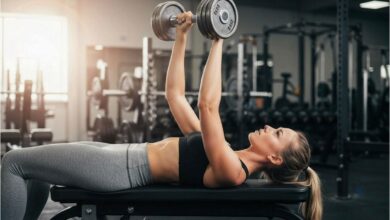
While some question the effectiveness of training without weights, calisthenics has proven its ability to significantly increase muscle strength. For example, when doing pull-ups, a person lifts their own body weight, which is equivalent to lifting a barbell.
According to a study in the International Journal of Exercise Science (2019), eight weeks of calisthenics training in men resulted in gains in upper body strength comparable to weight training.
- Development of Functional Motor Skills
Calisthenics helps improve functional strength—the kind needed for everyday tasks: picking up a child, climbing stairs, or maintaining balance on a challenging surface. This level of fitness not only helps you look better but is also vital. Research shows that functional training reduces the risk of falls and injuries in older adults by 25–40%.
- Developing technique and movement control
Bodyweight training helps build a foundation of strength, which is essential before moving on to weight training. Without the ability to do at least one proper push-up, attempting to lift a barbell can lead to injury. Furthermore, bodyweight training reduces the risk of compensatory movements, where the body tries to “cheat” the body. load.
- Complex load on all major muscle groups
Most calisthenics exercises involve several muscle groups. For example, squats engage the quadriceps, glutes, and abs, while push-ups engage the chest, triceps, and shoulders, making the workout effective and balanced.
- Gentle stress on joints and ligaments
Incorrect technique when lifting weights can lead to excessive strain on tendons and ligaments. At the same time, calisthenics promotes uniform muscle development, reducing the risk of injury, as shown by research from Northern Arizona University (2021).
- Development of neuromuscular coordination
Bodyweight training requires a high degree of control and coordination of movements, which stimulates not only the physical but also the neuromuscular system. A study published in Frontiers in Psychology in 2020 proves that calisthenics improves cognitive abilities, spatial orientation, and reaction time.
Where to start with calisthenics?
Beginners should start with simple exercises, gradually increasing the difficulty and intensity. The recommended set of starting exercises looks like this:
Basic exercises for beginners:
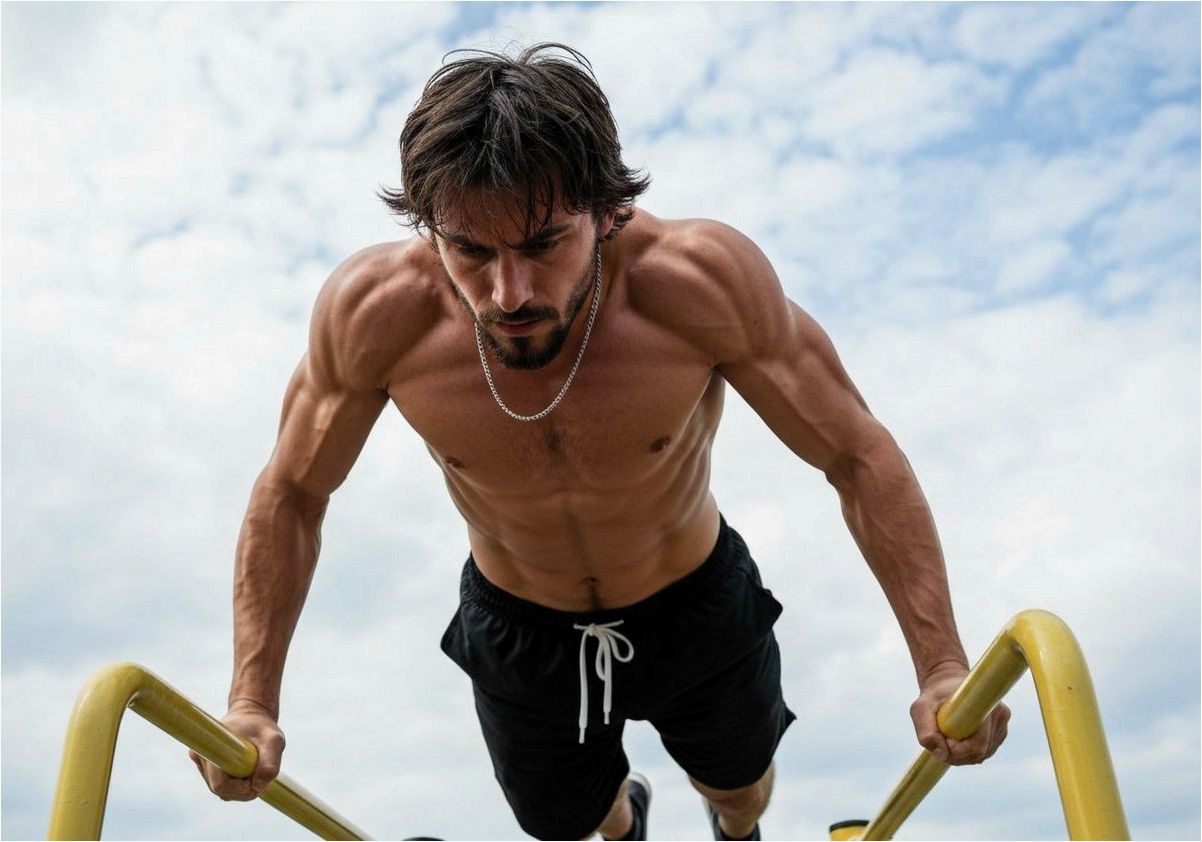
- Push-ups – strengthen the chest, shoulders, and triceps.
- Planks – develop the core, back, and stabilizer muscles.
- Lunges – help improve leg strength and mobility.
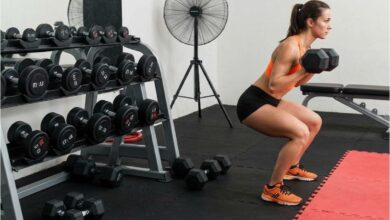
- Squats – engage the quads, glutes, and abs.
- Advanced:
- Pull-ups – help develop the back and arm muscles.
- L-seat – a gymnastic exercise for the abs, shoulders, and stabilizers.
- Pistol squats — Single-leg squat, which requires balance, strength, and flexibility.
- Burpees — simultaneously develop endurance and engage all muscle groups.
Example Workouts for Beginners
- Ladder Workout. Choose 3-4 exercises and perform 10 reps of each, then decrease the number — 9, 8, and so on — to one.
- Bodyweight WOD (Workout of the Day). Decide on the difficulty level: beginner, intermediate, or advanced, then perform all exercises in a circuit with minimal rest.
- Interval HIIT session. Perform each exercise for 30-45 seconds, followed by a 15-30 second rest. Repeat 3-5 rounds.
- Pay special attention to proper form—it’s more important than the number of repetitions. Allow time for recovery, otherwise progress will be hindered. Start with short sessions—even 10-15 minutes daily will make a positive impact.
Additional tips for an effective start:
- Warm-up: Before each workout, be sure to warm up. This will prepare your muscles and joints for work, reduce the risk of injury, and improve the quality of your exercises. You can include light aerobic exercise, rotational joint movements, and dynamic stretching.
- Progressively and listen to your body: Don’t rush into high reps or complex exercises. Increase the load gradually to avoid overexertion and injury.
- Breathing control: Proper breathing helps maintain stability and improves endurance. Typically, inhale when relaxing, and exhale when exerting effort.
- Keeping a training log: Record your results, number of repetitions, and how you feel after your workout. This will allow you to track your progress and adjust your program.
- Hydration and Nutrition: Maintain hydration and a balanced diet for optimal recovery and energy during workouts.
- Recovery: Include rest days and don’t forget to stretch after workouts to reduce muscle tension and prevent injury.
- Consulting a specialist: If you have any chronic illnesses or injuries, we recommend consulting a doctor or experienced trainer before starting workouts.
Results
Calisthenics isn’t just a fad, but a time-tested method that makes the body strong, mobile, and functional. It’s suitable for people of all ages and fitness levels, accessible in any setting, and doesn’t require expensive equipment. Do you want to better manage your body, avoid injury, and enjoy your workouts? Start with simple exercises, and calisthenics will become your reliable companion in taking care of your health.