Three breathing techniques to improve running endurance
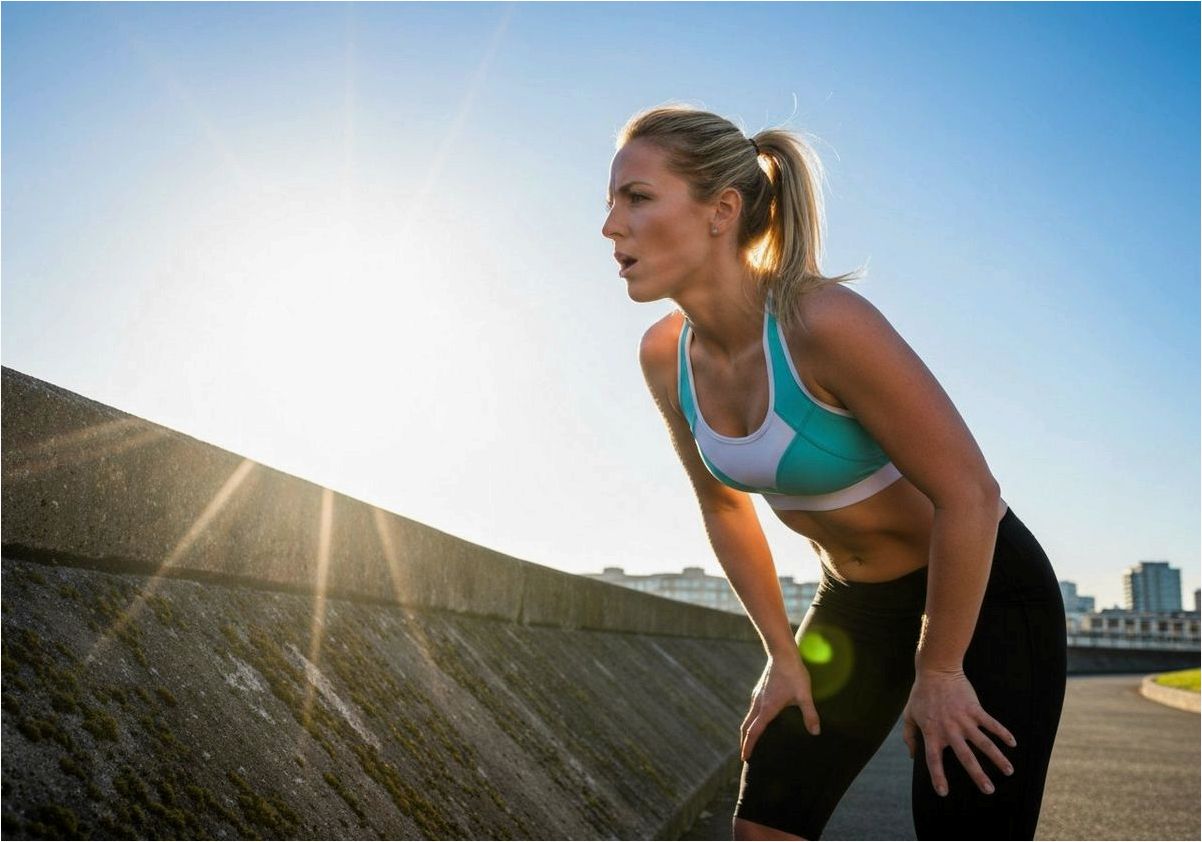
Proper breathing plays a fundamental role in effective running, along with precise movement technique and a consistently maintained pace. Not only your endurance, but also the comfort of the training process, the speed of recovery after exercise, and the likelihood of unpleasant sensations such as lateral spasms of the diaphragm depend on how well you control your breathing.
Contents of the article:
Three Proven Methods to Increase Endurance and Reduce Running Fatigue
Systematic execution breathing exercises outside of jogging, proper breathing during exercise will significantly improve your fitness and overall training performance.
1. Diaphragmatic breathing: learning to breathe from the “stomach” instead of breasts
Often, while running, many people breathe shallowly, using only the upper part of their lungs, which leads to insufficient oxygen saturation of the muscles and an accelerated onset of fatigue.
It is much more useful to use diaphragmatic breathing, or belly breathing. This method assumes that inhalation begins with the diaphragm lowering down, due to which air fills the lower parts of the lungs. This increases the amount of oxygen saturation in the blood and improves gas exchange in the body.
According to a study published in the journal Sports Medicine Open (2021), consistent practice of diaphragmatic breathing not only increases oxygen saturation of muscles, but also improves the body’s ability to retain carbon dioxide. This is especially important during long runs and endurance events.
In addition, this technique activates the deep core muscles, which strengthen trunk stability and help reduce the risk of injuries to the lumbar back and pelvis.
To practice diaphragmatic breathing, it is recommended to start with exercises in a calm state: lying on your back or sitting, place one hand on your chest and the other on your stomach. When inhaling, try to ensure that it is the arm on your stomach that rises, and the chest one that remains almost motionless. Regular practice will allow you to automate this type of breathing while running, which will significantly increase the effectiveness of your training.
2. Rhythmic breathing: align your breathing with your steps
One of the most important elements of breathing technique for runners is synchronizing inhalations and exhalations with the rhythm of steps. This harmony helps maintain a stable breathing rhythm and reduces the load on one side of the body.
The most commonly used scheme is: inhale for two steps, exhale for two steps. But a study from the University of Utah (2013) shows that with this rhythm, exhalation is often carried out on the same leg, which increases biomechanical load and increases the risk of injury.
An alternating rhythm is considered optimal, for example, inhaling for three steps and exhaling for two. This technique promotes even distribution of the load between both sides of the body and a comfortable feeling while running.
It is also useful to pay attention to changes in terrain and intensity of training, adapting your breathing rhythm to the current conditions. For example, when climbing, you can slow down your breathing rate, and during long flat sections, you can increase it. In addition to physical efficiency, this mindfulness of breathing reduces stress levels and improves concentration during the race.
Over time, the practice of rhythmic breathing will help reduce the feeling of shortness of breath and will allow you to maintain longer distances with less energy.
3. Breathing through the nose and mouth: how to choose the appropriate method
Inhaling air through the nose cleanses it, warms it and helps increase the volume of inhalation – this is especially true when running at a moderate pace. A review of research published in the Journal of Sports Research (2020) confirms that breathing through the nose increases oxygen saturation in the blood and promotes a steady breathing rhythm.
However, during intense exercise, such as sprints or hill climbs, the body requires more oxygen, so mouth breathing becomes a necessity. It is important to be able to flexibly change breathing techniques depending on the level of stress.
Research from the University of Colorado indicates that although breathing through the nose may seem difficult at first, adaptation occurs after 2-4 weeks of regular practice.
For better adaptation, it is recommended to include nasal breathing exercises in your daily training regimen, even in a calm state, for example, while walking or warming up. This will help strengthen your airways and improve your overall stamina.
You can also use the “box-drawing” technique. – breathing with equal intervals of inhalation, breath-holding and exhalation through the nose. This practice improves the body’s ability to use oxygen more efficiently and promotes muscle relaxation.
Exercises to train breathing outside of jogging
You can and should practice breathing techniques in a calm environment, which helps develop the right habits and strengthen the breathing muscles, especially the diaphragm. Here are some effective exercises.
Diaphragmatic breathing
- Lie on your back, place one hand on your chest, the other on your stomach.
- Inhale through your nose so that only the hand on your stomach rises.
- Exhale slowly through pursed lips, as if blowing out a candle.
- Perform 10–15 repetitions, then try the exercise while sitting, standing, or while moving.
Mini breath holds
The exercise is aimed for training diaphragm with the help of a slight breath-hold, creating a feeling of “air hunger”.
- Exhale completely.
- Hold your breath until you feel a slight desire to inhale.
- Proceed to calm nasal breathing for 2-3 minutes.
- Repeat 3-5 times.
Important: It is not recommended to perform this exercise if you have lung or heart disease without first consulting your doctor.
Breathing through pursed lips
This method helps control shortness of breath and reduces anxiety when walking and running.
- Inhale slowly through your nose.
- Purse your lips slightly, as if blowing out a candle.
- Exhale slowly, counting to four.
- Repeat several cycles.
Rhythmic breathing at rest
- Lie on your back and start doing diaphragmatic breathing.
- Count the inhalation for three seconds, the exhalation for two.
- After a few repetitions, incorporate rhythmic leg movements that imitate running.
How breathing changes depending on the intensity of your workout
The breathing process must be adjusted to the level of load:
- Low intensity: it is advisable to breathe through the nose, concentrating on even and deep breathing. This helps improve oxygenation of the blood and activates diaphragmatic breathing, which promotes relaxation and recovery.
- Moderate intensity (tempo runs): a good time to improve rhythmic breathing with a gradual transition to mouth breathing. During this period, it is important to find a comfortable rhythm, for example, “two breaths – three steps”, in order to stabilize breathing and avoid hyperventilation.
- High intensity (sprints, lifts): Mouth breathing becomes necessary to provide the muscles with the necessary amount of oxygen. At the same time, breathing becomes shallow and rapid, so it is important to control it so that excessive fatigue or dizziness does not occur.
Common mistakes
Failure to follow proper breathing technique not only reduces the effectiveness of training, but can also lead to injury. The most common mistakes include:
- Shallow chest breathing;
- Inhaling and exhaling too quickly;
- Lack of synchronization of breathing with movements.
In addition, it is important to consider the following points:
- Breathing through the nose: Not only is it useful at low intensity, but it also improves air filtration and humidification, which reduces the risk of respiratory irritation.
- Regular exercise to train the respiratory system: Practicing breathing techniques such as Buteyko breathing or yogic breathing can improve overall endurance and oxygen delivery efficiency.
- Recovery breathing: After intense exercise, it is recommended to return to deep diaphragmatic breathing through the nose to speed up recovery and relieve muscle tension.
Proper breathing technique not only improves athletic performance, but also promotes overall health by reducing the risk of hypoxia and reducing stress on the heart and lungs.
When to contact a specialist
If, despite mastering breathing techniques, you continue to experience difficulty breathing, pain, or do not achieve the desired results, it is recommended to consult a doctor or physical therapist. Possible causes may be hidden diseases, such as asthma, or disorders of body biomechanics. It can also be helpful to work with a running coach who can help you choose the best breathing techniques based on your fitness level and goals.
Bottom line
Proper breathing control is not just an additional skill, but the basis of effective running. Mastering breathing techniques increases endurance, reduces the risk of injury and increases the enjoyment of exercise. Don’t forget that breathing is a skill that requires regular practice. Start with exercises in a calm state, gradually integrating them into your running training. Within a few weeks, you will notice that your body works more smoothly, and running has become much easier.