The Enemy in the Mirror: How the Wrong Shades Can Make You Look Older
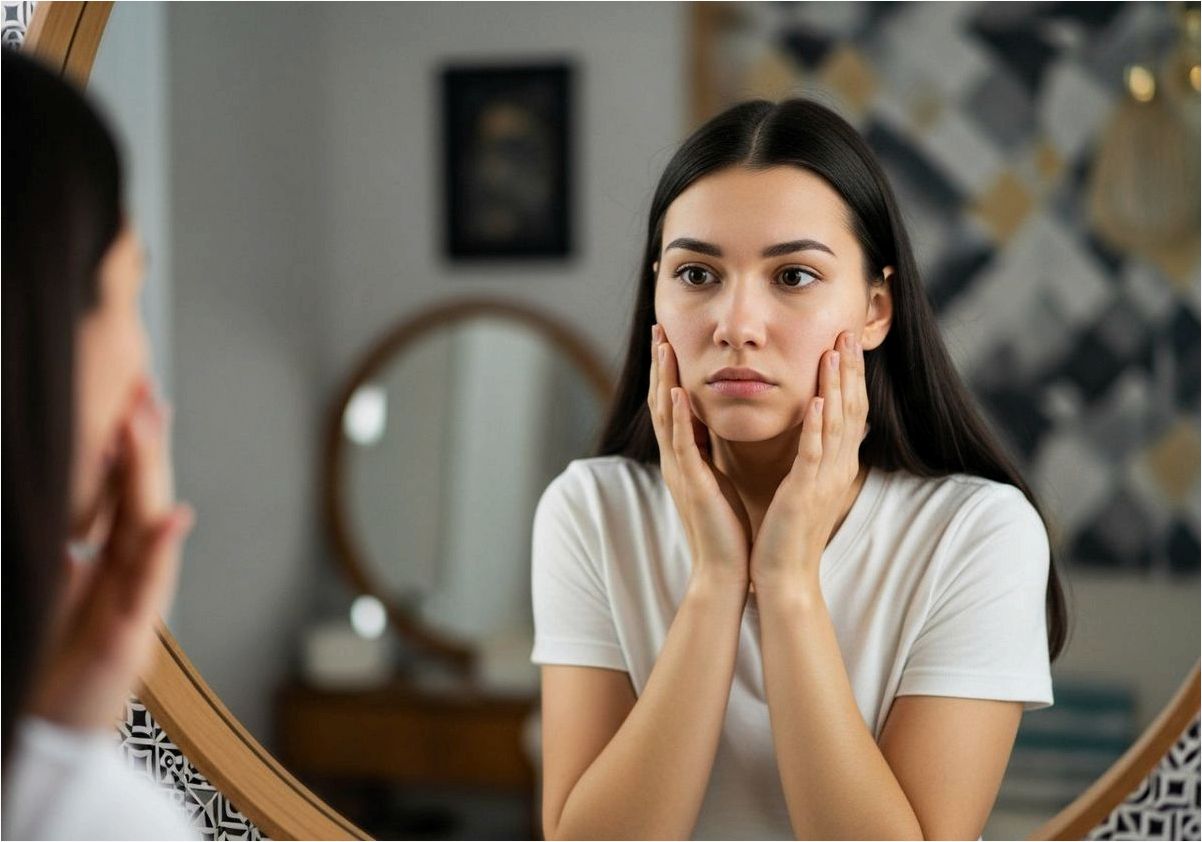
If color didn’t matter, we’d live in a world without shades—just black and white. However, colors play a key role, including in how we perceive a person’s appearance. Some shades help bring out natural beauty, while others can ruin it. Stylist Lida Sava, who specializes in analyzing appearance and color palettes, used Nicole Kidman as an example to explain why poorly chosen colors can ruin a look.
Article contents:
What is color type and why is it important to consider it?
A color palette is a unique combination of a person’s natural skin, hair, eyebrow, and eye tones. Depending on the dominant tones in your appearance, some colors will emphasize freshness and youthfulness, while others, on the contrary, will highlight flaws. Every woman dreams of looking well-groomed and sophisticated, rather than tired and aged. To achieve this, it’s important to determine your color type and choose clothing, makeup, and even hair color accordingly.
The 16-color system is a convenient and accurate tool that stylists use to determine color types. It categorizes appearances into four main groups: Spring, Summer, Fall, and Winter, each of which is further divided into four sub-types. Thanks to the 16-color system, you can find exactly the shades that best highlight a person’s natural beauty.
Taking color into account not only helps with choosing clothes and makeup but also significantly simplifies the shopping process, making it more informed and effective. Knowing your color type helps you avoid mistakes when buying cosmetics and accessories that might “clash” with your natural skin tone or look out of place. Additionally, well-chosen colors influence the overall impression: they can visually refresh the face, give it a glow, and improve your mood.
It’s also worth noting that your complexion can change with age, due to sun exposure, health, and lifestyle, so it’s helpful to periodically reassess your color palette. Experts recommend consulting professionals for an accurate determination of your type, or using reliable online tests and reference materials to guide your choices on your own.
Nicole Kidman: the star’s color type and its “enemies” and “friends”
Nicole Kidman belongs to the Dark Spring color type. People of this type are distinguished by their bright natural hair color, expressive eyes, and warm skin tone. Their appearance is best showcased when using pure, warm, and slightly muted shades.
Colors that “clash” with this color type
Some shades are categorically unsuitable for Dark Spring, as is clearly evident in Nicole Kidman’s looks.
Black. Shades of black and other dark colors do not flatter the face: they emphasize wrinkles and imperfections. This is less noticeable in youth, but over the years the effect becomes more obvious, especially outside of stage makeup and photo shoots.
Pink tones. The cool pink shades that Kidman sometimes chooses make her face look pale. Warm colors are characteristic of Dark Spring, and cool ones are not the best choice.
Cool nude shades. Dull, cool gray tones give the actress a sickly and tired appearance, as if “dulling” her radiance. These colors do not complement her energetic and warm complexion.
When Nicole wears clothes in pale pastel shades, such as blue or beige, her face loses its expressiveness, and fine lines become more noticeable.
Colors that enhance natural beauty
As for hair color, those with a Dark Spring color type should avoid blonde, especially ash blonde. Natural warm tones—red or caramel—look best on this type.
Green and golden shades. Dark Spring types look best in bright, warm, and pure colors, such as coral, dark green, and gold. These colors can beautifully highlight Nicole Kidman’s beauty, giving her face a radiant glow and expressiveness. You can see how stunning she looks in a green dress, set against her reddish hair, which is close to her natural color.
Red. Even in her mature years, the right shades can refresh her look. Brick red, deep red, and warm orange tones suit Nicole:
Additional recommendations for makeup and accessories
For Dark Spring types, which include Nicole Kidman, it’s not just clothing that matters, but makeup as well. It’s best to choose warm shades of makeup: peach blush, copper and terracotta eyeshadows, as well as brown or warm golden eyeliners. A bright yet subtle lipstick in coral or warm red shades will accentuate the lips without making the look too heavy.
Accessories should also complement the warm color palette. Gold and bronze look much more flattering than silver, and jewelry featuring natural stones in warm tones (such as amber, tiger’s eye, and green chrysoprase) will highlight the brightness and natural beauty of the Dark Spring look.
Looks for different seasons and occasions
In spring and summer, light fabrics and rich, warm colors—such as coral, salmon, or warm yellow—are perfect for Dark Spring. In the fall, feel free to choose mustard, chocolate, olive, and brick shades, which will highlight the natural warmth of your appearance. In the winter, however, it’s best to avoid colors that are too cool or dark, opting instead for soft golden and emerald tones that create a radiant and fresh effect.
How to determine your color type and choose the right wardrobe?
To accurately determine your color type, you need to consider your natural features—your natural hair, skin, eye, and eyebrow tones, without dyeing or cosmetic enhancements. Style experts use special color tests and observe how your face reacts to different shades.
Without a professional analysis, you can only assess the contrast in your appearance and determine whether light or dark tones suit you better. For example, women with dark eyes and hair should avoid overly pale shades—against this backdrop, their look appears unbalanced. And light-eyed blondes should avoid very dark colors, as they can highlight skin imperfections, wrinkles, and dark circles under the eyes, as Nicole Kidman’s example shows.
It’s quite difficult to determine your color temperature (warm or cool) without special tests. However, as a general rule, if you have naturally red hair, there is a high probability that warm colors will suit you in both your wardrobe and makeup.
Common mistakes in choosing makeup and clothing colors
Don’t buy makeup based on the color of the packaging or your intuition. Test the shade on your skin in natural light to avoid a dull or sickly effect.
Avoiding neutral and cool tones in favor of exclusively warm ones leads to a dated look. Powder, blush, and lipstick should harmonize with your skin tone.
- Clothing in colors that are too pale or ashy can make your face look tired and washed-out.
- Overuse of saturated reds and oranges can accentuate pigmentation, vascular changes, and skin imperfections.
- Dark colors never look good on a sallow complexion—instead of making you look younger, they make your appearance look heavy.
Check how your makeup and clothing colors complement each other. Mismatched tones create disharmony, making your facial features appear harsher and more tired.
Use a color palette based on your color type analysis: this helps you choose shades that refresh your look and visually take years off your appearance.
The Enemy in the Mirror: How the Wrong Shades Can Make You Look Older
If color didn’t matter, we’d live in a world without shades—just black and white. However, colors play a key role, including in how we perceive a person’s appearance. Some shades help bring out natural beauty, while others can ruin it. Stylist Lida Sava, who specializes in analyzing appearance and color palettes, used Nicole Kidman as an example to explain why poorly chosen colors can ruin a look.
Article contents:
What is color type and why is it important to consider it?
A color palette is a unique combination of a person’s natural skin, hair, eyebrow, and eye tones. Depending on the dominant tones in your appearance, some colors will emphasize freshness and youthfulness, while others, on the contrary, will highlight flaws. Every woman dreams of looking well-groomed and sophisticated, rather than tired and aged. To achieve this, it’s important to determine your color type and choose clothing, makeup, and even hair color accordingly.
The 16-color system is a convenient and accurate tool that stylists use to determine color types. It categorizes appearances into four main groups: Spring, Summer, Fall, and Winter, each of which is further divided into four sub-types. Thanks to the 16-color system, you can find exactly the shades that best highlight a person’s natural beauty.
Taking color into account not only helps with choosing clothes and makeup but also significantly simplifies the shopping process, making it more informed and effective. Knowing your color type helps you avoid mistakes when buying cosmetics and accessories that might “clash” with your natural skin tone or look out of place. Additionally, well-chosen colors influence the overall impression: they can visually refresh the face, give it a glow, and improve your mood.
It’s also worth noting that your complexion can change with age, due to sun exposure, health, and lifestyle, so it’s helpful to periodically reassess your color palette. Experts recommend consulting professionals for an accurate determination of your type, or using reliable online tests and reference materials to guide your choices on your own.
Nicole Kidman: the star’s color type and its “enemies” and “friends”
Nicole Kidman belongs to the Dark Spring color type. People of this type are distinguished by their bright natural hair color, expressive eyes, and warm skin tone. Their appearance is best showcased when using pure, warm, and slightly muted shades.
Colors that “clash” with this color type
Some shades are categorically unsuitable for Dark Spring, as is clearly evident in Nicole Kidman’s looks.
Black. Shades of black and other dark colors do not flatter the face: they emphasize wrinkles and imperfections. This is less noticeable in youth, but over the years the effect becomes more obvious, especially outside of stage makeup and photo shoots.
Pink tones. The cool pink shades that Kidman sometimes chooses make her face look pale. Warm colors are characteristic of Dark Spring, and cool ones are not the best choice.
Cool nude shades. Dull, cool gray tones give the actress a sickly and tired appearance, as if “dulling” her radiance. These colors do not complement her energetic and warm complexion.
When Nicole wears clothes in pale pastel shades, such as blue or beige, her face loses its expressiveness, and fine lines become more noticeable.
Colors that enhance natural beauty
As for hair color, those with a Dark Spring color type should avoid blonde, especially ash blonde. Natural warm tones—red or caramel—look best on this type.
Green and golden shades. Dark Spring types look best in bright, warm, and pure colors, such as coral, dark green, and gold. These colors can beautifully highlight Nicole Kidman’s beauty, giving her face a radiant glow and expressiveness. You can see how stunning she looks in a green dress, set against her reddish hair, which is close to her natural color.
Red. Even in her mature years, the right shades can refresh her look. Brick red, deep red, and warm orange tones suit Nicole:
Additional recommendations for makeup and accessories
For Dark Spring types, which include Nicole Kidman, it’s not just clothing that matters, but makeup as well. It’s best to choose warm shades of makeup: peach blush, copper and terracotta eyeshadows, as well as brown or warm golden eyeliners. A bright yet subtle lipstick in coral or warm red shades will accentuate the lips without making the look too heavy.
Accessories should also complement the warm color palette. Gold and bronze look much more flattering than silver, and jewelry featuring natural stones in warm tones (such as amber, tiger’s eye, and green chrysoprase) will highlight the brightness and natural beauty of the Dark Spring look.
Looks for different seasons and occasions
In spring and summer, light fabrics and rich, warm colors—such as coral, salmon, or warm yellow—are perfect for Dark Spring. In the fall, feel free to choose mustard, chocolate, olive, and brick shades, which will highlight the natural warmth of your appearance. In the winter, however, it’s best to avoid colors that are too cool or dark, opting instead for soft golden and emerald tones that create a radiant and fresh effect.
How to determine your color type and choose the right wardrobe?
To accurately determine your color type, you need to consider your natural features—your natural hair, skin, eye, and eyebrow tones, without dyeing or cosmetic enhancements. Style experts use special color tests and observe how your face reacts to different shades.
Without a professional analysis, you can only assess the contrast in your appearance and determine whether light or dark tones suit you better. For example, women with dark eyes and hair should avoid overly pale shades—against this backdrop, their look appears unbalanced. And light-eyed blondes should avoid very dark colors, as they can highlight skin imperfections, wrinkles, and dark circles under the eyes, as Nicole Kidman’s example shows.
It’s quite difficult to determine your color temperature (warm or cool) without special tests. However, as a general rule, if you have naturally red hair, there is a high probability that warm colors will suit you in both your wardrobe and makeup.
Common mistakes in choosing makeup and clothing colors
Don’t buy makeup based on the color of the packaging or your intuition. Test the shade on your skin in natural light to avoid a dull or sickly effect.
Avoiding neutral and cool tones in favor of exclusively warm ones leads to a dated look. Powder, blush, and lipstick should harmonize with your skin tone.
- Clothing in colors that are too pale or ashy can make your face look tired and washed-out.
- Overuse of saturated reds and oranges can accentuate pigmentation, vascular changes, and skin imperfections.
- Dark colors never look good on a sallow complexion—instead of making you look younger, they make your appearance look heavy.
Check how your makeup and clothing colors complement each other. Mismatched tones create disharmony, making your facial features appear harsher and more tired.
Use a color palette based on your color type analysis: this helps you choose shades that refresh your look and visually take years off your appearance.