How to choose a bike for outdoor fitness
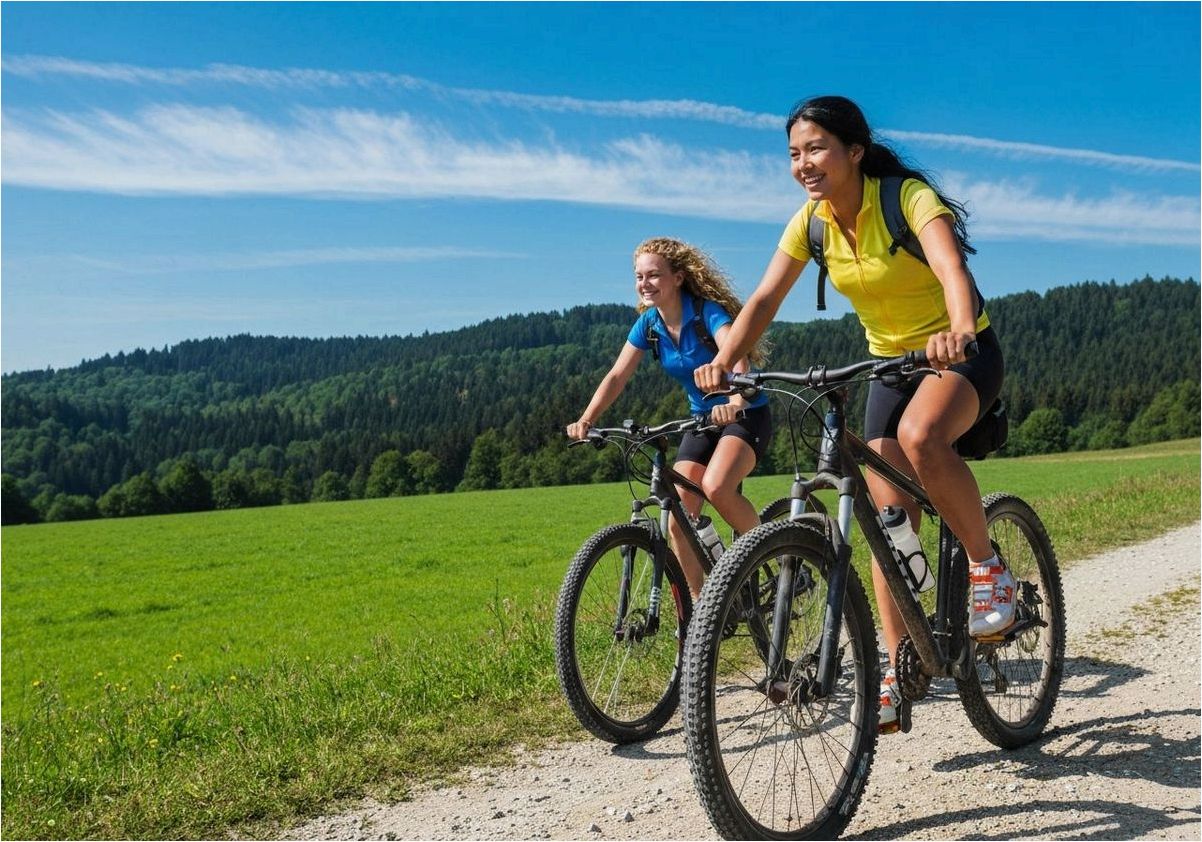
A bicycle is an excellent seasonal exercise tool for those who want to get rid of extra pounds and regain the shape lost during self-isolation: cycling is an effective cardioactivity , burning about 400 calories per hour. But how to choose the right one suitable model ?
Contents of the article:
the modern market offers bicycles of several main categories: mountain (MTB), road and their hybrid versions. In addition, there are specialized models for professionals and extreme disciplines. Thus, road bikes are designed for fast rides on smooth asphalt, BMX bikes are designed for stunts and acrobatics, and fat bikes are great for riding in the snow. If your goal is walks in the park or daily commute to work, these options can be excluded from the list.
The main thing is to choose between mountain and road bikes. Road bikes are characterized by a more upright seating position, often equipped with soft seats and low ground clearance. In addition, among them there are folding models that are convenient for city travel or outdoor trips by car. Mountain bikes offer a more relaxed posture and high ground clearance, which may seem inconvenient to some, but these are the models that overcome unevenness much more easily and rough terrain
For those who are just starting out
Beginners are advised to purchase the lightest possible bike within their budget. “The average price of a bicycle on our platform is approximately 18, 000 rubles. One of the key factors affecting cost is the frame material. The most affordable and durable, but quite heavy, are steel structures. A bicycle with such a frame can be found for as little as 5, 000 rubles. More advanced, but also more expensive, are aluminum or chrome-molybdenum frames. However, they can be purchased much cheaper on the secondary market,” explains Daria Kasyanova, C2C marketing manager at Avito.
The pandemic and the closure of fitness centers, along with holidays at dachas, have caused a real cycling boom – this season the demand for bicycles in Russia has increased by 36% compared to the previous year.
For beginners, a type of road bike called a cruiser is great. It attracts with its smooth lines and wide curved steering wheel (a striking example is the Electra model). These bicycles have a simple design and a comfortable ride, which reduces fatigue while walking. You can also consider an electric bike, which eliminates the need for effort when climbing.
For those with experience
If you plan to travel outside the city for long walks or hikes, you should pay attention to a mountain bike or its hybrid with a road bike. Such models have increased cross-country ability and are able to confidently cope with uneven surfaces, inclines and dirt roads. Bicycles with wide, textured tires and shock absorbers are recommended for comfortable overcoming obstacles.
In addition, it is desirable to have a large number of gears – especially low speeds make climbs easier. Models with a rack and straight handlebars are a good choice, as they make it easier to mount bags and additional equipment if you want to expand your equipment.
An equally important element is the braking system, especially the rear brake. It plays a key role during sudden braking. If the front brake works properly, but the rear brake works poorly, there is a risk of flying over the handlebars. Discussions about which brakes are better are ongoing, but rim brakes (v-brake) are more often used on budget bikes. They are easy to maintain and replace, but are susceptible to dirt, water and wheel deformations (the so-called “eights”).
It is also worth paying attention to the quality and material of the frame. Aluminum frames provide a good balance between strength and weight, while carbon frames are lighter and more comfortable, but significantly more expensive. Steel frames, in turn, are heavier, but perfectly dampen vibrations and are resistant to damage.
Don’t forget about choosing the right bike size – an incorrectly selected frame can lead to rapid fatigue and even injury. It is recommended to consult with professionals in the store or take a test drive before purchasing.
For experienced riders, the ability to customize the damping and suspension to suit personal preferences and trail type is also important. Many modern models offer adjustable spring rates and damping, which improves ride comfort and efficiency.
Finally, additional accessories such as high-quality headlights, a bell, rear-view mirrors and a bike computer will help make every ride not only comfortable, but also safe.
For experienced and professionals
Professional models are tailored to specific disciplines, such as cross-country, downhill or road racing. The characteristics of such bicycles differ significantly: for cross-country, lightweight construction is important, for road use, an aerodynamic shape, and for downhill racing, massive frames with excellent grip are important. Top models often use carbon or titanium frames – they are incredibly light, but require careful handling and are expensive.
In addition, professional bikes are equipped with high-quality equipment, such as hydraulic disc brakes, ergonomic shifters (gear shift levers) and adjustable shock absorbers. This improves ride comfort and control, reminiscent of driving a car. However, if such components break down, you will need to contact a specialized service.
Tips for caring for and maintaining your bike
Clean your bike regularly to remove dirt and dust using a soft brush and damp cloth to protect the frame and components from corrosion. Use special products to remove grease and resins on the chain, this will extend the life of the transmission.
Chain lubrication plays a key role: apply oil after every 100-150 km or after contact with water. Avoid excess grease – excess attracts dust and accelerates wear.
Check your tire pressure before every ride. Maintain the manufacturer’s recommended pressure to improve traction and reduce the risk of punctures.
Inspect your brakes and adjust them as necessary: If the brake pads are worn, replace them promptly to avoid damage to the rims or rotors.
Check the tightness of all bolts and components every two weeks or after intense training to prevent loosening and ensure safe riding.
After rain or riding in mud, dry your bike and lubricate moving parts to prevent rust and ensure quiet operation.
For storage, choose a dry, ventilated room, protected from sudden temperature changes. Use hanging mounts or stands to prevent deformation of the wheels and frame.