Watermelon: Good or Bad for Your Health?
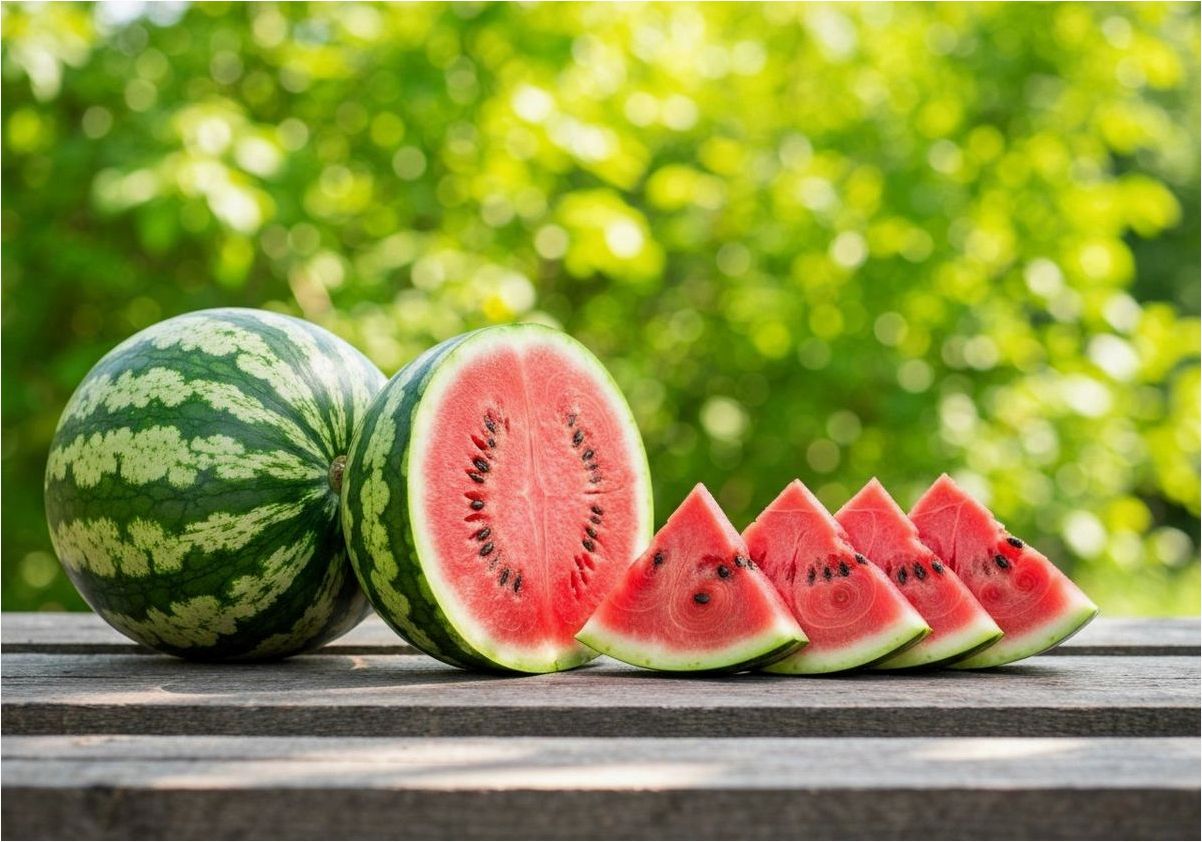
Many advocates of a healthy lifestyle consider watermelon to be a high-calorie food that shouldn’t be included in your daily diet. However, this fruit is a true treasure trove of nutrients that help boost your health. It’s important to understand the main properties of watermelon and learn how to eat it safely and with maximum benefit—that’s what this article is about.
Article contents:
from a botanical standpoint, watermelon is a berry with juicy flesh and a thick rind. The plant is believed to have originated in Ancient Egypt, from where it spread to warm regions around the world. Watermelon belongs to the gourd family, which also includes melons, cucumbers, and pumpkins. Most varieties have bright red flesh and a rind with green stripes or a marbled pattern, though there are also varieties with white, orange, or green flesh.
Watermelon is up to 90% water, making it an excellent way to maintain the body’s fluid balance, especially during the hot summer months. The flesh of the fruit contains essential B vitamins, vitamins C and A, as well as minerals—potassium, magnesium, and calcium. Additionally, watermelon is rich in antioxidants, including lycopene—a powerful compound capable of reducing the risk of cardiovascular disease and certain types of cancer.
It is also important to note that watermelon is low in calories—100 grams of the fruit contains only about 30 calories, making it a healthy treat for those watching their weight. Thanks to its fiber content, watermelon improves digestive function and helps eliminate toxins from the body.
However, despite all its health benefits, it is not recommended to overindulge in watermelon. Consuming large amounts of this fruit can cause increased gas and abdominal discomfort in people with sensitive stomachs or chronic gastrointestinal conditions. In addition, due to its high sugar content, watermelon should be consumed with caution by diabetics and those following a low-carbohydrate diet.
Nutritional value of watermelon
Watermelon is rich in nutrients such as vitamin C, folic acid, magnesium, and calcium. According to a study published in the *International Journal of Food Properties* (IJFP), it also contains high concentrations of lycopene. According to Oregon State University, lycopene is a carotenoid pigment found in red, orange, and yellow plants that has strong antioxidant and anti-inflammatory effects. It is lycopene that gives watermelon its characteristic red flesh color.
One cup (about 150 g) of fresh, diced watermelon contains:
Health Benefits of Watermelon
The nutritional properties of watermelon are impressive! Let’s look at the main benefits of eating it, as highlighted by nutrition experts.
- Reduces the risk of chronic diseases. Watermelon is rich in antioxidants, including vitamin C and lycopene. As noted in an article in the journal Oxidative Medicine and Cellular Longevity, free radicals generated in the body due to stress or air pollution can lead to oxidative stress and cell damage. Regular consumption of antioxidant-rich foods, such as watermelon, strengthens the body’s defenses and reduces the negative effects of free radicals.
- Supports cardiovascular health. Watermelon is not only a primary source of lycopene but is also rich in citrulline, which is important for normal heart and blood vessel function. Lycopene helps lower levels of “bad” cholesterol (LDL) and increase “good” cholesterol (HDL), thereby reducing the risk of heart disease. According to a study in the IJFP, citrulline plays a role in the production of nitric oxide—a substance that dilates blood vessels, improving blood circulation and oxygen supply to the heart.
- Protects vision. Lycopene helps slow the progression of cataracts and reduce the risk of age-related macular degeneration. A 2019 study in Oxidative Medicine and Cellular Longevity confirms that the antioxidant properties of carotenoids, which include lycopene, effectively protect eye tissues from oxidative stress.
- Relieves muscle soreness after exercise. Citrulline helps reduce muscle soreness in two ways. First, it stimulates the production of nitric oxide, which improves blood flow, supplying muscles with oxygen and nutrients for rapid recovery. Second, citrulline helps eliminate ammonia—a byproduct of protein metabolism—preventing the buildup of lactate, which causes muscle fatigue and pain.
- Promotes hydration. Watermelon is 92% water, making it one of the best natural ways to maintain hydration. According to the Mayo Clinic, proper hydration is important for regulating body temperature and lubricating joints. In addition to drinking plenty of fluids, eating watermelon significantly contributes to hydration.
- Promotes better digestion. Although watermelon is not high in fiber (less than 0.5 g per 100 g of flesh), its high water content aids digestion by facilitating the movement of food through the gastrointestinal tract. The fruit contains sorbitol, a sugar that promotes gentle digestion and helps normalize acidity.
- Supports the immune system. The vitamin C found in watermelon plays a key role in boosting immunity by stimulating the production of white blood cells and protecting the body from infections. Regular consumption of watermelon helps speed up recovery from illness and reduce inflammation.
- Lowers blood pressure. Thanks to its high potassium and magnesium content, watermelon helps relax blood vessel walls and improve blood flow, which helps regulate blood pressure. This is especially important for people with hypertension and a predisposition to cardiovascular disease.
- Promotes skin health. The vitamin A and lycopene in watermelon support skin health by helping to moisturize the skin and protect it from the harmful effects of UV rays. Antioxidants help slow down the aging process and reduce the appearance of wrinkles.
- Supports kidney health. Thanks to its high water and potassium content, watermelon improves kidney function, helping to flush out toxins and prevent the formation of kidney stones.
- It improves mood and reduces stress. Watermelon contains B vitamins, particularly vitamin B6, which plays a role in the synthesis of neurotransmitters such as serotonin and dopamine. This helps maintain emotional balance, reduce stress levels, and improve overall well-being.
When can watermelon be harmful?
In general, watermelon is safe for most people and does not cause adverse reactions, unless you have an allergy.
However, if you are prone to migraines, eating watermelon may be inadvisable. A study on neurological disorders showed that tyrosine, found in watermelon, can trigger headaches in people predisposed to migraines, as this amino acid affects nerve cells.
Also, those who frequently consume alcohol are advised to avoid watermelon, as high levels of lycopene can interact with ethanol, contributing to liver inflammation.
It is recommended to limit daily watermelon consumption to 100–150 grams.
How to Choose and Eat Watermelon Properly
The choice of watermelon variety depends on personal preference—you can buy red-fleshed, seedless, or yellow varieties. Keep in mind that varieties with orange and yellow flesh contain less lycopene—the main red pigment.
Watermelons are usually sold whole or pre-sliced. When choosing a whole watermelon, pay attention to its firmness and weight—a ripe watermelon should be heavy and firm. Avoid fruits with dents, spots, or other signs of damage. The underside should have a creamy-yellow hue, which indicates that it was harvested at the right time. Tap the watermelon—a ripe fruit will produce a ringing sound.
If storing a whole watermelon at home, you can leave it at room temperature for up to 10 days or place it in the refrigerator, where it will keep for up to three weeks. Be sure to wash the fruit before cutting it—the rind may harbor harmful bacteria. It’s best to store cut watermelon in an airtight container in the refrigerator for up to five days.
Recipes with Watermelon
Watermelon is perfect for making a variety of dishes—from refreshing drinks to cold soups. Here are a few ideas for enjoying this fruit in a delicious and healthy way:
- Salad. A refreshing summer salad can be made by mixing watermelon cubes with tomatoes, cucumbers, bell peppers, and red onion. Add Kalamata olives and feta cheese, and season with oregano, salt, pepper, olive oil, and fresh lemon juice.
- Smoothies. Watermelon pairs perfectly with other summer fruits—mango, strawberries, and cantaloupe—allowing you to create delicious and healthy smoothies.
- Grilled. Grilling gives watermelon an unusual sweet aroma with a slight smoky note.
- Soup. On a hot day, try making cold watermelon gazpacho—it’s a wonderfully refreshing dish.