What happens if you eat moldy food?
The last strawberry in the fridge looked so appetizing , but it actually tasted distinctly moldy? Don’t panic just yet. It’s quite possible that everyone has eaten slightly spoiled food at least once, often without even noticing it! How dangerous is this, and what should you do if you accidentally swallow a moldy berry?
Article contents:
mold on food does not usually pose a serious health risk, especially if only a small piece is eaten. Our bodies are capable of handling a certain amount of fungal spores and mycotoxins that mold can produce. However, if a food item is heavily moldy, toxic substances may form in it, causing food poisoning, allergic reactions, or digestive problems.
Symptoms of food poisoning after eating moldy food may include nausea, vomiting, stomach pain, diarrhea, and, in some cases, dizziness or weakness. If you notice any of these symptoms, it is recommended that you see a doctor.
What to do if you accidentally eat mold:
- Try not to panic and closely monitor how you feel over the next 24 hours.
- Drink plenty of fluids to help your body flush out potential toxins.
- Avoid eating heavy or fatty foods to reduce the strain on your stomach.
- If you experience severe symptoms of poisoning—such as vomiting, high fever, severe diarrhea, or weakness—seek medical attention.
To prevent such situations, it is recommended to carefully inspect food before consumption, store it properly, and, if mold appears, discard the spoiled parts or the entire product, especially in the case of soft fruits and vegetables, where mold can penetrate deeply inside.
What is mold?
Mold consists of microscopic fungi that can grow and spread on plant or animal products. Their thin filaments can penetrate deep into food. Mold spores, which are the reproductive units of mold, spread easily through the air and, when they land on any surface, quickly develop into a new mold colony.
How dangerous is mold?
The answer is not clear-cut. Some types of mold do not have a negative effect on the body, while others can trigger allergic reactions and respiratory illnesses. Particularly dangerous is so-called “black mold,” which is often found in damp building materials and, less commonly, in food, and can cause serious respiratory illnesses.
In addition, some types of mold release toxic compounds called mycotoxins, which can trigger various diseases. These toxins are most commonly found in grains and fresh vegetables or fruits. Mold can also be present in the air, inside refrigerators, on kitchen surfaces, and even on dish sponges.
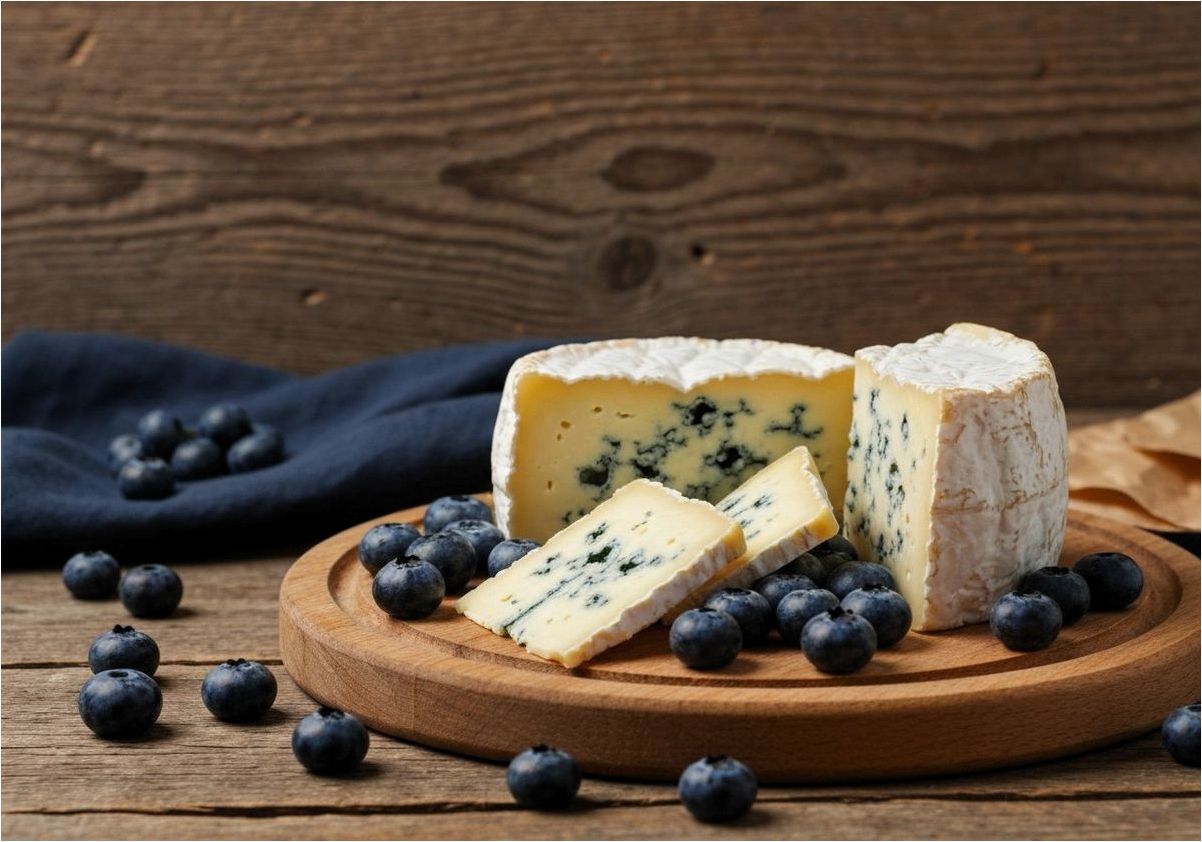
On the other hand, there are products for which mold is absolutely essential. For example, blue-veined cheeses—such as Roquefort, Dorbleu, Gorgonzola, and Stilton—are made using P. roqueforti (Penicillium roqueforti) spores, which are considered safe and essential for the production of these cheeses.
How risky is it to eat moldy food?
Raise your hand if you’ve ever simply cut off a moldy spot from bread or a vegetable and eaten the rest. We know this happens all the time. However, since mold spreads its roots throughout the entire food item, the best option is to throw away the moldy food entirely.
If we’re talking, for example, about a large piece of hard cheese with a small white coating, there’s good news: according to the U.S. Department of Agriculture (USDA), foods such as firm vegetables and fruits (carrots, cabbage), hard cheeses, and sausages, can be saved by cutting away at least 2 cm around and below the moldy spot. Be sure to clean the knife after each cut to avoid transferring spores to the clean part.
Soft foods with high moisture content—such as bread, yogurt, and canned goods—should be discarded immediately if mold appears, as fungi spread easily within their structure. The same applies to meat products and poultry, where moisture promotes the rapid growth of both mold and bacteria.
It is important to remember that some types of mold can produce mycotoxins—chemical compounds that are harmful to human health. These compounds are resistant to heat treatment, so even after heating or cooking, a spoiled product does not become safe to eat. Children, the elderly, and people with weakened immune systems are particularly vulnerable to mycotoxins.
To prevent mold growth, it is recommended to store food properly: keep perishable items in the refrigerator, use airtight containers, and avoid storing food for long periods. Also, check expiration dates regularly and inspect food carefully before consumption.
If you are unsure about the safety of a product showing signs of mold, it is best not to consume it. Health is more important than saving money, and the risks of food poisoning can be very serious.
What are the possible consequences of accidentally eating mold?
There’s no need to panic right away—the risk of severe poisoning from swallowing a small amount of mold is low. However, mold is a complex organism capable of causing various illnesses. Your body’s reaction depends directly on the state of your immune system.
According to Marina Yuabova, a nurse from New York: “If your immune system is functioning normally and you have healthy gut flora, mold will do virtually no harm to your health. But in people with weakened immune systems, ingested fungal spores can cause serious complications—a fungal infection can spread through the digestive system, the respiratory tract, and even reach the brain.”
If you have a chronic condition, a weakened immune system, asthma, or allergies, experts advise consulting a doctor after coming into contact with mold and starting treatment if necessary.
Nutritionist Lisa Richards recommends monitoring for symptoms similar to food poisoning (nausea, vomiting, fever, diarrhea, headaches, and dizziness). “In such cases, it’s worth adding probiotics to your diet and sticking to a gentle diet to restore the balance of beneficial bacteria in the gut and support the body,” she advises.
What measures can help protect food from mold?
It all comes down to two basic rules: proper storage and hygiene. Mold prefers a moist and warm environment, but it can grow in almost any conditions, including the refrigerator. When the spores dry out, they spread through the air in search of food and a favorable environment for growth.
The U.S. Department of Agriculture recommends always storing food in airtight containers or tightly covered containers, quickly cooling perishable foods, not leaving food at room temperature for more than two hours, and regularly keeping the refrigerator and pantry clean.
Before buying at the store, inspect the produce carefully and avoid damaged items. Although damage to an apple or pear doesn’t always mean there’s mold, structural damage creates the perfect environment for fungi to grow. It’s also a good idea to buy food in small quantities so you can eat it before it starts to spoil.