The Watermelon Diet
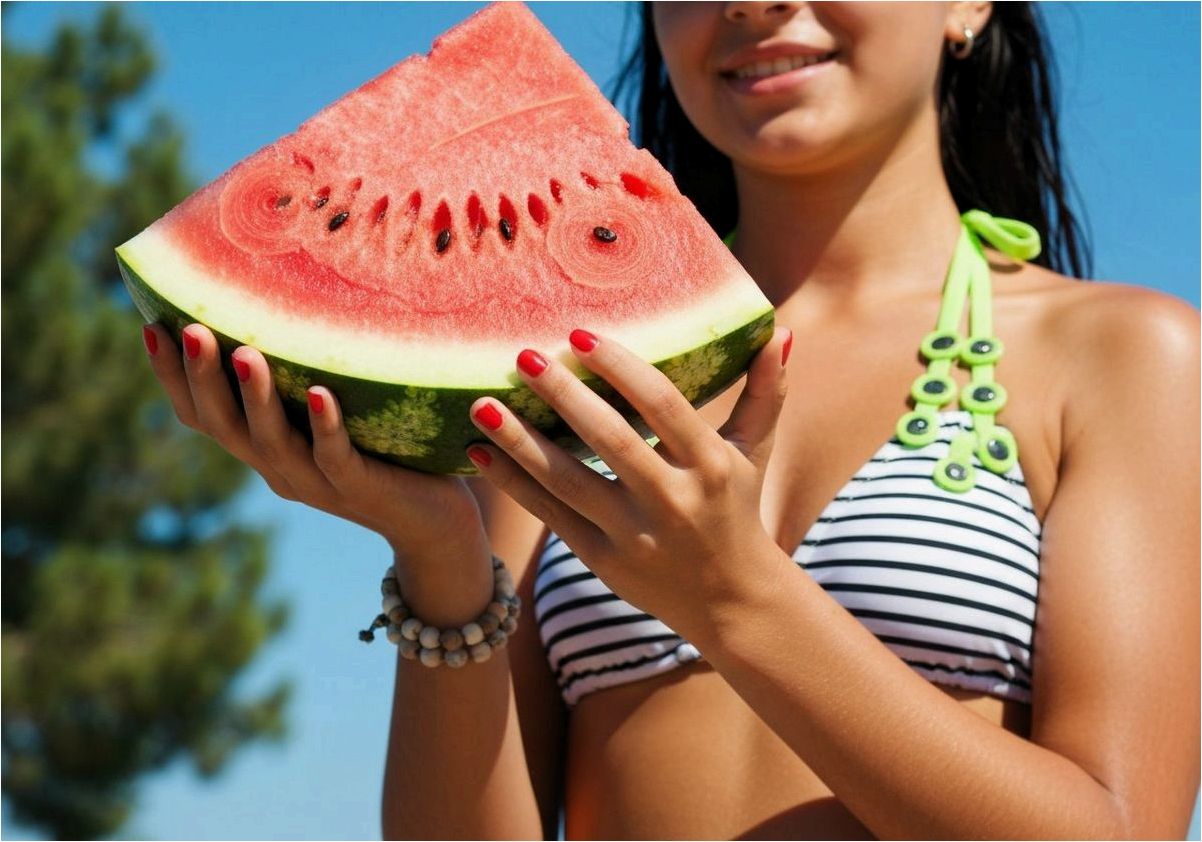
For five days (no longer), it is recommended to eat only watermelon, calculating your daily intake of watermelon flesh using the formula of 1 kg for every kilogram of your body weight. This amount should be divided into 5–6 meals.
Article Contents:
if you experience intense hunger, you may eat a small piece of whole-grain bread.
After that, you should follow a low-calorie, low-carbohydrate diet for ten days, focusing on a balanced diet.
Benefits of the Watermelon Diet
1. Improves bowel function
2. Lowers cholesterol levels
3. Helps eliminate toxins, waste, and sand
4. Cleanses the intestines and liver, and promotes bile flow
5. Stimulates kidney function
6. Helps combat excess weight
7. Provides the body with vitamins and antioxidants, such as vitamin C and carotenoids
8. Helps improve skin condition through its moisturizing effect and detoxification
9. Helps reduce swelling thanks to its diuretic effect
Who Should Avoid the Watermelon Diet
1. People with kidney stones
2. Patients with diabetes
3. Those prone to diarrhea
4. In cases of pancreatic disorders
5. In cases of congenital defects of the genitourinary system
6. Pregnant and breastfeeding women
7. Children and adolescents during periods of rapid growth
8. Individuals with low blood pressure or cardiovascular disorders without prior consultation with a doctor
Recommendations for Following the Watermelon Diet
To increase the diet’s effectiveness and reduce the risk of adverse effects, it is recommended to:
- Drink an adequate amount of clean water (at least 1.5–2 liters per day) to prevent dehydration;
- Avoid excessive physical activity during periods of strict calorie restriction;
- Gradually transition out of the diet by adding light proteins and vegetables to your diet to avoid sudden spikes in blood sugar and strain on the digestive system;
- Consult a doctor or dietitian before starting the diet, especially if you have chronic health conditions;
- Monitor your body’s reaction and stop the diet if you experience severe discomfort or a decline in well-being.
Recipes and Menus for the Watermelon Diet
For a balanced diet on the watermelon diet, combine watermelon with sources of protein and healthy fats start your day with a watermelon smoothie: 300 g of watermelon, 100 g of plain yogurt, and a handful of fresh mint. This drink is great for satisfying your hunger and staying hydrated.
For lunch, try a light salad with watermelon and feta:
- 150 g sliced watermelon
- 50 g feta cheese
- A few arugula leaves
- Olive oil and lemon juice for dressing
This combination will increase satiety and provide important micronutrients. For dinner, try chicken breast with a side of watermelon salsa:
- 150 g chicken breast, baked with herbs
- Salsa made from 100 g watermelon, finely chopped red onion, cilantro, and lime juice
This dinner is rich in protein and has a refreshing note that aids digestion.
For snacks, try watermelon slices with nuts or a small serving of cottage cheese with chopped watermelon. Expand your menu by adding fresh herbs and spices and pairing watermelon with vegetables—this will help maintain balance and variety.