4 Key Rules for Safe and Healthy Barbecuing
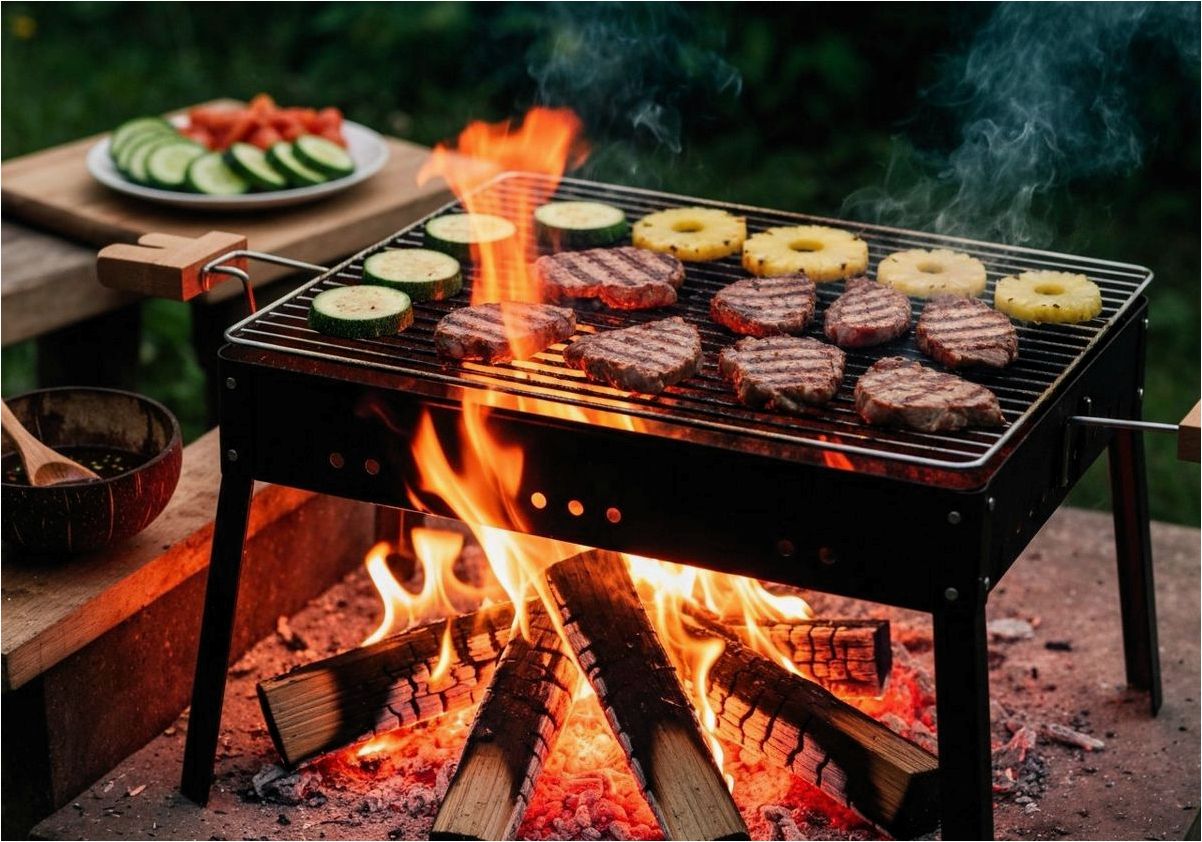
It’s really important to thoroughly clean the grill before cooking. Cheryl Lapotski, a specialist from a health and environmental organization, recommends washing the grill and drip pan with soapy water and a wire brush after every barbecue. This approach will protect your food from harmful microorganisms and prevent digestive issues. Before placing meat or fish on the grill, heat the grate over the fire for five minutes—this will help remove any residual cleaning chemicals.
Article Contents:
1. Label kitchen utensils
Many people don’t think about it, but cutting boards, marinade brushes, and tongs often become breeding grounds for harmful bacteria. To avoid cross-contamination, mark the tools you use for raw meat—for example, with nail polish—so you don’t accidentally use them for cooked dishes. Laptevsky advises placing meat on a rack immediately after removing it from the refrigerator to minimize the growth of microorganisms on the surface of the product.
In addition, it is recommended to use different colors of cutting boards and knives for different types of food: for example, red for meat, green for vegetables, and yellow for poultry. This significantly reduces the risk of bacterial contamination. After handling raw meat, be sure to thoroughly wash and disinfect all utensils with hot water and detergent, or use special kitchen disinfectants. It is also important to regularly replace kitchen sponges and cloths, as they provide a favorable environment for bacterial growth.
2. Use a thermometer to monitor the temperature
Without measuring the temperature, it is difficult to tell whether the meat has reached the required cooking temperature at which harmful bacteria, including E. coli and salmonella, are killed. Insert the thermometer probe into the thickest part of the cut or patty. The recommended temperature for chicken is 72°C, for beef 65–70°C, and for fish and pork 60–65°C.
It is important to remember that the thermometer must be inserted so that the tip does not touch bones or fat , as this may skew the reading. After removing the thermometer, disinfect the probe to prevent cross-contamination of food. It’s also important to note that the minimum safe temperature must be maintained for at least 15–20 seconds to kill pathogenic microorganisms.
If you don’t have a special device, you can also rely on visual cues: for example, chicken meat should be white and the juices clear, without any pink tints. However, using a thermometer is the most reliable way to ensure the safety and quality of the cooked dish.
3. Minimize the formation of carcinogens
“High temperatures and smoke contribute to the formation of carcinogens such as heterocyclic amines (HCAs) and polycyclic aromatic hydrocarbons (PAHs),” explains Sally Scroosard, clinical director of Anderson’s Cancer Prevention Center. PAHs form when fat drips onto the fire, causing smoke that carries these harmful substances onto the food. Therefore, lean meats such as chicken or turkey, as well as grilled vegetables, are considered the best choices for grilling. Controlling the temperature helps reduce the formation of ACAs: if your grill has a heat control, choose a lower setting. Otherwise, it is recommended to use the grill only to finish cooking pre-baked foods. Another way to reduce carcinogen formation is to marinate meat in lemon juice with herbs before grilling.
4. Follow hygiene rules when cooking
Wear clean gloves or wash your hands thoroughly before handling food. Avoid touching raw meat and cooked food with the same utensils.
- Use separate utensils and work surfaces for raw meat and vegetables to prevent cross-contamination.
- Wash knives, brushes, and skewers regularly, especially after contact with raw meat.
- Use separate plates for raw and cooked meat; do not transfer food from one plate to another without cooking it first.
- Keep your grill clean: disassemble and wash the grates after each use, and remove any grease or food residue.
- Store food at the proper temperature; do not leave it out in the open for more than 2 hours to prevent bacterial growth.
These simple rules will help you avoid food poisoning and keep your dishes tasting as fresh and appetizing as possible