10 Amazing Facts About Our Lungs
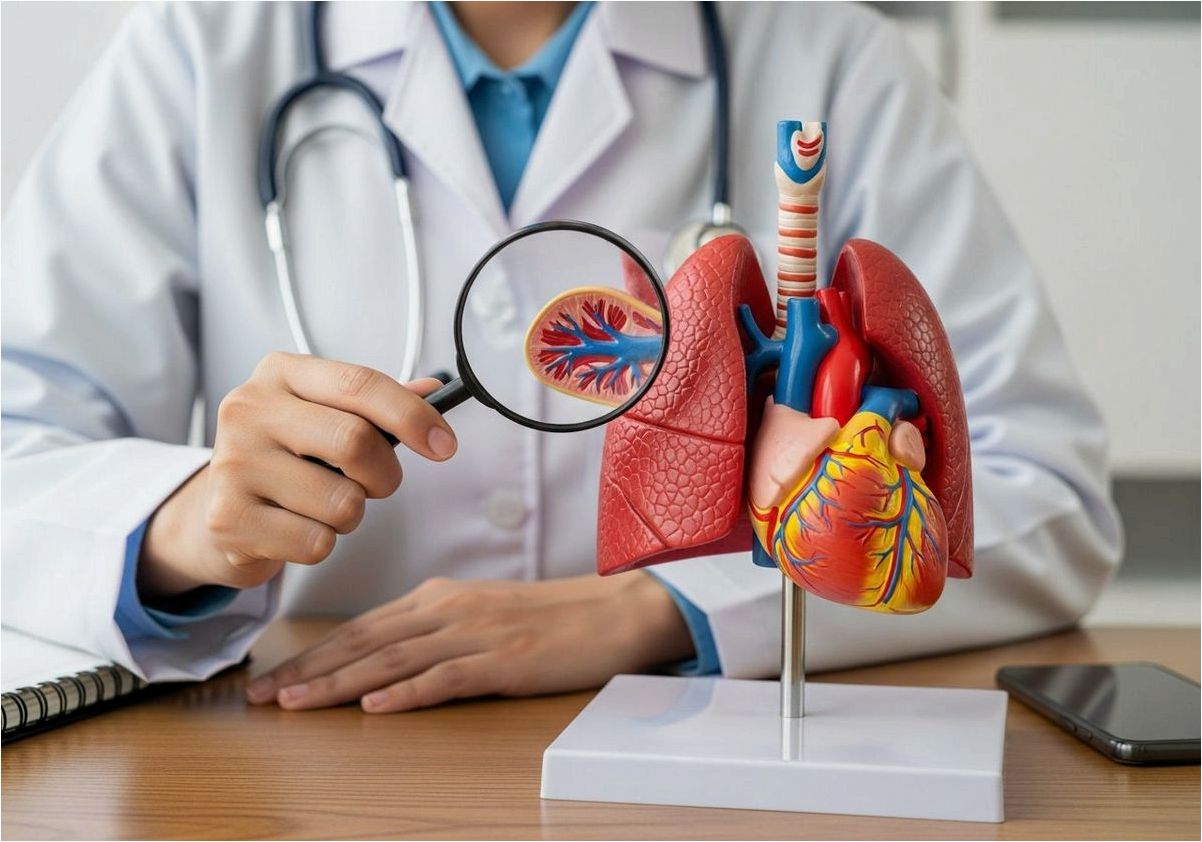
The human lungs are paired respiratory organs located in the chest that play a key role in the exchange of gases. They are made up of millions of small air sacs called alveoli, where oxygen and carbon dioxide are exchanged between air and blood. The lungs are protected by a pleural scar and have a complex structure that allows them to expand and contract with breathing. This process, carried out with the help of the diaphragm and intercostal muscles, allows us to inhale the oxygen necessary for life and remove carbon dioxide produced as a result of metabolism.
Contents of the article:
- 1. We do not take a breath because of a lack of oxygen
- 2. Holding your breath is a unique adaptation of the body
- 3. Full exhalation is impossible
- 4. Lung health starts in the gut
- 5. The lungs have their own cleaning system
- 6. With pneumonia, the lung tissue becomes as dense as the liver
- 7. The lungs are able to independently dissolve blood clots
- 8. Breathing changes with pneumonia
- 9. Breathing exercises are beneficial, but require caution
- 10. Each person has a unique “bronchial imprint”
- Breathing is a real miracle of biomechanics
1. We do not take a breath because of a lack of oxygen.
Many believe that inhalation occurs due to lack of oxygen. In fact, the stimulus for breathing is an increase in the level of carbon dioxide in the blood.
“The need to breathe arises due to the fine regulation of the respiratory center in the brain. As the concentration of CO₂ increases, the acidity of the blood increases, which activates special receptors that transmit a signal to the respiratory center, and we inhale,” explains Candidate of Medical Sciences, senior researcher at the Department of Chemistry and Biotechnology. PNIPU Valery Litvinov.
On average, a person makes from 20 to 25 thousand inhalation and exhalation cycles per day, while at rest only about half a liter of air is used. The rest of the lung volume is a reserve that is used during physical activity.
2. Holding your breath is a unique adaptation of the body
Holding your breath for several tens of seconds is not just a manifestation of willpower, but a complex process affecting the heart, blood vessels and brain.
“Before holding your breath, the body takes several deep breaths to accumulate oxygen and reduce the concentration of carbon dioxide. The heart rate slows down, the blood vessels narrow, blood is redistributed to the brain and the most important organs, which allows you to extend the time without breathing,” says Litvinov.
However, this mechanism is limited – after 40-60 seconds, when the CO₂ level reaches a critical value, the respiratory center takes control and we are forced to inhale.
3. Full exhalation is impossible
Even with the deepest exhalation, there is still about one and a half liters of air left in the lungs – this “residual volume” prevents the alveoli from sticking together.
“Alveoli are tiny air bubbles where gases are exchanged. To prevent them from sticking together, the inner surface is covered with a surfactant – a special substance consisting of a mixture of fats and proteins that reduces surface tension,” explains the specialist.
Without surfactant, breathing would require incredible effort to “straighten” the air. lungs with each new breath.
4. Lung health starts in the gut.
Surprisingly, the intestinal microflora directly affects the functioning of the lungs through the so-called “gut-lung axis”.
& ldquo; Beneficial bacteria produce fatty acids that enter the lungs with the bloodstream, strengthening their immune defense and reducing inflammation. Microflora disturbances increase the risk of colds, asthma and pneumonia,” says Dr. Professor of the Department of “Environmental Protection” PNIPU Oleg Dolgikh.
Proper nutrition is the basis for good breathing: vegetables, whole grains, fermented milk drinks and fish rich in omega-3 will help support the pulmonary system.
In addition, it is beneficial to include foods rich in prebiotics in your diet, such as garlic, onions, bananas and asparagus. They promote the growth of beneficial bacteria in the intestines, which has a positive effect on the overall immune resistance of the body. It is also important to avoid excessive use of antibiotics without a doctor’s prescription, as they can disrupt the microflora and weaken the protective functions of the lungs.
Regular exercise and quitting smoking further strengthen the health of the respiratory system, improving ventilation and reducing inflammation. Maintaining the balance of the intestinal microbiota is becoming an increasingly relevant strategy for the prevention of respiratory diseases.
5. The lungs have their own cleaning system.
Our lungs work like a multi-level filter, effectively trapping even the smallest pollutants.
“Large particles settle in the nasopharynx, then the cilia of the bronchi turn on, which push foreign substances out. In the most remote areas of the lungs, macrophages literally absorb dust and microorganisms,” explains Dolgikh.
When this mechanism is disrupted, for example due to smoking, filtration worsens and the likelihood of inflammation increases significantly.
In addition, the mucous membrane of the respiratory tract constantly secretes mucus, which traps particles of pollution and pathogens. The cilia of the bronchi, continuously moving in one direction, move this mucus along with the trapped particles to the pharynx, from where they are removed through coughing or swallowing.
Regular hydration of the body and breathing fresh air help maintain healthy mucous membranes and the effectiveness of cleansing processes. It is also important to avoid exposure to harmful substances such as dust, chemicals and tobacco smoke so as not to overload the lungs’ natural defenses.
6. With pneumonia, the lung tissue becomes as dense as the liver.
Severe cases of pneumonia can radically change the structure of the lungs.
“In the phase of “red hepatization” the alveoli fill with fluid, immune cells and fibrin, a protein that thickens the tissue. Because of this, the lung becomes similar to the liver in density,” says Dolgikh.
As a result, oxygen stops penetrating into the blood, and carbon dioxide accumulates, which causes severe shortness of breath and a feeling of lack of air in patients.
If the inflammatory process continues, a subsequent phase develops – “gray hepatization”, when the lung tissues become less saturated with blood, and inflammatory cells and fibrin continue to interfere with gas exchange. This process can lead to the formation of adhesions and scar tissue, which reduces the elasticity of the lungs and impairs their function even after recovery.
Modern treatment of pneumonia is aimed not only at eliminating the infection with antibiotics, but also at maintaining respiratory functions. In severe cases, oxygen therapy or even mechanical ventilation may be required to ensure adequate oxygenation of the blood and prevent respiratory failure.
Early diagnosis and timely initiation of therapy significantly increase the chances of restoring normal lung structure and function.
7. The lungs are able to independently dissolve blood clots
Few people know that it is the lungs that play an important role in eliminating microthrombi.
“Small blood clots constantly appear in the vessels, but in the lungs they are quickly destroyed under the influence of the enzyme plasmin. It decomposes fibrin, a structural component of the clot, and macrophages complete the cleaning of blood vessels,” notes Litvinov.
This process also helps the body recover from inflammatory diseases, including pneumonia.
8. Breathing changes with pneumonia
During pneumonia, a change in breathing patterns occurs.
“Due to pain and inflammation of the pleura, the movement of the diaphragm becomes difficult, causing breathing to become costal. The body resorts to compensatory mechanisms to increase gas exchange,” explains Dolgikh.
Although this allows adaptation, after recovery it is necessary to restore respiratory functions with the help of exercises and physiotherapy.
9. Breathing exercises are beneficial, but require caution.
Short respiratory training improve metabolism, strengthen blood vessels and increase resistance to stress.
However, prolonged breath holdings (over 5 minutes) are dangerous and can lead to brain hypoxia and cardiac dysfunction.
“In severe pneumonia, any attempts to hold your breath are contraindicated, since this increases the load on the weakened lungs and causes oxygen starvation,” warns Dolgikh.
10. Each person has a unique “bronchial imprint”
The bronchi in the lungs are divided according to the principle of “dichotomous branching”: each bronchus bifurcates, but the shape, length and angles of the branches are individual for each person.
“The structure of the bronchial tree is unique, like a fingerprint. Using computed tomography, you can accurately identify a person based on this pattern,” says Litvinov.
This discovery is already being used in planning surgical operations and diagnosing lung diseases.
Breathing is a real miracle of biomechanics
The lungs are an important part of the respiratory system, providing the body with oxygen and removing carbon dioxide. They consist of four main parts: the upper, middle and lower lobes, each of which has its own alveoli where gas exchange occurs. The lungs are protected from the external environment, and their work is regulated by the nervous system. In addition, the lungs play a role in maintaining acid-base balance balance blood and participate in immune defense. Lung diseases such as asthma, bronchitis and pneumonia can significantly reduce quality of life, so it is important to take care of your respiratory health.
The lungs are more than just a pump for transporting oxygen. It is a complex biological system that combines chemistry, mechanics and immunology. They know how to cleanse themselves, restore themselves, filter blood and interact with other organs. Understanding this fragile yet powerful system helps us look at each breath with special gratitude.