Should You Choose Pilates Over Yoga?
a?
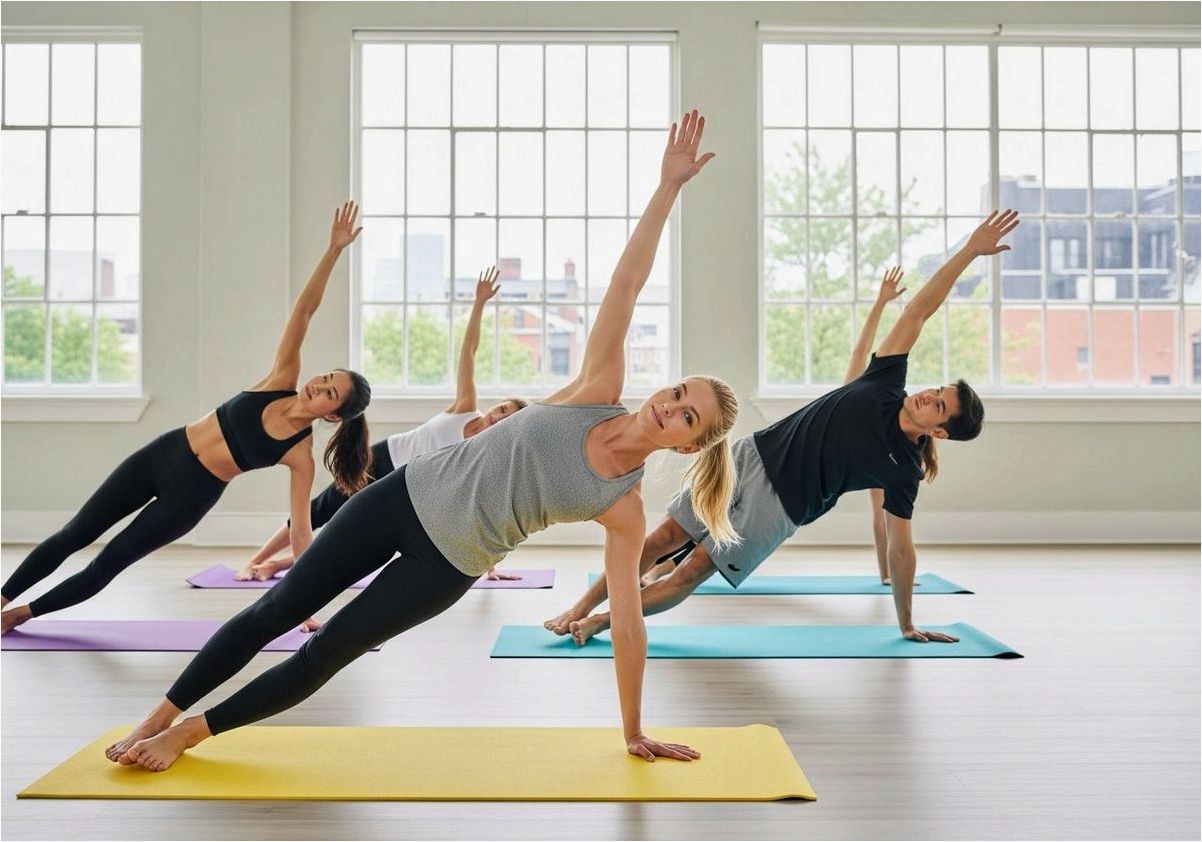
At first glance, yoga and Pilates seem practically identical: the same mat, bodyweight exercises, and smooth, precise movements. Even the emergence of hybrid styles like yogalates reinforces the impression that there is no significant difference between them. However, this is only a superficial impression. In reality, these practices differ significantly—both in their philosophical foundations and in their approaches to working with the body.
Article contents:
the modern lifestyle, with its prolonged sitting and constant smartphone use, as well as the widely discussed problem of “text neck” (neck pain caused by tilting the head downward), literally forces many people to seek ways to restore their body’s freedom of movement and achieve effective stretching. In such cases, two alternatives most often come to mind—yoga and Pilates. To make the right choice, it’s important to understand the nuances of both practices, setting aside stereotypes and trendy clichés.
Two Approaches to the Body, Two Unique Histories
If you’ve ever been to a yoga class, you’ve probably heard terms that sound strange to the uninitiated, such as adho mukha svanasana or utkatasana—commonly known as “downward-facing dog” or “chair pose.” The use of Sanskrit isn’t just a nod to exoticism, but a reminder of a millennia-old tradition. Yoga originated on the Indian subcontinent and was originally conceived as a comprehensive practice involving the body, breath, and mind.
Pilates, on the other hand, is a relatively young method. Its creator, the German Joseph Pilates, developed the system in the 1920s, drawing on his experience working with wounded soldiers after World War I. The goal was to restore strength, flexibility, and control over the body through specially selected exercises.
These historical differences are clearly reflected in their philosophical approaches. Yoga traditionally views the human being as a whole—a unity of the physical body, the mind, and inner energy. It encompasses not only physical asanas but also breathing exercises, meditation, and the cultivation of mindfulness. In contrast, Pilates is primarily a “physical” system that focuses on developing muscle strength, endurance, stability, and precision of movement. Attention and concentration are important, but spiritual aspects are not part of the practice.
Distinctive Features of Movements in Each Practice
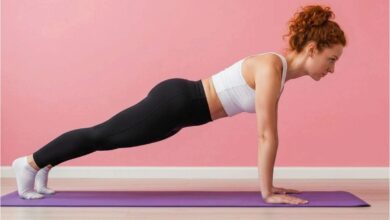
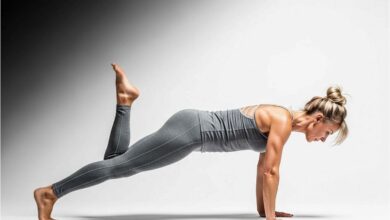
Yoga and Pilates are both based on sequences of poses and movements, some of which overlap—for example, the plank is found in both yoga and Pilates. However, the nature of the exercises performed differs significantly.
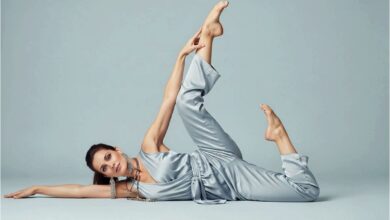
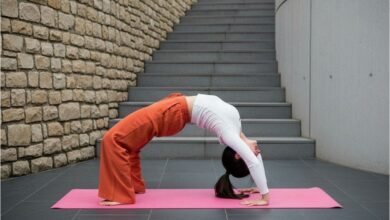
In yoga, that are familiar to many even without practical experience: stretching in the “downward-facing dog” pose, stable and mindful standing in “mountain pose,” deep relaxation in shavasana, when the body rests and the nervous system receives a signal to release stress and tension pilates offers a different range of sensations. Here, you often work while lying on your back, holding your legs in the air, engaging the deep
core muscles A set of exercises , such as the “hundred,” the slow roll-up, or alternating leg lifts, requires exceptional precision, strength, and control—without jerks or momentum variety in formats: from meditation to spring-loaded machines
Variety of Formats: From Meditation to Spring-Based Exercise Equipment
Pilates has fewer variations, but there are fundamental differences between them. Mat Pilates is performed on the floor without any additional equipment, which is convenient for
home use and travel. Another option is Reformer Pilates, which involves working with a special machine equipped with a moving platform and a spring system that provides resistance. An interesting paradox: the greatest effect occurs precisely with minimal load, when the muscles are required to maintain maximum stability without external support how to choose the right practice?
How to Choose the Right Practice?
posture , and foster greater body awareness. Scientific studies confirm that both yoga and Pilates increase muscle strength and expand range of motion however, Pilates has a distinct advantage in the areas of rehabilitation and managing chronic pain. It was originally developed as a restorative method, and today it is widely used in physical therapy, especially for
strengthening the core muscles and stabilizing the spine yoga, on the other hand, excels at supporting the nervous system. It helps reduce stress, improve concentration, and restore harmony to your breathing and internal rhythm.
In reality, there’s no need to choose just one. Yoga and Pilates complement each other perfectly: the former develops flexibility, balance, and mental clarity, while the latter builds strength, stability, and gives you the feeling of a strong, “supported” body. Together, they form a small universe in which we intuitively seek not just
a workout , but a full-fledged life practice should you choose Pilates over yoga?