Yoga During Pregnancy: 7 Effective Poses for Expectant Mothers
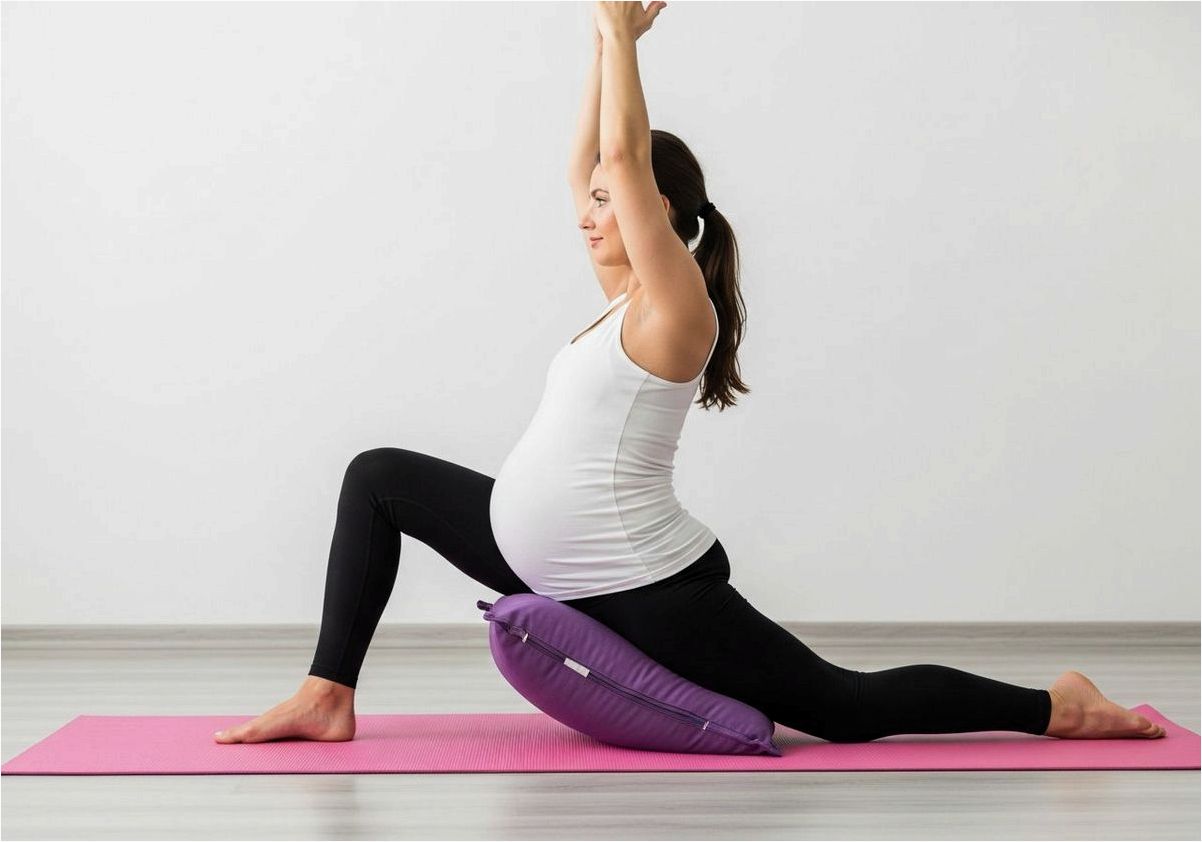
During the first weeks of pregnancy, it is recommended to refrain from active yoga practice until the first prenatal screening at 11-13 weeks. However, the second trimester is often called the “golden period” for yoga practice. Marina Badri, yoga instructor and XFIT master trainer, has created a specially adapted routine for pregnant women. If there are no medical contraindications to physical activity, you can safely begin performing these 7 simple and yet very beneficial asanas, following the correct technique.
Article Contents:
A properly selected set of poses can help alleviate many unpleasant sensations. For example, seated asanas reduce heartburn, and gentle forward bends are excellent for preventing back pain. By the third trimester, some poses become difficult due to the growing belly, so it’s helpful to use additional support, such as pillows and blankets. At this stage, special attention should be paid to poses that improve circulation in the legs and pelvic area.
- Structure of the class. Perform the asanas sequentially, controlling your breathing: inhale through your nose and exhale through your mouth (this technique will also be useful during labor). Take your time and be especially careful when working with joint mobility, as the hormone relaxin softens ligaments during pregnancy.
- What you’ll need: a yoga mat, 2 bolsters or a rolled-up blanket, 2 yoga blocks, a yoga strap (a robe belt can be used instead), and a pillow if needed.
Warnings! During this class, the following are prohibited: asanas that involve tensing the abdominal muscles; lying poses on the stomach; breathing techniques that actively engage the diaphragm and abdominal muscles; holding the breath; crossing your legs; deep forward bends and arches; twists and jumps.
1. Dynamic Cat Pose
Get on all fours, placing your knees hip-width apart and your palms shoulder-width apart. As you inhale, slowly arch your back, moving it like a wave from your tailbone to the crown of your head. As you exhale, round your back, vertebra by vertebra, spreading your shoulder blades wide. Keep your arms straight. If you feel lower back pain, pause as you exhale with your back rounded, pushing your pelvis in as much as possible. Repeat this breathing cycle 10 times.
2. Cow Face Pose (Hands-Option)
Sit on a bolster or rolled blanket. Raise your right arm up and your left arm down, bend your elbows, and try to interlace your fingers behind your back. If this is difficult, use a yoga strap or robe belt to clasp your hands. Your right elbow should point up and your left elbow should point down; be careful not to arch your lower back too much. Hold the position for 3-5 breaths, then switch arms and repeat the exercise.
From the 24th to the 30th week of pregnancy, the fetus is actively growing. A woman’s body may not have time to adapt to these changes, which can sometimes be accompanied by symptoms of morning sickness.
3. Simplified variation of fish pose
Take two yoga blocks or a rolled-up blanket. If you’ve chosen blocks, lie on your back and place one block under the back of your head, resting it on the long edge, and the other block horizontally under your shoulder blades. If using a blanket, place it along the short edge of the mat. Sit with your back to it, about a forearm’s length away, and then carefully lie down so the blanket supports your shoulder blades. Your head should touch the floor. If you experience neck discomfort, place a pillow under your head for support. If you experience lower back pain, place the blanket higher, closer to your head. Extend your legs or bring your feet together and spread your knees. Clasp your elbows with your palms and pull them back behind your head. Perform 5-10 breaths, then switch grips and repeat.
4. Variation of the Bent-Over Wall Pose
Lie on a mat facing the wall, bringing your pelvis as close to the wall as possible. Place a bolster or rolled blanket under your pelvis to elevate it above head level. Raise your straight legs and place them on the wall. Hold this position for 3 to 10 minutes, depending on how you feel.
During the third trimester, gentle inversions help the baby assume the correct head-down position for birth.
5. Bound Angle Pose
Sit on your buttocks, facing your back to the wall, bend your knees and spread them apart, drawing your heels as close to your groin as possible. Grasp your feet with your hands and gently lift and lower your knees a few times, mimicking a butterfly pose. Then, lift the crown of your head upward, lower your shoulders and shoulder blades, using your hands to help you. Keeping your back straight, gently lean forward, placing your hands on your inner thighs, and gently draw your belly toward your feet. Repeat for 10 breaths.
6. Extended Angle Pose
Sit on your buttocks, straighten your legs, and spread them apart so your toes point toward you. Place two bolsters or a rolled blanket in front of you to support yourself. On an inhale, gently bend forward, keeping your back straight. Relax your neck and lower your shoulders. Breathe for 10 to 20 cycles, depending on how comfortable you feel.
Starting from the 36th week of pregnancy, it is recommended to always take all necessary documents with you when leaving the house: labor may begin earlier than expected, and there is a high risk of rapid hospitalization.
7. Variation of the Cat on the Elbows Pose
Get on all fours, knees level with your pelvis, palms shoulder-width apart. Lower your arms and support your body with your forearms. Lengthen your spine from the crown of your head to your tailbone, relaxing your abdomen. Take 5 to 10 breaths, depending on how you feel.
The Impact of Regular Exercise on Self-Perception
Physical activity directly impacts the body’s hormonal balance. Regular exercise increases the production of endorphins and serotonin, known for their stress-reducing properties. This helps better cope with anxiety and irritability, which is especially important during pregnancy. “Properly chosen exercise positively impacts various body systems and provides a boost of energy,” notes Sergey Kiselev, an XFIT specialist. “After just 2-4 weeks of regular exercise, you will notice increased endurance, improved sleep quality, and improved overall body tone.” Furthermore, regular practice boosts self-confidence. “Exercises build character: they teach discipline, develop patience, and perseverance,” adds Yulia Gulyaeva, an XFIT expert.