5 Ballet Exercises for Back Health
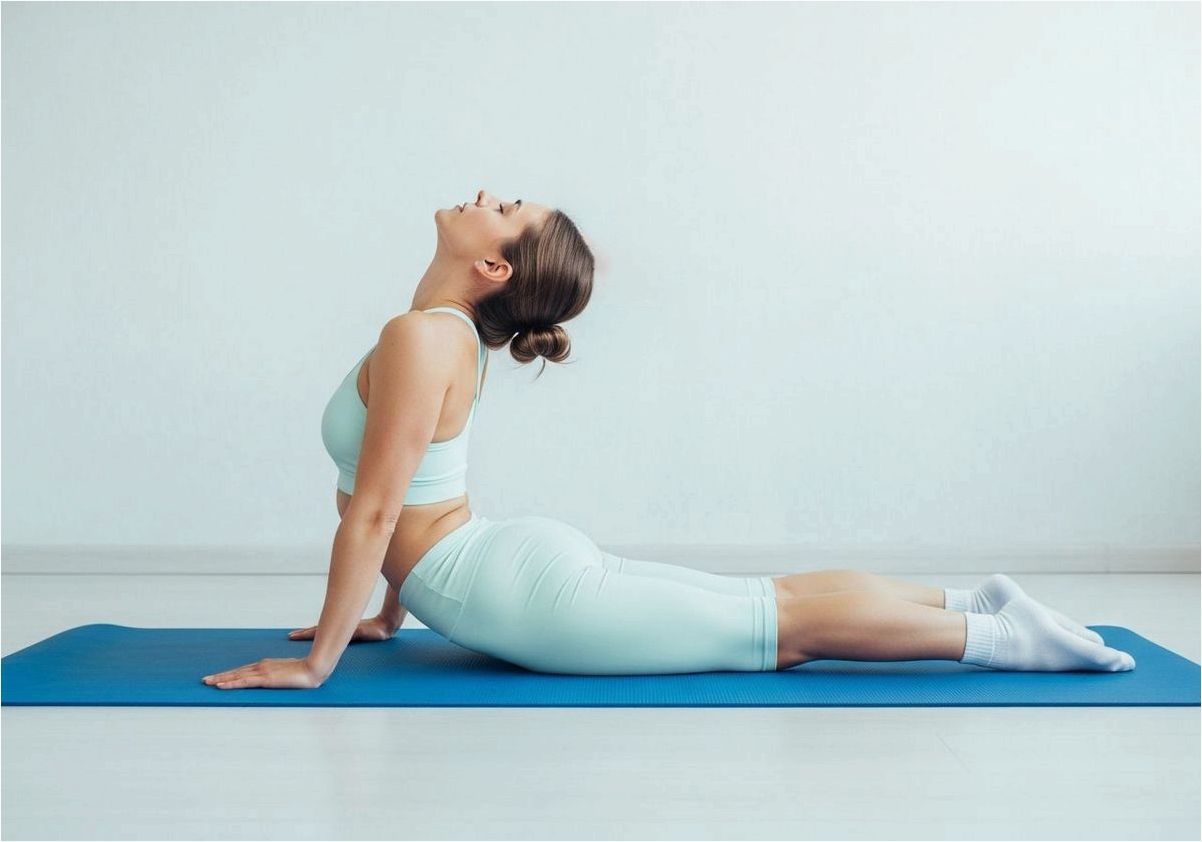
The activities we do every day—working at a computer, cooking, cleaning, watching TV shows, or reading books while lying on the couch—often have a negative impact on the condition of our spine and back. Nevertheless, to live comfortably and fully, it is important to take care of your back health. Akulina Bakhturina, senior trainer at the international network of ballet and stretching studios LEVITA, discusses effective and safe ways to strengthen the spine at home
article contents:
Ups and holding the torso
Lie face down, bend your knees, and press your feet into the floor. If possible, secure your legs under a stable support, such as a sofa, or ask an assistant to help you. Place your hands either behind your head or extend them forward.
Begin by slowly raising your torso: inhale as you lift and hold at the highest point for a few seconds, then exhale as you slowly lower yourself back to the floor. Perform eight repetitions. On the final lift, hold at the top for a little longer, then slowly lower yourself back down. Ideally, perform one or two sets; use your own sensations as a guide.
Ups with torso rotation
The next exercise is similar to the previous one, with the difference being the active engagement of the torso while holding at the top. The starting position and torso lift remain the same, and there are also eight repetitions.
If your arms were extended in the previous exercise, now place them behind your head. Once you’ve reached the top position, gently—without any sudden movements—rotate your torso to the right, then to the left, and smoothly lower yourself to the floor. Breathe correctly: inhale as you lift and rotate, exhale as you return to the starting position. Movements should be smooth and controlled. Do not try to lift your torso higher than your body allows; it is the work of the muscles that is important.
“Port de bras” torso bends
This exercise is performed standing. Stand up straight, placing your feet in first position: heels together, toes turned out to the sides. Keep your body taut, leg muscles tensed, and your hands resting on your waist. Stretch upward from the crown of your head, turning your head to the right.
Start by leaning to the right, keeping your legs and hips still—only your torso should be moving. Imagine that someone is pulling the top of your head to the side. Perform the bends in time with the count: lean smoothly for four counts, then return to an upright position for four counts. Move slowly, feeling the engagement of your core muscles and back. Repeat eight times on each side.
After that, move on to backward bends—they effectively open up the thoracic spine. Your body position remains the same. If possible, perform this exercise in front of a mirror to monitor your torso position. Your goal is to create a slight arch in the upper back, literally just below the shoulder blades, rather than in the lower back. To do this, gently pull your shoulders and upper back back. Count to four as you move backward, and count to four as you return. Repeat 8 to 16 times, changing the direction of your head turn—to the right, then to the left—with each repetition.
Finish the exercise with forward bends. Spread your arms out to the sides, keeping your back straight. As you exhale, slowly bend forward without rounding your back. Lower yourself over four counts to the deepest position possible, then return to the starting position while keeping your back straight. As you bend forward, smoothly bring your arms forward, reaching toward the floor. Move slowly and focus on the muscles working. Don’t try to go too low—choose a comfortable angle where your back stays straight. Do eight repetitions.
Torso swings at a 90-degree angle
The next exercise follows the bends. Maintain the starting position; you can keep your arms extended to the sides, raised upward, or placed on your waist. If you choose the first option, you’ll also work your arm muscles slowly lean forward with a straight back so that a 90-degree angle is formed between your legs and torso. If you cannot keep your back straight in this position, reduce the angle of the lean to suit your abilities.
Once you are in the 90-degree position, begin rocking your torso: on the count of “one,” lift up; on the count of “two,” lower down. The pace should be brisk but allow you to keep your torso straight. Repeat 8 to 16 times.
Thoracic spine stretching
The final, fifth exercise is designed to relax and open up the thoracic spine. Stand facing a flat surface—such as a windowsill, table, or nightstand—place your hands on the surface, and step back while keeping your arms extended. When your elbows are fully extended, begin to slowly lower your torso, as if your chest were sagging downward. Pay close attention to how you feel—if performed correctly, you should not experience any discomfort.
Hold this position for about forty seconds. Then carefully return to the starting position or shift your body weight from your hands to your feet. If you choose the second option, remove your hands from the support and lower your torso toward your feet, relaxing your entire body. Choose the way to finish the exercise that feels most comfortable to you based on how you feel.