Proper cuticle care: basic rules
In order for your hands to always look well-groomed and your manicure to remain perfect, you need to systematically take care of the condition of the cuticle. Is it worth removing it completely or is it better to prefer gentle care? KEGOL specialists will help you decide on the optimal approach!
Contents of the article:
Features of cuticle care
The cuticle is more than just excess skin around the nail. As Mayo Clinic experts explain, it performs an important protective function, protecting the delicate, newly formed layer of keratin at the base of the nail. When the cuticle remains healthy and functional, the nail plates become strong and smooth. Can we say that by cutting the cuticle, we deprive the nail of natural protection? The answer is much more complex.
The cuticle is divided into two parts: “living” and “dead”. Living is a thin film that fits tightly to the nail plate, which acts as a barrier against bacteria and inflammation, protecting the nail bed and nail root (matrix).
To “live” the cuticle retained its protective properties, it should remain elastic and receive constant nutrition. “Dead” the other part is the rough edge of the skin, which should be gotten rid of. Thus, complete care involves removing dead skin and regularly moisturizing and massaging the soft cuticle.
Why do you need to get rid of excess cuticle? Over time, excess skin begins to “stick” to the skin. to the nail and rise with it as it grows. This leads to cuticle tearing, the appearance of hangnails and inflammation, which negatively affects the structure of the nail plate. In addition, an overgrown cuticle slows down the growth of the nail and contributes to the appearance of irregularities and grooves on its surface.
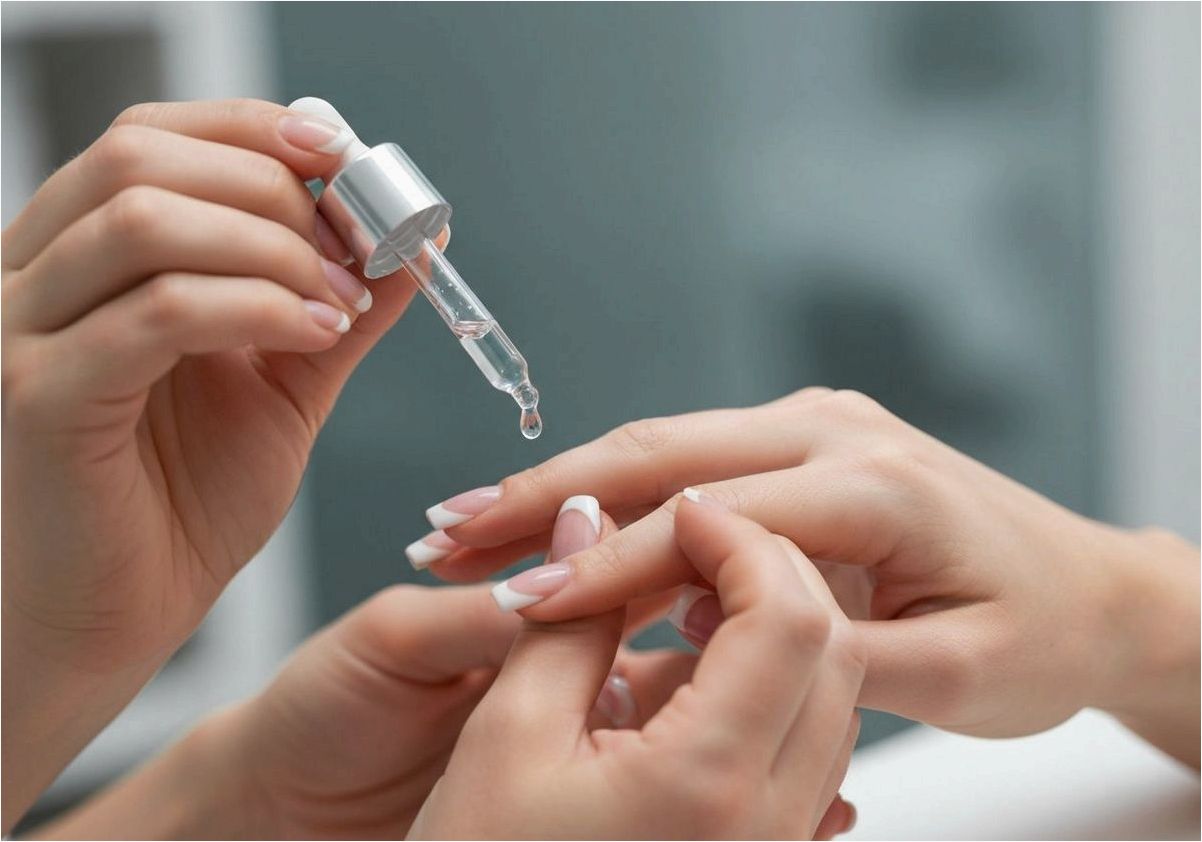
For proper cuticle care, it is recommended to use special products – oils and creams with natural oils (jojoba, almond or grape seed), which nourish and moisturize the skin around the nail, promoting its softness and elasticity. Regular application of such products helps prevent the formation of dry and cracked areas.
When removing dead cuticles, it is best to avoid cutting with sharp tools, as this can cause microtrauma and increases the risk of infections. It is preferable to use an orange stick or special pushers to gently push back the cuticle after softening it in warm water or using special softening compounds.
In addition, it is important to maintain hand and nail hygiene, avoiding constant contact with aggressive detergents without protective gloves. This will help keep the cuticle healthy and prevent inflammation.
If you notice frequent inflammation, soreness, or persistent changes in the cuticle area, it is recommended to consult a dermatologist or nail specialist to rule out infectious or other pathological processes.
The importance of moisturizing the cuticle
Why is moisturizing the cuticle so important? “Regular moisturizing reduces the risk of developing nail plate diseases and helps prevent cracking and splitting,” says Margaret REVITS, MD, of Hackensack University Medical Center.
“The main rule for a beautiful and healthy cuticle is daily care with creams, balms or oils enriched with vitamins. Choose a product according to your taste and preferences,” recommends Anna MENSHOVA, a certified specialist at the Swiss Mavala manicure school.
“Jojoba oil and vitamin E have a healing effect: they prevent the appearance of hangnails and cracks, and also promote the natural movement of the cuticle to the base of the nail,” explains Ian ARNOLD, stylist at Creative Nail Design. To achieve the effect, massage the cuticle of each finger in a circular motion with the thumb of your other hand for one minute, while gently pushing it back.
Cuticle removal methods
Hardware processing. The cuticle is removed using a special device that carefully removes dead cells without damaging living tissue. However, if used unprofessionally, there is a risk of damaging the nail root, so you should contact the experts. The master uses various attachments to treat the side ridges, periungual tissues and the nail surface. In addition, hardware treatment can significantly reduce the procedure time and is well suited for maintaining the shape of the nail without the risk of cuticle ingrowth.
Trim manicure. This method has long been considered controversial and causes a lot of discussion. Its disadvantages are the risk of injury and infection, as well as the accelerated growth of rougher, crack-prone skin. “This happens due to damage to the nail bed and the triggering of the cuticle’s protective mechanisms. To slow down its growth, specialized means are used,” explains Nelly SHILOVA, senior teacher at the Ole House Training Center. However, the trimming method remains relevant for heavily overgrown or damaged cuticles. It is important to strictly maintain the sterility of instruments and thoroughly disinfect hands and surfaces to reduce the risk of infections. After the procedure, it is recommended to use antiseptic and moisturizing products for rapid healing of the skin.
How is the procedure performed? Fingers are steamed in a warm bath with the addition of soap or a special softening agent. Then use a soft orange stick to gently push back the cuticle, after which the rough skin is cut off with tweezers. Upon completion, nourishing oil is applied. It is recommended to perform a manicure in a well-lit area and use a magnifying glass for better visibility, which will help avoid accidental cuts.
Uncut method. If you constantly moisturize and nourish the living part of the cuticle, its delicate structure, then you can easily remove dead skin, without using tweezers.
The cuticle is softened with the help of a remover – a product for removing dead skin particles. “Give preference to products with a minimum content of alkaline substances or fruit acids. They remove only dead skin without damaging healthy areas,” advises Anna Menshova. In addition to fruit acids, removers often contain vitamins E and A, which additionally nourish and restore the skin.
The technique is simple: apply a cuticle softener, wait the time indicated in the instructions, then use a clean orange stick to gently push the cuticle closer to the base of the nail, warns manicurist Cassia of Helena Rubinstein Spa, New York. It is important to perform this procedure only on dry hands. Finally, apply a care product to keep nails and cuticles hydrated. To enhance the effect, care can be supplemented with massage with gentle movements and the use of oils with natural extracts, such as jojoba or almond.
Additional recommendations. For healthy cuticles, it is important to follow daily care: regularly moisturize your hands, avoid harsh detergents without gloves, and carry out cuticle removal procedures in a timely manner. It is also recommended to periodically make nourishing masks and baths with oils and herbal infusions (chamomile, calendula), which accelerate regeneration and strengthen the nail plate. If inflammation or painful changes occur, you should consult a dermatologist or nail specialist.