Three Main Reasons for Weight Gain After Cardio

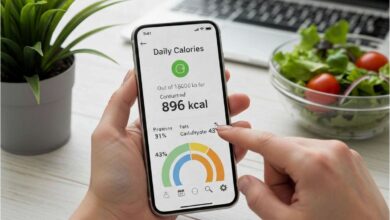
There are three main factors that can cause weight gain despite cardio exercise. First, you may consume more calories than you burn during exercise, especially if you indulge in fast food or sweets, thereby counteracting your efforts. For example, eating a hamburger (approximately 300 kcal) after a half-hour run will give you back all the calories you burned. Second, weight gain can be temporary due to fluid retention: if you actively drink water during exercise and then choose salty foods afterward, you can easily gain up to 2 kg of excess weight. Finally, a third factor can be medical issues, such as thyroid dysfunction. Under these circumstances, exercise may not produce the desired results, in which case it’s worth consulting an endocrinologist.
Contents of the article:
Other common causes of weight gain in those who exercise:
Stopping exercise without adjusting your diet. If you reduce your physical activity but don’t reduce your calorie intake, your weight will likely begin to increase. This is explained by the simple rule of energy balance: energy balance—energy consumed must equal energy expended.
Irregular or improper nutrition. Not snacking after exercise can lead to a sharp drop in blood glucose levels, which causes overeating. As a result, excess fat is stored as fat in the belly and hips.
Excessive consumption of sports supplements. Some isotonic drinks contain a significant amount of calories. They are suitable for those who exercise intensively and expend a lot of energy, but for people with predominantly sedentary jobs, such drinks can contribute to weight gain.
What to do if there are no visible results?
If regular cardio workouts have stopped helping you shed those last unwanted pounds, try the following recommendations.
Variate your exercise routine. Try replacing gym workouts with swimming or vigorous exercise in the fresh air — this new type of exercise will encourage your body to burn stored fat more effectively.
Get adequate sleep — at least 8 hours a night. Lack of sleep hinders weight loss, as it’s difficult to maintain high-performance workouts and recover effectively after exercise.
Take a break. If you exercise too intensely, up to 5 workouts a week, you risk overtraining. The stress on your body in this way hinders weight loss. Take a 7-day break while slightly reducing your calorie intake.
Additional tips for achieving your desired results:
Focus on the quality of your food, not just the quantity. Prioritize foods high in protein, fiber, and healthy fats. They help you feel fuller longer and keep your metabolism high.
Track your progress not only by weight, but also by body measurements and how you feel. Sometimes muscle gains mass, replacing fat, which can cause weight to remain stable or even increase slightly, despite improving fitness.
Pay attention to your stress levels. Chronic stress increases the production of cortisol, a hormone that promotes fat accumulation, especially in the belly. Meditation, breathing exercises, or yoga can help reduce stress and improve workout results.
Regularly change your workout routine. The body quickly adapts to the same type of exercise, which reduces the effectiveness of weight loss. Include interval training (HIIT), strength training, and stretching for comprehensive development.
Maintain hydration. Drinking enough clean water is important not only during activity but throughout the day. This helps speed up your metabolism and reduce hunger.