Three reasons why skin condition worsens in winter
The skin’s primary function is to protect the body. In summer, it helps prevent overheating, and in winter, it protects against hypothermia. Skin is particularly sensitive to cold: there are up to 23 thermoreceptors per square centimeter that react to cold, compared to only three to heat. Constant exposure of exposed skin to subzero temperatures accelerates the aging process. Let’s look at three main factors that worsen skin condition in winter, as well as effective methods for eliminating them:
Article Contents:
1. Dry Air and Moisture Loss
In winter, heating and low humidity cause the skin to lose a large amount of moisture, leading to dryness, flaking, and itching. To maintain moisture balance, it is recommended to use moisturizers with lipids and hyaluronic acid, as well as indoor humidifiers.
2. Exposure to Cold Wind and Frost
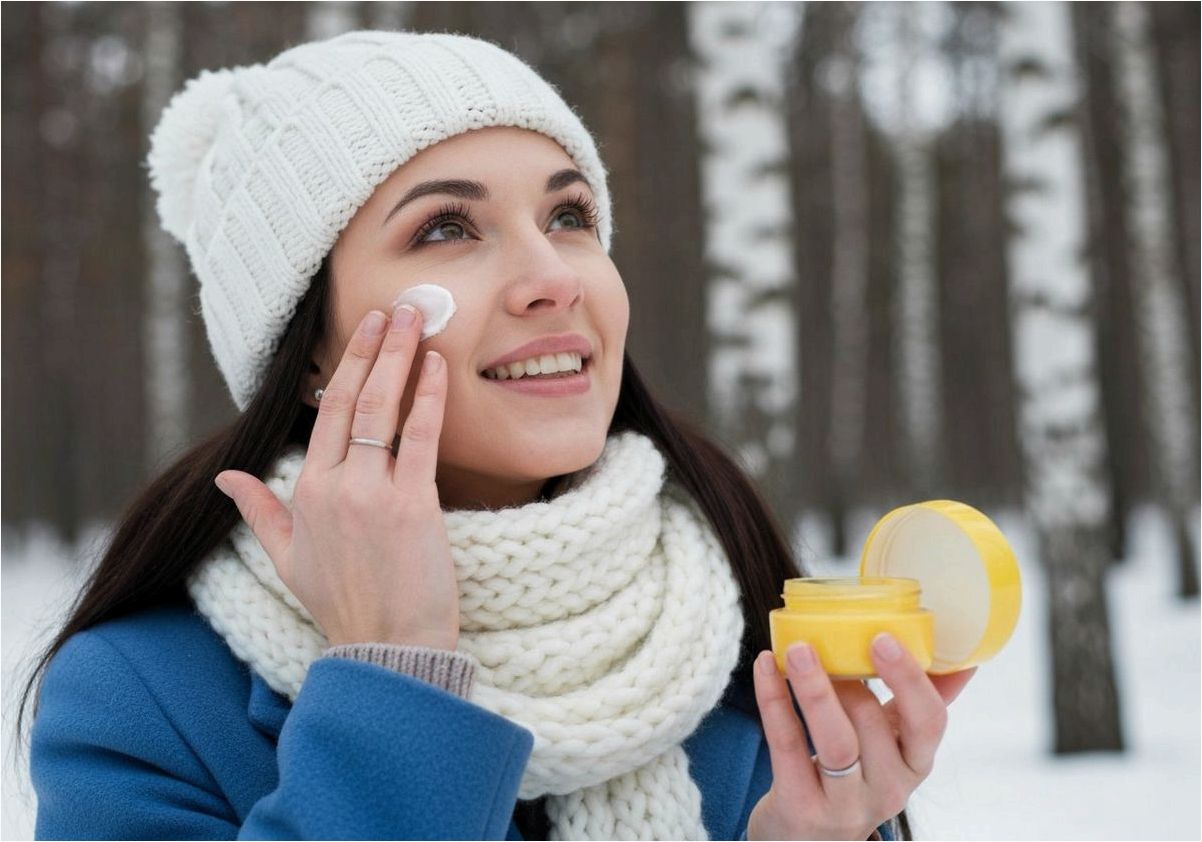
Cold wind damages the skin’s protective oil layer, making it more vulnerable to irritation and redness. Before going outside, it’s important to apply protective creams with barrier properties, petroleum jelly-based ointments, or oils, and wear clothing that covers as much skin as possible.
3. Circulatory Impairment
Cold exposure causes blood vessels to constrict, impairing blood flow and slowing skin regeneration. This leads to a loss of natural radiance and dullness. Regular facial massages, contrast washing, and serums with vitamins C and E will help improve microcirculation and strengthen vascular walls.
In addition to these measures, it’s important to maintain a healthy diet, drink enough water, and avoid prolonged exposure to cold without skin protection. This comprehensive approach will help maintain healthy and beautiful skin during the winter.
1. Dry air caused by heaters and air conditioners
Dry air contributes to skin dehydration, causing a deficiency not only of moisture but also of the protective oil layer. This, in turn, triggers the premature appearance of wrinkles. Using heaters at night can cause facial puffiness in the morning. It is recommended to choose the right skincare products: use thick creams during the day, and opt for light moisturizing serums or gels in the evening.
2. Sudden_temperature_changes_and_cold_outdoor_air
They significantly increase sensitivity even in skin types that are usually tolerant. Cold and temperature fluctuations cause serious damage to blood vessels, often manifesting as a network of small, broken capillaries—a condition known as rosacea. Preventative measures and strengthening products are much more effective than subsequent laser treatment. Consider cosmetics and products containing extracts of horse chestnut, butcher’s broom, and ivy, which help strengthen the vascular wall.
3. Winter Clothing Features
Thick winter clothing contributes to rough skin, hindering cell renewal and their release to the surface. Regular body exfoliation, such as with salt, is recommended. If it’s not possible to exfoliate the entire body, focus on your arms up to the elbows, gently massaging the treated areas with salt. This will activate the lymphatic system and improve circulation. Apply moisturizer after every shower, as a lack of moisture can trigger dermatitis, even if your skin isn’t prone to such problems.
Also, choose clothing made of natural materials such as wool, cotton, or cashmere. Synthetics prevent the skin from “breathing,” increasing sweating and the risk of irritation. Be sure to wear clothing that’s not too tight, as this impedes circulation and can cause further skin irritation. Wearing thermal underwear helps maintain a comfortable body temperature, reducing the need for overly tight outerwear.
Don’t forget to care for the skin of your face and hands, which are especially exposed to cold wind and frost. Use nourishing and protective creams with a barrier effect to prevent dryness and cracking. When going outside in severe frost, it is recommended to apply a special protective balm.
The Role of Nutrition and Hydration in Maintaining Healthy Skin in Winter
Include vegetables and fruits containing vitamins A, C, and E in your diet: carrots, spinach, oranges, and kiwi. They stimulate collagen production and protect cells from the effects of cold and wind.
Drink water regularly, even though you may feel less thirsty in winter. A lack of fluids reduces skin elasticity and contributes to flaking.
Use moisturizers immediately after washing to seal in moisture. Creams with hyaluronic acid or ceramide complexes increase water retention and restore the protective barrier.
Don’t forget to add additional humidifiers to your room. Dry air accelerates moisture loss from the skin’s surface, increasing the risk of irritation and cracking.