Rest Properly: The Benefits of Active Recovery
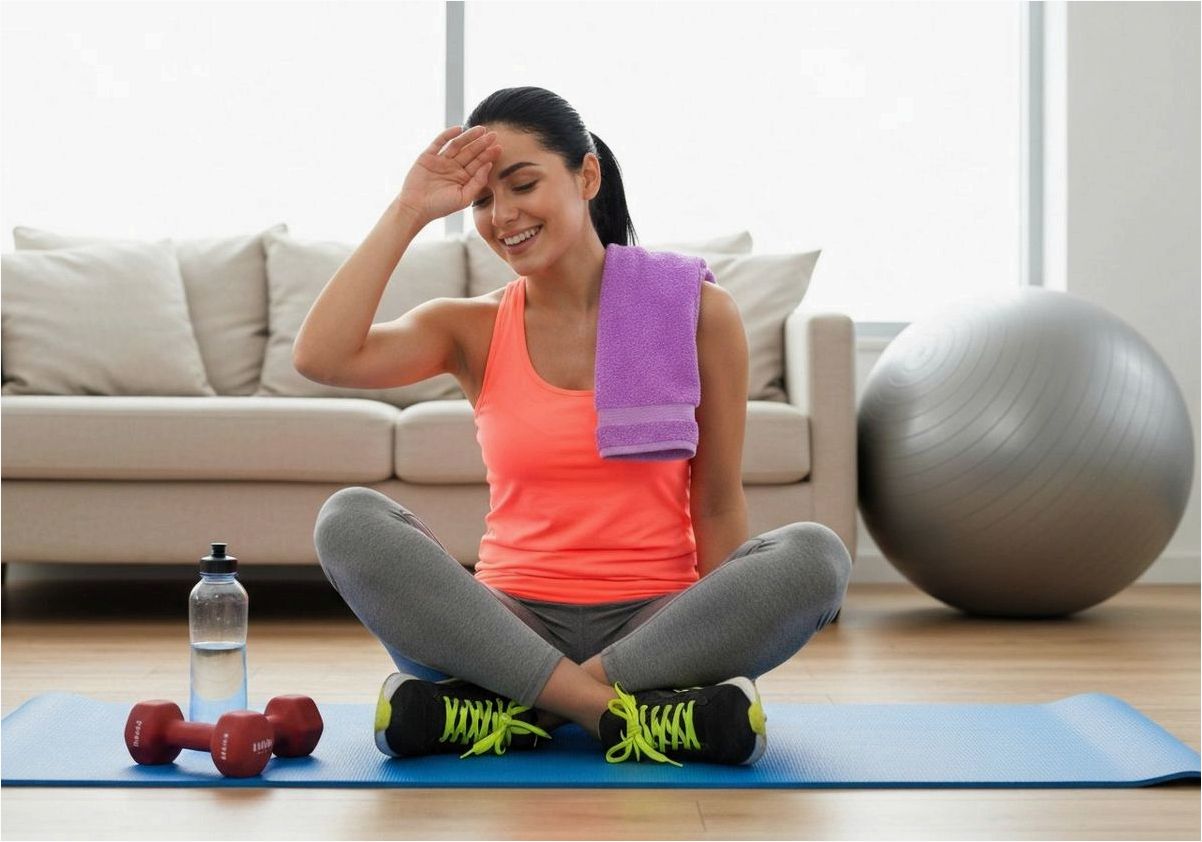
Maintaining activity on rest days improves muscle circulation, which helps remove metabolic waste products, including lactic acid, more effectively, thereby reducing muscle soreness. Recovery training stimulates rapid healing of microscopic damage and promotes muscle growth. “Think of your body as a machine,” explains Katie Anderson, founder of Fly Ldn fitness studio in London. “If you operate it without regular maintenance and monitoring, such as tire pressure, it will deteriorate over time.”
Article Contents:
by periodically replacing regular training or complete rest days with active recovery training, you will not only maintain muscle flexibility but also maintain your usual level of physical activity. As you age, the body’s regeneration processes slow down, making active recovery especially important for maintaining health and fitness. The better you rest, the easier it is to endure your next workout, maintaining proper technique and reducing the risk of injury.
Active recovery is a short, low-impact workout designed to improve blood flow, metabolism, and joint mobility for overall improvement in both physical and mental well-being.
How it works
For most athletes, one active recovery session per week is sufficient. “I recommend incorporating these days about once a week, based on how you feel and the intensity of your workouts,” recommends Christina Chan, personal trainer and brand ambassador for F45 Recovery. “Popular active recovery options include yoga, light jogging, swimming, or a leisurely bike ride. During these sessions, you should be able to talk and breathe freely.”
Alex Parren, running and fitness expert, recommends actively using a jump rope and resistance bands during recovery workouts. “Jumping rope is an easy way to get your heart rate up without putting too much strain on your body, and resistance band exercises gently work your muscles,” notes Parren.
It’s worth incorporating exercises into
stretching to lengthen shortened and tense muscles, which improves their elasticity and increases blood flow. “If you lift weights frequently, your muscles may become tight due to constant stress and fatigue. Your goal is to restore their natural mobility so they can perform at their best the next time, Anderson advises. Try dynamic stretching and self-myofascial massage with a foam roller or massage gun. A 2019 study published in the journal Frontiers in Physiology confirmed that such massage reduces pain after intense interval training (HIIT) In addition, it is important to pay attention to the restoration of the central nervous system. Deep breathing and meditation techniques can help reduce stress levels and improve overall well-being after intense workouts. Regular sessions of breathing practices such as the “4-7-8” technique or pranayama, help normalize heart rate and speed up the regeneration process equally important is proper nutrition and hydration. After training, it is recommended to consume proteins and carbohydrates to restore muscles and replenish glycogen stores. It is also useful to include foods with an anti-inflammatory effect in your diet – for example, berries, nuts, and fish rich in omega-3 fatty acids.
Finally, sleep plays a key role in the recovery process. During deep sleep, active tissue regeneration occurs, growth hormone is produced and cortisol levels decrease. For quality rest, it is recommended to sleep at least 7-8 hours a day and create optimal conditions in the bedroom – silence, darkness and a comfortable temperature.
Brief and clear
Active recovery may not be a separate activity, but rather part of a warm-up or cool-down during a regular workout.
Short and simple
David Nichols, sports physician and training consultant for Wattbike, as well as cycling program manager at Loughborough University, makes the following recommendations:
Incorporating active recovery before or after intense strength training will help you stay alert and strong for the next workout, or speed up recovery after a challenging session.
Choose any type of light activity that you like – calm jogging, yoga or jumping rope.
- The duration of such classes should be short – from 15 to 30 minutes.
- Practical recommendations
- Begin active recovery with light aerobic exercise: walking or swimming for 20-30 minutes improves blood circulation and accelerates the removal of metabolites from muscles.
Practical Recommendations
Use a contrast shower or alternating hot and cold water to stimulate blood circulation. The optimal time is 1 minute for hot and cold water, repeat 3-4 times.
Be sure to get adequate sleep from 7 to 9 hours. Violation of the regime significantly slows down recovery and reduces energy levels.
Drink water regularly to maintain optimal hydration levels. It is recommended to drink approximately 30–35 ml of liquid per kilogram of body weight per day.
Include foods high in protein and antioxidants in your diet – they help tissue repair and reduce inflammation. For example, berries, nuts, fish and lean meat.
Pay attention to your own feelings: if severe fatigue or pain appears, reduce the intensity and duration of active rest.
Use breathing techniques to reduce stress and restore the nervous system. Deep, slow breathing, such as 4-7-8, promotes relaxation and improves sleep quality.
Rest according to the rules: the benefits of active recovery