Supplements for Vegans: What’s Important to Know
Research confirms that a plant-based diet helps reduce the risk of developing cardiovascular disease and type 2 diabetes, and also helps maintain normal blood pressure. However, eliminating animal products from your diet—including dairy and eggs—can lead to deficiencies in a number of vital nutrients. In such cases, dietary supplements become an effective solution to replenish their deficiency.
Contents of the article:
discussions continue about the benefits of different types of diets—vegan and animal-based. The number of people following a plant-based diet is constantly increasing, with the number growing by approximately 300% over the past decade. At the same time, there are many supporters of keto and paleo diets who prefer animal products. Thus, both groups are approximately equal in size. Regardless of your nutritional approach, it is critical to ensure a balanced supply of vitamins and minerals that support the smooth functioning of all body systems.
1. Vitamin B12
Vitamin B12 is an essential element that can only be obtained from food or dietary supplements. It plays a key role in the formation of red blood cells, participates in protein metabolism and maintains the health of the nervous system.
The absorption of B12 depends on many factors, including the individual characteristics of the body. However, with age, the ability to absorb this vitamin decreases in almost all people, so a plant-based diet is not the only cause of its deficiency. However, for those who eat meat, it is much easier to compensate for the deficiency of the vitamin, since its best sources are considered to be animal products – liver, beef, eggs and turkey meat.
The study, published in the American Journal of Clinical Nutrition, involved about 200 people. The results showed that 92% of vegans were deficient in B12, while only 5% of meat eaters were deficient.
A deficiency of vitamin B12 leads to elevated levels of homocysteine, an amino acid that contributes to the development of cardiovascular disease. Scientists have found that high homocysteine levels contribute to the formation of plaque in the arteries, increasing the risk of stroke even at a young age.
Experts from Totorri University (Japan) recommend that vegans include nori, a type of seaweed rich in vitamin B12, as well as iron and polyunsaturated fatty acids, essential for those following a plant-based diet.
2. Omega-3 fatty acids
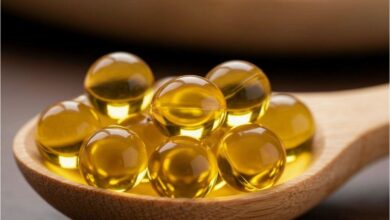
Omega-3s are important essential fatty acids that promote brain health, regulate the immune system, and regulate cardiovascular function. These substances also have a positive effect on the treatment of depression and attention deficit hyperactivity disorder (ADHD).
Omega-3s can only be obtained through food. Plant foods such as walnuts, chia seeds, hemp seeds, and flax seeds contain alpha-linolenic acid (ALA), which the body converts to some extent into the long-chain omega-3 fatty acids eicosapentaenoic acid (EPA) and docosahexaenoic acid (DHA).
However, according to a study by the University of Southampton (UK), the human body’s ability to convert ALA into EPA and DHA is limited. Therefore, seafood remains the primary natural source of these fatty acids.
Researchers at the University of Newcastle (Australia) found that EPA and DHA levels in the blood and tissues of vegetarians are generally lower than those of meat eaters. Despite the lack of official recommendations, scientists recommend doubling ALA intake in the absence of direct sources of EPA and DHA. 3. Vitamin D
3. Vitamin D
The body can produce vitamin D with sufficient exposure to sunlight—approximately 15-20 minutes of daytime sun exposure is required.
However, regular exposure to sunlight isn’t always possible. People living in cool climates and those who constantly cover their skin with clothing are more likely to experience vitamin D deficiency. Furthermore, the use of sunscreens, essential for skin cancer prevention, reduces natural vitamin D production.
Vitamin D intake exclusively from plant-based (fortified) foods often does not reach recommended levels, so it is advisable for vegans to use vitamin supplements.
Vitamin D deficiency can result in increased fatigue, poor mood, decreased immunity and a risk of osteoporosis. It is especially important to monitor the level of this vitamin in older people, pregnant women and young children.
To determine vitamin D deficiency, a blood test for 25(OH)D is recommended – the main marker of vitamin D status in the body. In case of low levels, the doctor may prescribe corrective therapy using vitamin D preparations in the required dosage.
It is important to remember that excessive intake of vitamin D without medical supervision can lead to hypervitaminosis, which is accompanied by kidney dysfunction, soft tissue calcifications and other complications.
ULTRA WOMEN”S, VPLAB is a carefully balanced complex of natural vitamins, minerals and other nutrients, created taking into account female physiology and an active lifestyle. The drug contains over fifty ingredients that support general health, energy metabolism, nervous system function, and also improve the condition of the skin, hair, nails and connective tissues.
4. Iron
4. Iron
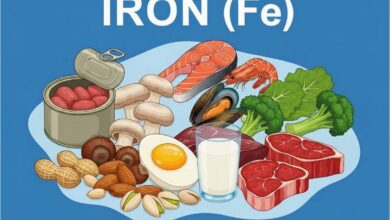
Heme iron is much better absorbed, but a varied, plant-based diet can provide adequate levels of non-heme iron. According to a study from the University of Newcastle (Australia), vegetarians who eat a properly balanced diet are no more likely to suffer from iron deficiency than those who eat meat. A diet rich in whole grains, legumes, nuts and green leafy vegetables, combined with vitamin C and other organic acids, promotes improved absorption of non-heme iron.
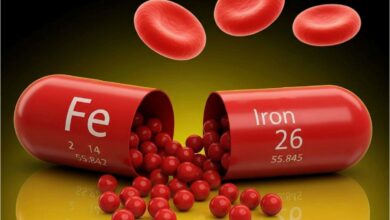
However, doctors note that about one in four people in Europe is diagnosed with anemia, accompanied by headaches, weakness and shortness of breath. This is usually caused by an unbalanced diet. If it is difficult to control the intake of foods with iron, it makes sense to resort to supplements, having first discussed this with your doctor.
5. Calcium
5. Calcium
For a long time it was believed that cow’s milk is the main source of calcium. However, there are also plant-based alternatives with high levels of this mineral – soy milk, tofu, broccoli and leafy vegetables. For example, 120 grams of tofu or a cup of green cabbage contains as much or more calcium than a serving of cow’s milk.
According to Erasmus University College (Belgium), vegans generally have lower calcium levels than omnivores or vegetarians. A meta-analysis of several dozen studies found that vegans have a higher risk of bone fractures. However, provided that the intake of calcium-containing foods is controlled (at least 525 mg per day), this risk is compared with the level in meat eaters.
If plant foods do not provide enough calcium, you may want to consider taking a supplement. Taking vitamin D together helps improve the absorption of the mineral.
6. Zinc
6. Zinc
A 2013 meta-analysis conducted by scientists at the University of Sydney, Australia, included 34 studies, of which 26 compared zinc levels in vegetarians and non-vegetarians. The results showed that people who eat a plant-based diet tend to have lower both intake and blood concentrations of zinc.
Experts recommend that vegans and vegetarians consider foods high in zinc or use mineral supplements in small doses to improve their overall mineral balance.
To increase the absorption of zinc from plant foods, it is useful to use food processing methods that reduce the content of phytates: soaking, sprouting and fermentation (for example, making pickled or fermented foods). Also, combining zinc-containing foods with vitamin C-rich vegetables and fruits helps improve its absorption.
Rich plant sources of zinc include pumpkin seeds, sesame seeds, legumes (lentils, chickpeas), nuts (almonds, cashews) and whole grains. Regular consumption helps to partially compensate for the low bioavailability of zinc from plant foods.
Supplements for Vegans: What’s Important to Know