6 most common ways to deceive tourists
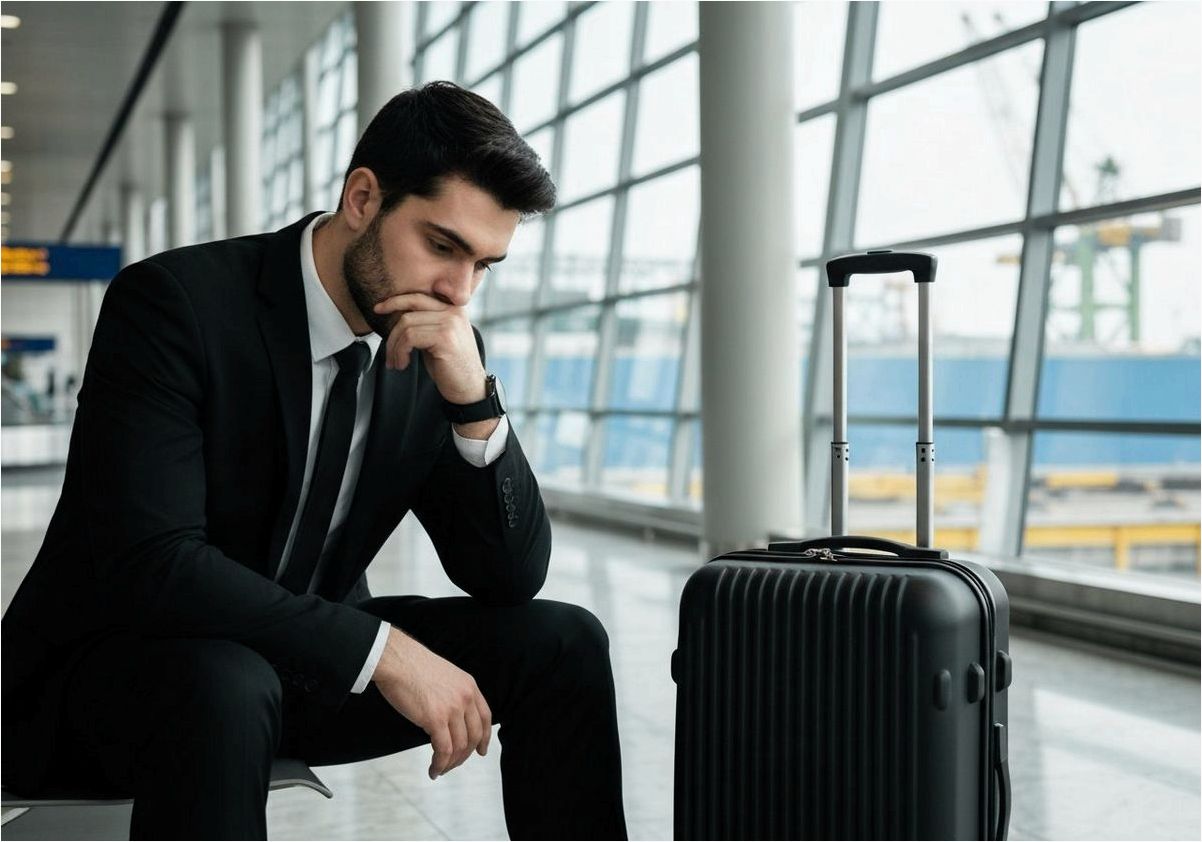
During rest, we are usually relaxed and do not expect any tricks. This is often used by scammers. To avoid unpleasant surprises and maintain a good mood during your vacation, it is important to know about the most common deception techniques aimed at tourists. Travel expert Tariel Gazhienko talks about the 6 most common fraudulent schemes that travelers encounter, and also shares recommendations on how to avoid them.
Contents of the article:
1. False promise of free services
One of the oldest and most popular fraudulent tricks is to offer tourists supposedly free services or goods that actually turn out to be paid. An example would be a free excursion, which ultimately ends in an expensive store, where they will persistently try to convince you to buy something. Another option is to give a bracelet or flowers, and after a little time demand payment for them, citing local customs. To avoid falling for this, be vigilant if the offer seems too lucrative. Remember the saying: “free cheese only comes in a mousetrap.” Always check the price in advance and do not hesitate to refuse in doubtful situations.
2. False taxi drivers and deception when exchanging money
Upon arrival in an unfamiliar city, tourists often encounter taxi drivers who deliberately inflate prices or take long routes to increase the cost of the trip. Another common trick is unfavorable currency exchange offered on the streets or in suspicious places with a terrible exchange rate. For your own safety, use only licensed taxis, order cars through official apps, or ask for assistance from hotel staff. Before boarding, be sure to check the price and make sure the meter is turned on. Change money exclusively at banks or official exchange offices, avoiding street money changers and dubious organizations.
Also, be careful when making payments: fake taxi drivers may refuse to accept cards or try to give you change in counterfeit bills. It’s recommended to carry a small amount of cash in the local currency for fares. When exchanging currency, carefully inspect the bills you receive for signs of counterfeiting, for example, using an ultraviolet flashlight or special markers, if you have them. Keep in mind that counterfeit money changers often offer very attractive rates but hide commissions or use double pricing, so always clarify all the terms and conditions beforehand.
If you feel you’re being scammed, don’t hesitate to refuse the service and contact the police or your embassy for assistance. Good preparation and vigilance will help you avoid unpleasant situations and save money while traveling.
3. Pickpockets
Pickpocketing is a common problem in all major tourist destinations, whether Barcelona, Rio de Janeiro, Bali, or Paris. Pay special attention to train stations, airports, museums, and areas near popular attractions, where pickpockets are especially active. They can operate alone or in groups, distracting you, creating a fuss, or engaging in conversation. To avoid becoming a victim, be extremely vigilant in crowded areas. Keep valuables in inside pockets or bags with secure closures, avoid back pockets for phones and wallets, and be wary of strangers who appear overly friendly.
4. Fake tickets and illegitimate attractions
Scammers often sell counterfeit tickets to various events or museums. These tickets often appear legitimate, but when you try to enter them, you’ll be disappointed to learn they’re invalid. Another dangerous scheme involves setting up fake attractions that offer no real cultural or historical value, but charge an entrance fee. To avoid being scammed, purchase tickets only through official ticket offices or trusted online resources, and avoid visiting unverified destinations that aren’t mentioned in guidebooks or travel reviews.
It is also recommended to carefully study the reviews of other tourists on independent platforms and forums, where you can find warnings about possible scams. When visiting attractions, look for official signage, tickets with unique holograms and, if possible, check the authenticity of tickets at the entrance. If in doubt, do not hesitate to contact museum staff or event organizers to confirm the legitimacy of tickets and tour services.
Remember that scammers often operate in tourist areas with a large flow of people, so avoid buying tickets from street vendors or untrusted intermediaries. Using bank cards when purchasing tickets online also increases security – in case of problems, you can dispute the transaction with the bank.
5. Faulty meters and false accusations of damage
Such manipulations are often found in car and motorcycle rental companies. Fraudsters may deliberately tamper with the mileage meter in order to increase the rent, or accuse the tenant of causing damage that actually does not exist. To protect yourself from such situations, carefully inspect the vehicle before signing the contract, document all damage using photographs and videos. Do not hesitate to photograph every corner of the car, even if company employees express dissatisfaction with the time spent.
Check the serviceability of the meter and carefully study the terms of the lease agreement. If you are presented with unfounded claims, do not agree to pay and, if necessary, contact the police or consult a lawyer.
6. The dangers of free Wi-Fi
Public Wi-Fi networks offered for free in cafes, hotels or airports may pose a threat to the security of your personal data. Fraudsters create fake access points that look no different from the official ones, pushing users to connect. Through such networks, attackers gain access to your personal files and information. To ensure protection, use only trusted Wi-Fi networks, check the security of the connection (for example, HTTPS) and, if possible, connect via a VPN.
Additionally, it is not recommended to perform sensitive operations that require entering passwords or banking information while connected to public Wi-Fi. Disable automatic connection to open networks in your device settings to avoid accidentally connecting to rogue access points. Update software and antivirus on your devices to help protect against known vulnerabilities. It’s also a good idea to use two-factor authentication where possible to increase the security of your accounts.