Weighted vests: correct posture, develop balance and increase training productivity
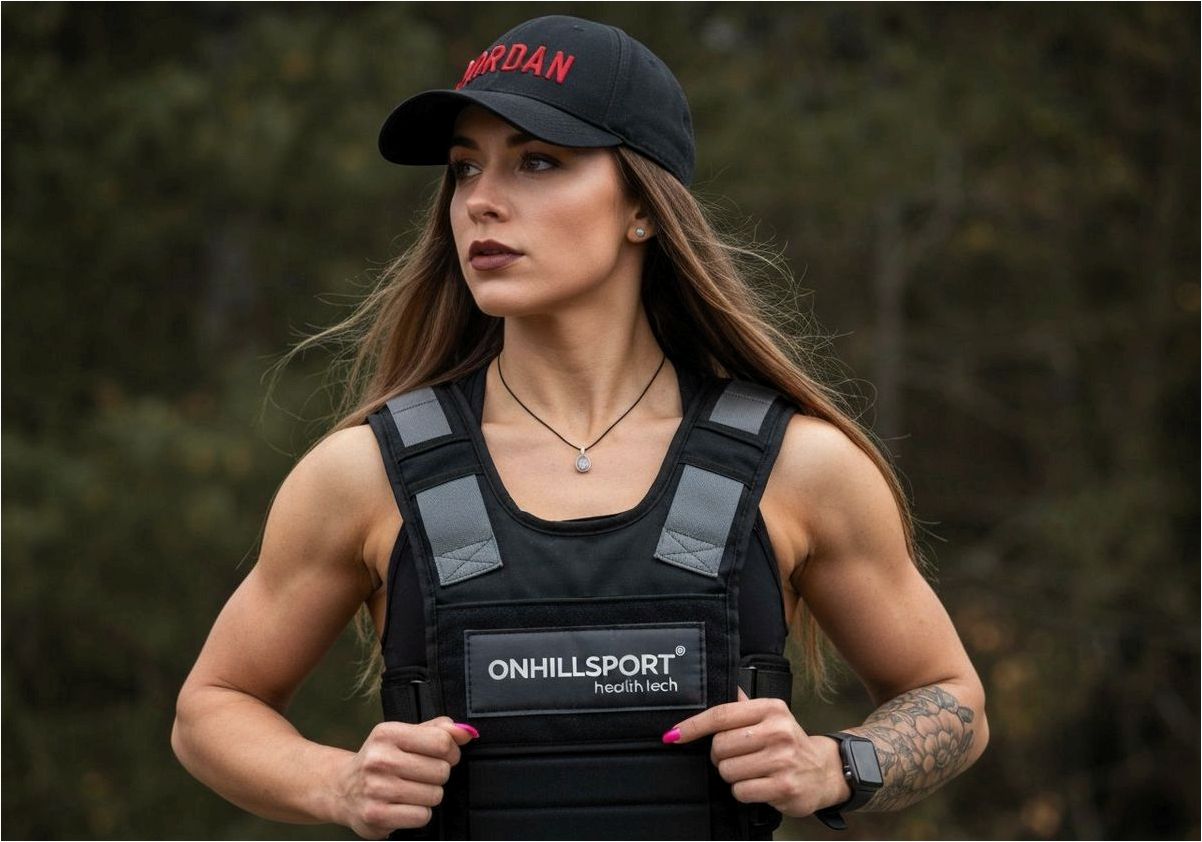
Originally intended only for professional athletes and the military, weighted vests are now gaining popularity among cardio enthusiasts. This simple and accessible method can significantly increase the benefits of daily exercise, helping to strengthen the muscular system, improve balance and maintaining bone health.
Contents of the article:
the vests distribute additional weight evenly across the front and back of the torso, which increases the impact on muscles and bone tissue. In essence, it is similar to wearing a backpack, but with thoughtful ergonomics that minimize the risk of poor posture and injury.
Using a weighted vest helps activate the deep core muscles, which has a positive effect on the correct alignment of the spine and reduces the likelihood of back pain. In addition, when training with a vest, the intensity of the load on the cardiovascular system increases, which helps improve endurance and overall health.
It is important to choose a vest with optimal weight: beginners are recommended to start with light models weighing from 2 to 5 kg, gradually increasing the load as the body gets used to it. Failure to do so may result in fatigue or injury. You should also take into account the quality of the material and the reliability of the fastenings so that the vest fits snugly but does not restrict freedom of movement.
Weighted vests are versatile and suitable for a variety of workouts, from walking and running to strength training and Pilates. Their use helps diversify the training process, makes classes more effective and motivates you to maintain an active lifestyle.
Benefits of using weighted vests
Walking with additional exercise significantly increases your cardio load, forcing your heart and lungs to work harder. The major muscle groups – glutes, quads, hamstrings and core – are much more involved. Such training increases endurance and contributes to the overall strengthening of the body.
- Strengthening bone tissue. As we age, especially in women after menopause, bone density decreases. Weight vests may be an easy way to prevent osteoporosis. According to a study published in the journal Obesity in 2006, wearing a vest weighing up to 20% of your body weight has effects on bones comparable to jogging. Another long-term study in the Journal of Bone and Mineral Research shows that older women who regularly used vests maintained hip bone density, while those who did not use vests experienced significant loss over five years.
- Posture correction and balance improvement. A weighted vest forces the body to adapt to the additional load, which has a beneficial effect on posture. Weight training activates the muscles of the back and shoulder girdle, helping to maintain the correct body position. Research confirms that extra weight helps develop coordination as the body learns to compensate. For those who prefer walking on rough terrain, the vest provides a useful challenge: the stabilizing muscles work harder, which improves adaptation to uneven surfaces.
- Safety and effectiveness. Wearing vests is a safe way to increase the intensity of your workout without the risk of injury. For example, a 2020 study of CrossFit athletes found that vests do not disrupt the natural biomechanical processes of walking. It is recommended to start with a weight that does not exceed 10% of your body weight, especially if you are a beginner. Gradually increasing the load will allow the body to adapt without overexertion. Choose vests with adjustable weights to easily increase your training load.
Who should stop using weighted vests?
Despite the positive effects, there are also contraindications. People with spinal problems – for example, with herniated discs or after back surgery – are advised to refrain from using such vests to avoid worsening the condition. Pregnant women are also advised against adding additional stress to the spine and core muscles. Before starting weight training, it is extremely important to consult a doctor, especially if you have an injury or chronic illness.
Additionally, the use of weighted vests is not recommended for people with cardiovascular disease, high blood pressure, or respiratory problems, as the additional stress can cause complications. Beginners or those who have just begun to engage in physical activity should also be careful: a sharp increase in load can lead to injury. It is important to gradually increase the weight of the vest and pay attention to proper exercise technique to minimize the risk of injury.
Recommendations for introducing a vest into the training process
- Gradual start: Even if you are used to long walks, the first time you use the vest, reduce the duration to allow your body to adapt.
- Weight adjustment: Choose vests with adjustable weights so you can gradually increase the load without the risk of overexertion.
- Enhance Exercises: Once you’ve gotten used to walking with a vest, try incorporating it into your strength training routines, such as squats, lunges, or push-ups.
Weighted Vest Replacement Options
If you’re not ready to invest in a vest right now, there are other ways you can enhance your walking experience: walking up hills or picking up the pace. However, such methods do not always allow the load to be evenly distributed, especially over long distances. The weight vest remains a simple and reliable tool for steadily increasing the intensity of the training process.
Conclusion
Wearing a weighted vest while walking is an affordable, science-backed way to make your workout more effective, improve your posture, and maintain healthy bones. This accessory is especially suitable for those who want to improve the benefits of their walks without complex exercises. The main thing is to be gradual and take into account the personal characteristics of the body.