How to overcome stubborn belly fat
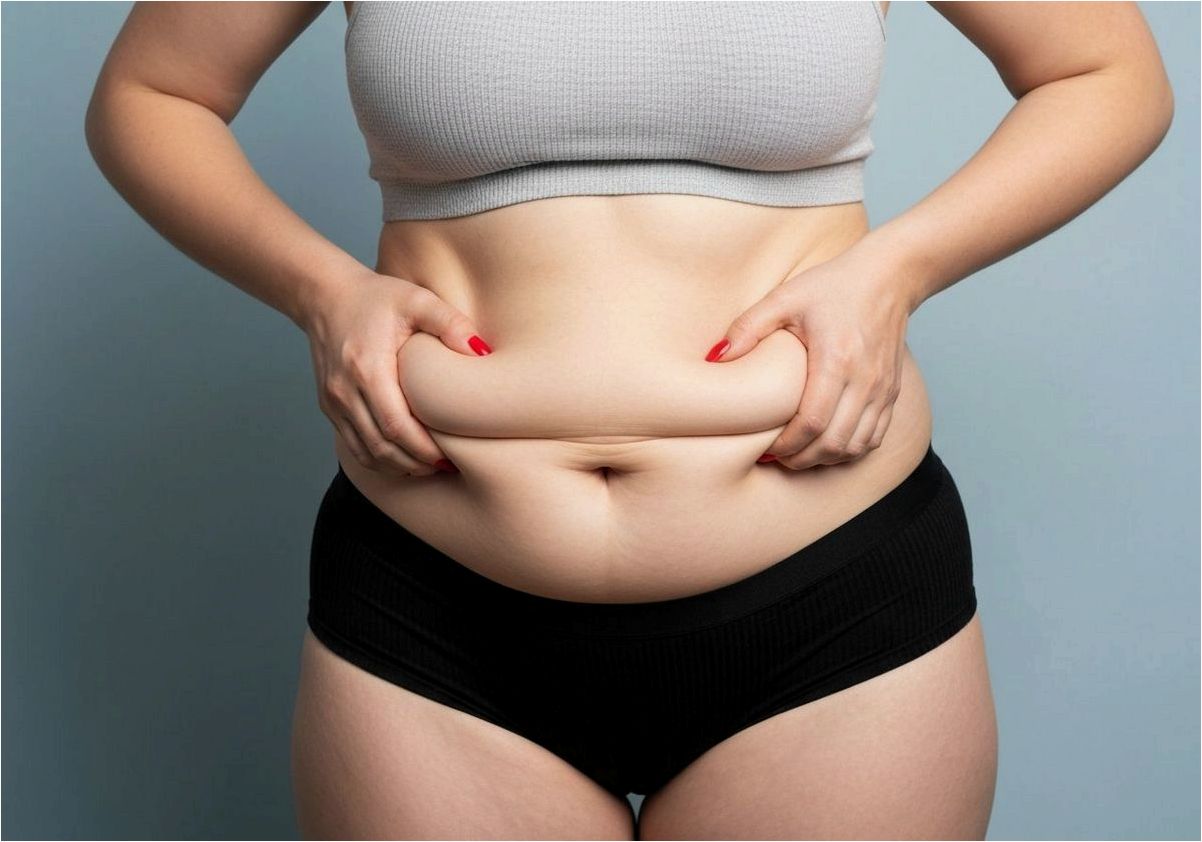
Studies conducted on twins confirm that the amount of belly fat is highly dependent on genetics, and the “apple” body type is more pronounced. is much more common than other body types. Lu Qi, MD, PhD, director of the Tulane University Obesity Research Center, notes, “You can get genes from your mother, your father, or both.” If the hereditary variants come from only one parent, the fight against excess belly fat will be difficult, but not hopeless. However, if you have bad genes on both sides, the problem becomes even more serious, since it is much more difficult to get rid of fat in this area.
Contents of the article:
but the formation of subcutaneous fat is not influenced by just one gene—according to a recent study in the journal Nature, there are as many as 49 such genes!
“Nineteen of these genetic factors affect women predominantly,” says Carey North, a professor of epidemiology at the University of North Carolina. A key player in this process is the hormone cortisol. “Long-term exposure to cortisol can dramatically change your body shape—a rounded waist with thin limbs—even if you don’t have the genetic background for this type,” explains Sean Talbott, MD, author of The Cortisol Connection. The thing is that under the influence of stress, the body releases cortisol, which turns fat reserves into energy, sending it to the organs to help you “save” yourself. from an imaginary threat. Any unused fat will be stored again in adipose tissue, most often in the abdominal area.
Whether you have a natural inclination towards an “apple” figure? or excess belly fat appears due to stress, deposits in the abdominal area can change your eating habits, making it more difficult to lose weight. High fat content in this area can disrupt hunger and satiety signals in the brain, often leading to overeating of high-calorie, fatty foods.
It may seem that the situation is hopeless and it is almost impossible to remove belly fat, but this is far from the case! In a 30-year study of twins published in the International Journal of Obesity, active participants who exercised 30 minutes a day had an average of 8. 4 cm less waist circumference than their inactive siblings. This suggests that exercise is a powerful remedy against genetic predisposition. Many experts believe that changing your workout routine and exercising more intensely can be the key to defeating belly fat. Below are two proven methods that you can implement into your weekly workout routine to combat the problem and achieve a flat, toned stomach.
Practice high-impact interval training
The key is to perform the exercises at high intensity, reaching approximately 80% of maximum output, and focus on specific exercises for the abdominal muscles. “Combining exercises like belt rows with reverse planks, straight arm planks with shoulder touches and side planks, and burpees with high planks are great for combating belly fat,” shares nutritionist Cassandra Forsythe, author of The New Rules of Strength Training for Women. Perform each exercise for 20 seconds (10 seconds each in pairs), rest for 10 seconds, then repeat the cycle 8 to 10 times. “If you use weights, choose a weight that can be lifted for 12 to 15 reps at a fairly fast pace,” adds Forsyth.
Strengthen your core muscles
For a tummy tuck, it is important to train specifically core muscles , and not just abs, at intervals every other day. Instructor Keith Rich, creator of Fit by Kit, recommends: “For an intense, complex workout, try performing the Pilates hundred exercise in combination with a series of five exercises—single leg extension, double leg extension, alternating straight leg extension, simultaneous extension, and scissors—in a sequence without interruption.” This complex engages all the muscles of the core, including the hard-to-reach transverse abdominal muscle, which significantly helps the formation of a beautiful and strong silhouette.
Pay attention to your nutrition. It’s important not only to exercise, but also to eat right – reduce your intake of simple carbohydrates and sugar, and increase your protein and healthy fats. Include foods rich in fiber (vegetables, whole grains, legumes) in your diet, which help improve metabolism and reduce body fat.
Manage your stress levels and get good sleep. Since the hormone cortisol plays a key role in belly fat accumulation, effective stress reduction techniques such as meditation, yoga, and breathing exercises will help normalize its levels. Getting adequate sleep (7-8 hours per night) is equally important, as a lack of sleep also contributes to increased cortisol and a slower metabolism.
Monitor your progress regularly. Use measuring tapes, photos, and notes to track changes in your waist circumference and overall body composition. This will help motivate you and promptly adjust your training and nutrition program. A systematic approach—a combination of exercise, proper nutrition, stress reduction, and sleep—will effectively combat stubborn belly fat and create a healthy, toned body.
The Importance of Sleep and Recovery in Weight Loss
The importance of sleep and recovery during weight loss
Restorative routines, such as stretching or a gentle massage before bed, promote a quick transition into sleep and reduce stress, which reduces cravings for sweets and fatty foods. An optimal sleep and rest schedule boosts metabolism and helps maintain energy throughout the day, making the fight against fat deposits more effective.
How to Fight Stubborn Belly Fat