How often should you get medical checkups without letting it become an obsession?
What does it mean to be truly healthy? How can you take care of your body without slipping into hypochondria and obsessive thoughts? Olga Ni, a psychiatrist from the Ilya Trukhanov Clinic in Kurkino (KIT), shares this question.
Article Contents:
Hypochondria is characterized by excessive anxiety and constant worry about health. This internal tension can manifest itself in a variety of symptoms resembling illness, which forces a person to seek medical attention. If multiple examinations don’t confirm the diagnosis, they turn to other specialists, continuing to search for evidence to support their fears. There are other options: when there are no external complaints, but the person lives in constant fear of getting sick, for example, with cancer. In reality, such worries are a mental state that is difficult for both the person themselves and those around them. Fortunately, timely assistance from a psychotherapist or psychiatrist can help overcome this problem.
Why does the fear of getting sick occur?
Medical science has yet to provide a definitive answer to the question of the causes of hypochondria. However, experience shows that the following circumstances can contribute to this:
- Hereditary predisposition – the presence of psychological disorders or similar illnesses in close relatives;
- Periods of frequent illness in childhood or observing the illness of relatives;
- Cases of severe and prolonged illnesses in family members;
- Experienced violence in the past, which increases vigilance to one’s own sensations and lowers the pain threshold.
Although no objective pathologies have been detected in a hypochondriac, their condition is accompanied by constant discomfort. Constant fear deprives them of joy and dominates their thoughts. Due to their obsession with health, relationships with loved ones deteriorate, sleep is disrupted, which only increases anxiety. Furthermore, significant funds are spent on unnecessary medical procedures. Unnecessary tests and medications lead to malfunctions in the body, which only confirm the patient’s internal fears.
What is meant by “hereditary predisposition”?
This term means that under certain circumstances, genes associated with a particular disease can be activated and trigger the development of the disease. Most often, the “trigger” is a combination of various factors. For example, the following conditions are important for hypochondria:
- Lifestyle – how balanced is the distribution of time for exercise, sleep, and rest, as well as priorities in everyday activities;
- Quality of nutrition;
- Presence of bad habits, such as smoking and drinking alcohol;
- Attitude to what is happening around you – a positive or, conversely, pessimistic perception of events.
Today, it is possible to undergo genetic testing and receive a “genetic passport,” which helps identify potential risks for developing various diseases – both congenital, caused by mutations, and those that manifest themselves throughout life under the influence of the environment, lifestyle, and diet.
Correct course of action in relation to Health
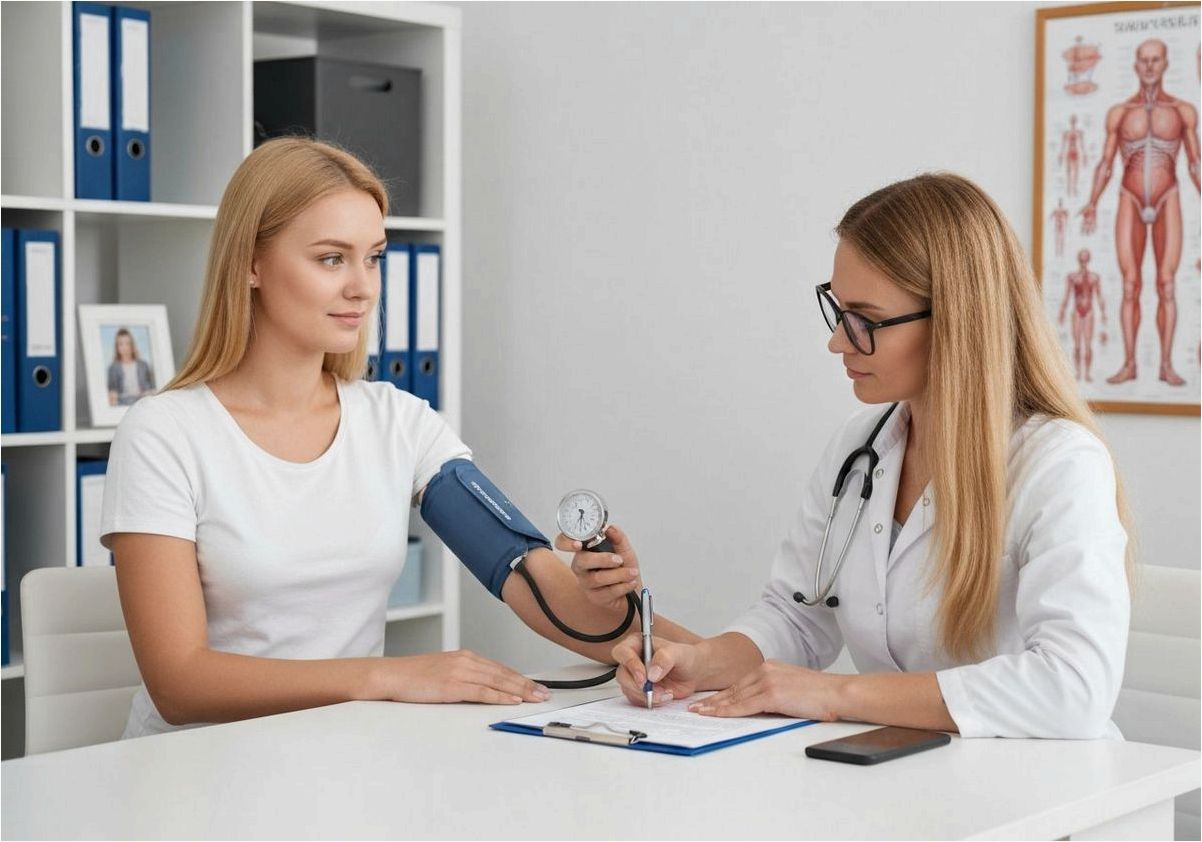
It’s a well-known fact: prevention is better than cure. If you feel well and don’t experience any discomfort, the easiest way to monitor your condition is to undergo regular preventive examinations. It is recommended to have a checkup every three years for people aged 18-39 and annually after age 40.
If you are already aware of your weaknesses, it is important to keep up with scheduled consultations and comprehensive examinations (checkups). Diagnostic programs are developed based on gender, age, and specialized areas (e.g., gynecology, urology, neurology, gastroenterology, endocrinology, cardiology, etc.). Checkups include a range of laboratory tests, instrumental examinations, and consultations with specialized specialists.
Laboratory Tests — Key Health Indicators
- A complete blood count (CBC) with differential and ESR is one of the most basic tests used to identify a variety of pathologies. Abnormalities in these tests indicate potential problems with specific organs and prompt further evaluation.
- Ferritin is an indicator of iron stores in the body. Its deficiency can cause symptoms such as constipation, hair loss, leg pain, dizziness, frequent headaches, and chronic fatigue.
- Vitamins D, B12, and folic acid — their deficiency affects the condition of the skeletal system, hair, nails, affects women’s health, pregnancy, metabolism, and fat burning, and increases the risk of cancer.
- A blood chemistry test includes total protein, albumin, bilirubin, ALT, AST, alkaline phosphatase, GGT, urea, creatinine, cholesterol, and triglycerides — all important markers that help determine the cause of most symptoms.
- Blood glucose and insulin levels — important for the early detection of diabetes mellitus.
- TSH, free T3 and T4, as well as TPO and TG antibodies reflect the health of the thyroid gland—the body’s “little conductor.”
- Homocysteine is an indicator of a folate cycle mutation, which demonstrates a predisposition to cardiovascular disease, thrombosis, and atherosclerosis.
Preventive measures
- A healthy lifestyle, which is gaining popularity, includes regular exercise, a nutritious, balanced diet, adequate rest, quitting bad habits, maintaining personal hygiene, and strengthening the body.
- Timely referral to specialists.
- Developing stress resilience – both through conscious thinking and self-discipline, and with professional support. Also used to improve adaptation to stress are hardware-based breathing exercises (hypoxy-hyperoxytherapy). For example, the Oxyterra device simulates a high-altitude climate, first lowering the oxygen concentration in the inhaled air and then increasing it. Alternating these phases allows the body to adapt to hypoxia—a type of stress that causes a short-term decrease in oxygen levels and builds resilience. This procedure is performed under the supervision of a specialist, who monitors heart rate and oxygen saturation using a pulse oximeter, assessing the body’s readiness for exercise and its progress with each session.