A Precise Strike: Radiculitis
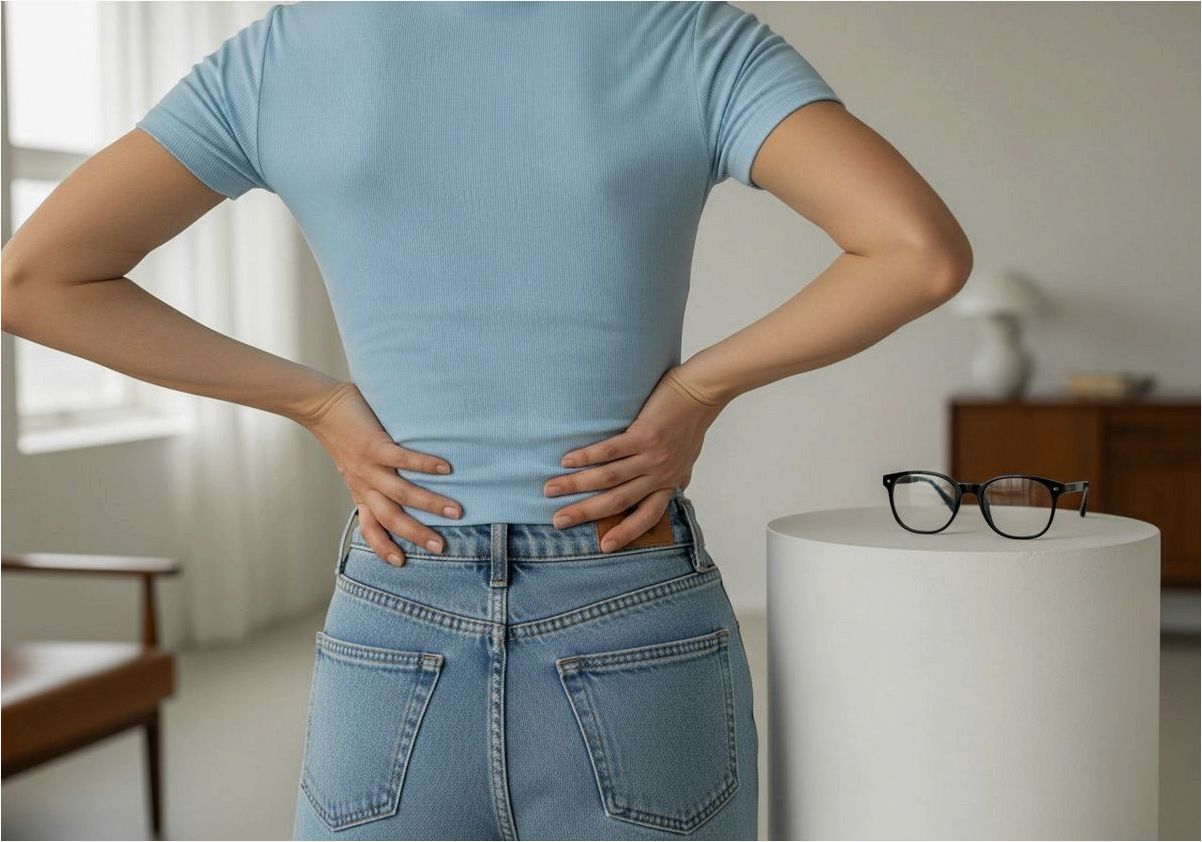
Sciatica, traditionally considered an affliction of the elderly, has become noticeably more common. It’s easily contracted with the first cool spring breeze.
Article Contents:
the desire to quickly get rid of burdensome, multi-layered clothing is understandable, but don’t rush! Radiculitis, previously considered an age-related condition, has become significantly more common. It awaits you precisely when a cool spring breeze blows across your skin.
Sciatica – the Enemy of Workaholics
Just as an experienced graphologist can reveal the psychological profile of an author from their handwriting, a neurologist, by studying the manifestations of radiculitis, can determine the patient’s profession. People who engage in intellectual work and spend a lot of time in front of a computer screen are most likely to suffer from cervical and cervical-brachial radiculitis.
Lumbosacral radiculitis, however, is more common in those who stand on their feet for long periods of time. The first signs of the disease are sudden tingling sensations in the neck, chest, or lower back, similar to pins and needles. When acute pain sets in, any bending or twisting of the torso is especially painful.
Exacerbations of radiculitis are often triggered by hypothermia, which can easily be caught by being in a draft.
Dangerous Twists
The most common type of radiculitis is lumbosacral radiculitis, which literally “twists” the lower back. The pain often radiates to the buttocks, shins, and feet. Patients with cervical-brachial radiculitis suffer from intense pain, sometimes leading to numbness in the extremities, even with a simple head turn.
The condition of patients with cervical radiculitis is no better: headaches and even fainting are added to the pain. Thoracic radiculitis, also known as intercostal neuralgia, is considered the most insidious.
This type of radiculitis is very easy to contract—for example, from an inadvertent misstep or a sudden jerk on a bar at the gym.
Korean Method Minimal risks in the treatment of radiculitis are associated with su-jok therapy, used by manual therapists. The hands (su) and feet (jok) represent miniature projections of the entire body according to this system, the back is located on the back of the hand, where the middle of the hand corresponds to the spine. Communication with the body occurs through biologically active points, to which painful areas send alarm signals via nerve endings.
These points can be detected by touch – they are small lumps, depressions, or areas of pain. For a therapeutic effect, they should be addressed in a specific sequence – the correct “key” will ensure results, while the wrong one will neither improve nor worsen the condition.
Korean Method
Don’t stay in one position for more than 30 minutes – stand up, walk around, or lean back in a chair, relax completely, and take a few deep breaths.
The seat height should match the length of your shins to avoid back strain.
When driving long distances, place a firm bolster behind your back to maintain the natural lumbar curve. Try to distribute the weight evenly across both legs—supporting only one can cause spinal curvature.
Sciatica Prevention
- Maintain your posture: Proper posture while walking, sitting, and working reduces stress on the spine and decreases the risk of radiculitis.
- Perform light exercises and stretches regularly: maintaining muscle flexibility and strengthening the spinal corset help prevent congestion and pinched nerves.
- Avoid sudden movements and heavy lifting, especially without warming up—this is one of the common causes of injuries that can cause radiculitis.
- Pay attention to footwear: comfortable shoes with orthopedic support reduce stress on the spine and reduce the risk of pain.
- Monitor your temperature: avoid hypothermia, especially in the lower back and neck area—wear clothing appropriate for the weather. Massage instead of medication
- Sciatica won’t go away quickly without qualified treatment. Traditional therapy involves bed rest, anti-inflammatory medications, and ointments. Be careful with medications containing venom! Snake venom is contraindicated for people with chronic liver and kidney disease, and ointments containing bee venom can cause severe allergic reactions. To consolidate the effect, physical therapy and therapeutic exercises are prescribed alternative medicine suggests using massage to treat radiculitis. “Choose your massage therapist with extreme caution, as improper techniques can be harmful,” warns Valery Fokin, founder of the classical massage school. “For example, osteochondrosis, which is often a precursor to radiculitis, requires manual therapy. However, during an exacerbation of radiculitis, manual therapy is contraindicated. Only classical massage is permissible, and only in the area located below or above the source of pain.”
- In addition, methods such as acupressure, gentle muscle relaxation techniques, and special breathing exercises are also effective. All procedures should be performed only after consultation with a doctor.
- How to Start the Day Right
- After waking up and remaining in bed, stretch both arms upward, one at a time, as if trying to push something away.
- With your arms extended alongside your body, move your legs back, as if about to do a somersault in the opposite direction.
Massage Instead of Medication
Pay special attention to stretching and strengthening your back muscles—this will reduce the strain on your spine and help prevent recurrence.
Remember to take regular stretching breaks—if your job requires sitting, try to do light movements every 30–40 minutes.
Modern Treatments for Sciatica
To relieve pain and inflammation, use nonsteroidal anti-inflammatory drugs (NSAIDs), such as diclofenac or ibuprofen, strictly following the dosage and course of treatment prescribed by your doctor. They help reduce swelling and improve mobility. Physiotherapy significantly alleviates the condition: electrophoresis with painkillers, magnetic therapy, and ultrasound reduce inflammation and improve microcirculation in the affected tissues. Treatments are usually prescribed in a course of 10-15 sessions Manual therapy and gentle spinal stretching techniques help restore the normal position of the vertebrae and reduce pressure on the nerve roots. It is important to trust an experienced specialist to avoid the risk of injury muscle relaxants help relieve spasms in the lumbar region and legs, improving blood flow and reducing pain. They are used under the supervision of a physician, as they have a systemic effect on the body.
How to Start the Day Right
- Exercises
- selected individually, with a gradual increase in load to prevent relapses.
- For severe cases, a blockade with novocaine or corticosteroid drugs is prescribed, which quickly eliminates pain and reduces inflammation in the nerve structures. This procedure requires hospital monitoring.
- An integrated approach to the treatment of radiculitis increases the chance of long-term remission and improved quality of life A well-aimed blow: radiculitis
Modern Methods of Treating Radiculitis