Hypoglycemia and its effect on weight loss
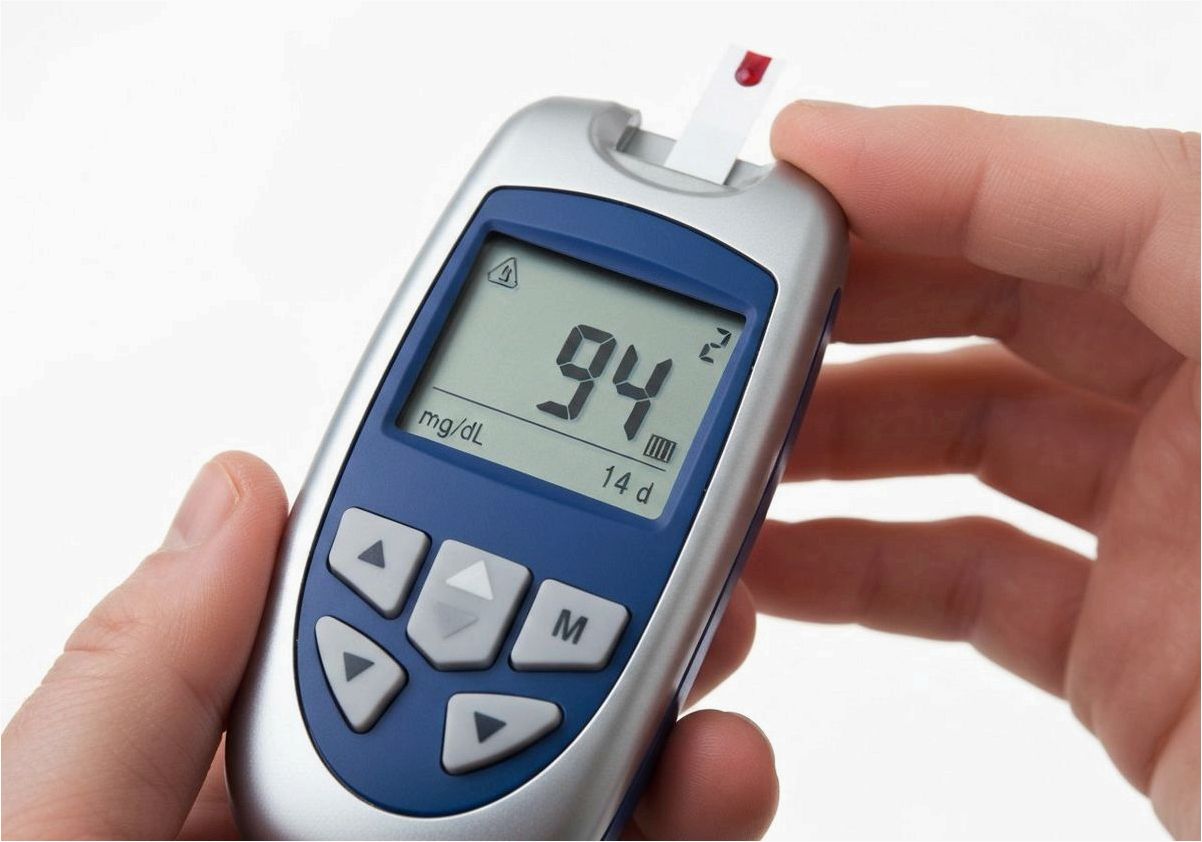
With hypoglycemia, characterized by a sharp drop in blood sugar, there is a need to eat much more often than usual, which complicates the task of losing weight. However, expert advice will help you lose weight safely and effectively!
Contents of the article:
Definition of hypoglycemia
Reactive hypoglycemia is a condition in which blood glucose levels drop sharply several hours after eating carbohydrates found in foods such as grains, fruits, vegetables and yogurt. The reason lies in excessive secretion of insulin or lack of glucagon, the hormone opposite to insulin. As a result, signs of weakness, dizziness and loss of strength appear.
In addition, hypoglycemia may be accompanied by symptoms such as sweating, rapid heartbeat, anxiety, brain fog, and in severe cases, loss of consciousness. It is important to recognize these signs promptly to prevent the development of complications.
Diagnosis of reactive hypoglycemia includes fasting and postprandial blood sugar testing, as well as a glucose tolerance test. Treatment is most often based on diet correction: split meals with low glycemic index foods, exclusion of fast carbohydrates and increased consumption of proteins and fiber are recommended.
If you suspect hypoglycemia, it is important to consult a doctor for a full examination, as such symptoms may be associated with other diseases, including endocrine disorders and metabolic problems.
Hypoglycemia and weight loss: the connection
Insulin is a hormone that helps the body absorb glucose from the blood. If it is produced in excess, sugar levels may drop too low. Glucagon, on the contrary, increases sugar levels by breaking down carbohydrates accumulated in the body. When there is not enough of it, the body lacks a mechanism to stabilize blood sugar when there is an energy deficit, such as during exercise or an irregular diet. This increases the risk of a dangerous drop in sugar.
Recommendations for effective weight loss during hypoglycemia
If you’re concerned about low blood glucose levels and want to lose weight, here are some practical tips to help you achieve results in the most comfortable way.
Important! If you have diabetes or symptoms consistent with hypoglycemia, be sure to consult your doctor. A professional opinion is simply necessary!
Eat every three to four hours
Regular snacks every 3-4 hours will help keep your sugar levels stable. It is important to plan your meals correctly: diets consisting exclusively of fast carbohydrates, for example, a bowl of cereal or pasta with tomato sauce, will cause an increased release of insulin and a subsequent sharp drop in sugar. To avoid such spikes, combine whole grain carbohydrates with proteins and fats – these components are absorbed more slowly and help maintain stable glucose levels. It is not necessary to strictly count calories, it is enough to control portion sizes and balance nutrients.
Be sure to include protein, fat, and fiber in every meal
Regardless of whether it is a full meal or a light snack, the composition of the food is important. Protein and fat slow down the absorption of carbohydrates, and fiber helps stabilize sugar spikes after meals. This is especially important in case of reactive hypoglycemia, when sharp rises and falls in glucose occur immediately after eating. A balanced combination of these components smooths out surges in blood sugar.
In addition to stabilizing sugar, this combination of products gives you a feeling of fullness for a long time. Proteins require more energy to digest, and fats and fiber slow down the process of stomach emptying. As a result, the body burns more calories, and you consume smaller portions – a great assistant on your weight loss journey.
Protein sources include chicken, fish, meat, eggs, tofu, beans, lentils, cheese, Greek yogurt or cottage cheese. Foods rich in fiber include whole grains, vegetables, fruits, beans, lentils, nuts and seeds. From fats, give preference to healthy ones – olive oil, avocados, nuts and seeds. The latter are especially convenient as they contain all three essential ingredients, making them an excellent and nutritious snack.
Choose slow-absorbing carbohydrates
Carbohydrates are important for maintaining normal sugar levels, but the quality of carbohydrates makes all the difference. Foods with a high glycemic index quickly increase glucose levels, which leads to a sharp release of insulin and a subsequent drop in sugar. Slow-digesting carbohydrates avoid these fluctuations and promote better appetite control, making it easier to maintain weight.
If you are considering a low-carbohydrate diet to prevent hypoglycemia, be aware that such restrictions have not been scientifically proven to be effective for reactive hypoglycemia. A certain amount of fat and protein can be converted into glucose, although not as efficiently as carbohydrates. In the event of an attack of hypoglycemia, it is carbohydrates that will provide a rapid improvement in well-being.
Stimulate carbohydrate intake at levels~30 grams per dose
Although a low-carb diet is not recommended for hypoglycemia, regular and moderate intake of carbohydrates will benefit. A study from the Department of Clinical Nutrition at Rijnstate Hospital (Netherlands, 2017) found that six small meals with approximately 30 grams of carbohydrate each helped to significantly reduce the symptoms of hypoglycemia. A balanced intake of carbohydrates with an emphasis on low-glycemic fiber helps maintain stable blood sugar.
By reducing the amount of carbohydrates to 30 grams at a time, replacing their calories with protein – this way the body will receive the necessary amount of energy to work and recover after workouts. Protein and fat have less of an impact on sugar and insulin levels than carbohydrates, so combining, for example, whole grain pasta with chicken and tomato sauce will provide the necessary balance and will allow you to control your weight. This moderate approach helps control your portions and keep you feeling full, which is key to losing weight without feeling hungry.
To put this into perspective, 30 grams of carbohydrates equals approximately 180 grams of blueberries, a medium banana, two small slices of whole-grain bread, or a large sweet potato weighing about 120 grams.
Always have a healthy snack with you
Carry a small serving of raw almonds with you to avoid a sudden blood sugar crash, for example, if a planned lunch is canceled or you can’t eat a full meal after a workout or before an important meeting. Snacking isn’t just a way to maintain your blood sugar levels; it’s a crucial element of successful weight loss. Constant hunger is the biggest enemy of weight loss, and healthy snacks help avoid the temptation to eat unhealthy foods when you’re feeling particularly hungry.
Eat food immediately after exercise
After exercise, it’s important to replenish your energy promptly to prevent a dangerous drop in blood sugar. Simple carbohydrates, such as white rice or potatoes, are acceptable during this time; they will quickly raise your blood sugar. However, be sure to pair them with a small amount of protein for effective muscle recovery. Liquids are absorbed most quickly, so a protein shake with a banana is a great option. After an hour or two, you can have a full meal.
Many people with hypoglycemia and trying to lose weight believe that skipping a meal after a workout will help them maintain their daily calorie intake, but this can lead to overeating later due to intense hunger. That’s why a high-protein snack after a workout can help control your appetite and avoid overeating at your next meal additional tips for maintaining health and losing weight
Additional tips to support health and weight loss
Stay hydrated. Sometimes feelings of fatigue or hunger are mistaken for low blood sugar. Regular water consumption helps prevent dehydration and maintains optimal metabolic processes.
Keep a food and well-being diary. By recording meal times, meal composition, and body reactions, you can better identify individual hypoglycemia triggers and choose the most appropriate diet. This is also useful for tracking progress and maintaining motivation.
Integrate regular moderate-intensity physical activity. Cardio, strength training, and stretching exercises help improve metabolism and blood sugar stability. The key is to plan your exercise to avoid sudden drops in glucose during exercise, including preparatory snacks and recovery meals.
If you have chronic diseases, constantly consult an endocrinologist or nutritionist. An individual approach will help you adjust your diet and lifestyle without harm to your health and with maximum comfort.
Hypoglycemia and its impact on weight loss